
James McLaughlin
Justin McRae
Dr. Homer L. Meade
Colin Meany
This article adheres to the Suicide Reporting Recommendations from the American Association of Suicidology.
Sometimes even warriors need to ask for help.
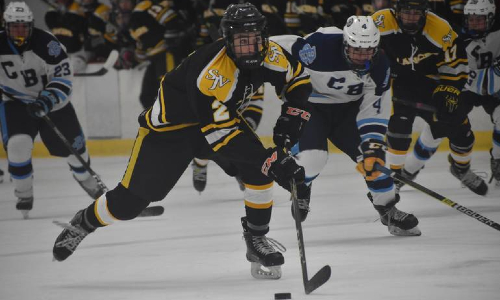
On August 16, 2019, Colin Meany, known as “Patches” to family and close friends, took his own life at the young age of 17 after a two-year battle with significant post-concussion symptoms. It wasn’t until after his tragic death that his family and friends learned the extent of the pain he had been suffering in silence.
Colin was a very popular teenager just a week away from starting his hockey career at the University of Scranton. News of his suicide rocked the Jersey Shore community. Within hours of his death, hundreds of people gathered at a candlelight vigil near his home. Overwhelming emotions of inconsolable grief and shock filled the community. How could Colin Meany, a confident, outgoing student athlete, who always seemed so happy, decide to end a life that seemed so amazing? His own closest friends, who were with him just hours before he died, could not believe what had happened. Later, they began to realize how Colin’s life was deeply impacted by his concussions.
Even the veteran Major Crimes Detectives and other police officers who responded to the Meany home were affected by Colin’s death and discussed how “this one just doesn’t make any sense.”
In a clear and well-thought-out letter to his family and friends, Colin expressed his frustration with his post-concussion symptoms and pain that he fought silently as an athlete. He wrote about his fight with depression and anger for the two years since his concussions. He believed no doctor or medication could help him. He kept those feelings to himself, so others weren’t able to help him find resources for his pain.
Unfortunately, just like so many other athletes, he never fully understood that his painful daily struggles were not uncommon for someone healing from his injuries. Research has shown a link between concussion and suicide risk, with one study finding those who suffer a concussion are twice as likely to take their own lives.
The first concussion
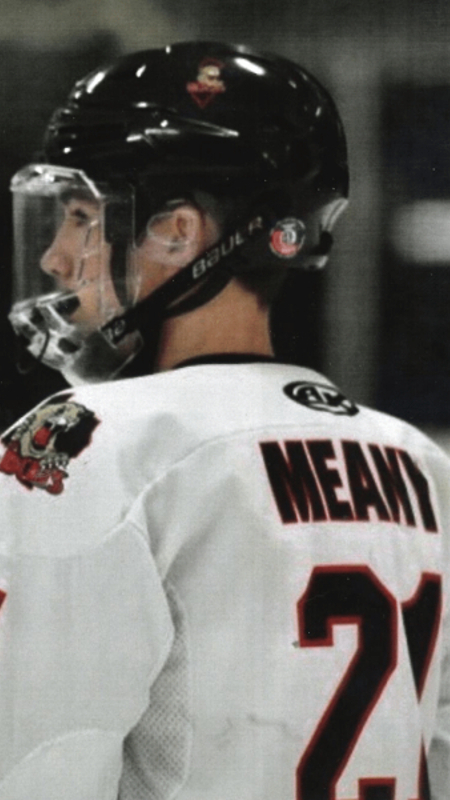
Almost exactly two years earlier, on Labor Day Weekend of 2017, 15-year-old Colin suffered a concussion while playing in a junior hockey game for the Jersey Shore Whalers. Immediately upon speaking with Colin, his father Mike says he knew Colin sustained a significant concussion. During the car ride home Colin told his father it felt like his brain was shaking in his head and he appeared as if he were intoxicated. Without delay, Colin’s parents brought him to a concussion specialist affiliated with a well-known and respected medical center.
During his initial assessment, Colin revealed he sustained what is now believed to be a previous concussion during a game just two weeks before this more severe concussion. When asked by his father why he hadn’t said anything about the prior injury, Colin replied, “I just wanted to keep playing and I knew if I said something I wouldn’t be able to play.”
Approximately three weeks later Colin expressed to his father for the first time in his life thoughts of depression. He texted saying, “This is driving me crazy. I can’t fall asleep, I’m depressed over nothing and it’s just making me mad.”
Colin continued to see the concussion specialist and was medically cleared to return to the ice, which is all he wanted. He once told his older brother Jack he felt his best when he was out on the ice.
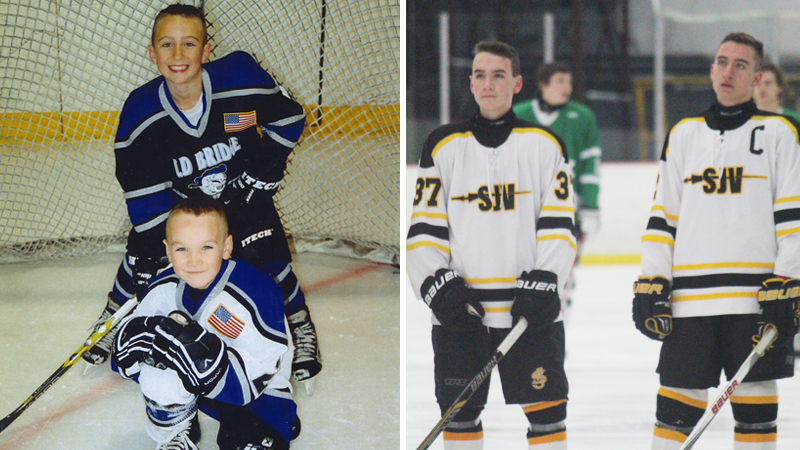
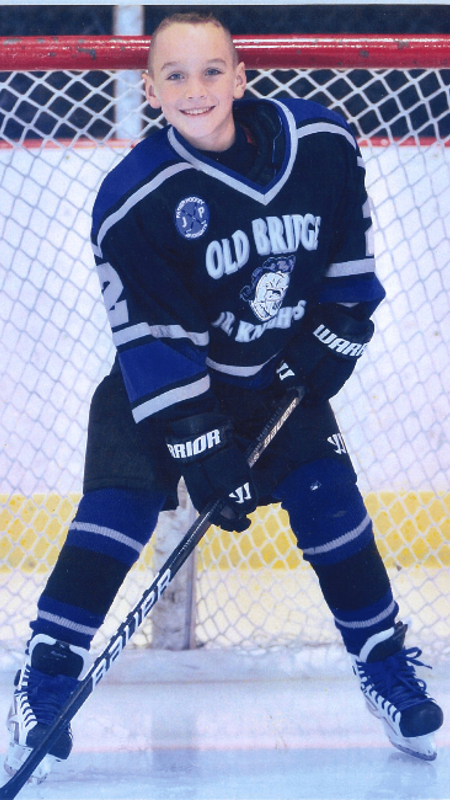
Colin returned to play the sport he was so passionate about. He had been playing ice hockey since he was five years old when he started with the Old Bridge Junior Knights. After finally being cleared to play again, he returned to play for the Jersey Shore Whalers and continued to play with his teammates and friends on both the Jersey Shore Wildcats and his high school team at Saint John Vianney High School.
During that time, Colin’s headaches and inability to sleep continued. His parents brought him to a highly respected neurologist who was known for helping patients, including military combat veterans, with post-concussion symptoms. Colin was prescribed medications for the severe headaches.
By all accounts the brief period of depression had been resolved. When repeatedly asked by his parents and during numerous subsequent doctor visits, Colin always denied having any symptoms of depression. None of his family, many friends, teammates, or coaches would have described Colin as depressed or potentially suicidal.
After his death however, Colin’s friends described that after his concussions, Colin would continuously fall asleep in class and would often leave loud parties early (Colin never wanted to miss a party). He would also sometimes want to leave the beach due to the bright sunlight that would cause him to have severe headaches. But he never complained or asked for help.
According to the National Institute of Mental Health, suicide is a complex public health concern, and there is no single cause. Suicide is often preventable and most often occurs when stressors and health issues converge to create an experience of hopelessness and despair.
After Colin’s death, his parents also learned he was texting himself sports-related motivational reminders. It became apparent he knew he needed help but tried to cope on his own.
The hockey community comes together
Suicide impacts communities in profound ways. The outpouring of love and support from the hockey community after Colin’s death was a true testament to his character. More than 1,000 people including so many young men wearing their hockey team jerseys attended the funeral services for their beloved teammate. The young men all described Colin as a tough, gritty, and loyal teammate who always had their back on the ice and made them laugh on bus rides and in the locker room. Even members of rival teams paid their respects and described Colin as a well-respected opponent.
In such a sad and obvious way, the faces of the young people, just like the faces of so many others who attended Colin’s services, were the same. They all showed overwhelming emotions of grief, fear, and confusion. Once again so many people attending the services said, “this just doesn’t make any sense.” Colin kept his struggles to himself.
“Colin was a tremendous teammate and always played with high energy and tenacity,” said Hugh Donoghue, one of Colin’s youth hockey coaches. “Colin was a skilled goal scorer and always found the back of the net when our team needed it the most. I will forever remember his smile and enthusiasm. We were down a goal or two in a game and he said to me don’t worry coach, we got this. True to form he tied the game up and assisted on the winning goal. Colin was beloved and respected by his teammates and coaches.”
Mick Messemer, the current and long-time head ice hockey coach at Saint John Vianney High School who coached Colin for years, described Colin as “one of the best teammates to ever put on a Lancer uniform, regardless of sport.”
“Colin’s love for his school, program, and teammates both on and off the ice will live on forever,” Messemer said.
He also noted that Colin’s work ethic to be the best player he could be was well respected by the locker room and coaching staff.
Even a long-time Jersey Shore hockey referee felt compelled to talk about Colin. Paul Murray described how he spent many hours on the ice with Colin as a referee.
“I enjoyed them all and had so many conversations in between whistles and face offs,” Murray said. “He was genuine, he was funny, he was tough. He was a great kid on the ice, and I enjoyed every interaction with him.”
The Meany family continued to see an outpouring of love and support.
On October 27, 2019, the University of Scranton Ice Hockey Team played the New Jersey Institute of Technology in a Colin Meany Charity game. At the game, Colin’s parents Mike and Karen Meany and his older brother Jack were presented with the #2 Scranton Royals Jersey.
On November 20, 2019, the New Jersey State Policemen’s Benevolent Association Hockey Team played the Saint John Vianney Alumni Hockey Team in the First Annual Colin Meany Memorial Hockey Game. The game was organized by Dan Tacopino, captain of the PBA team who also coached Colin at Saint John Vianney.
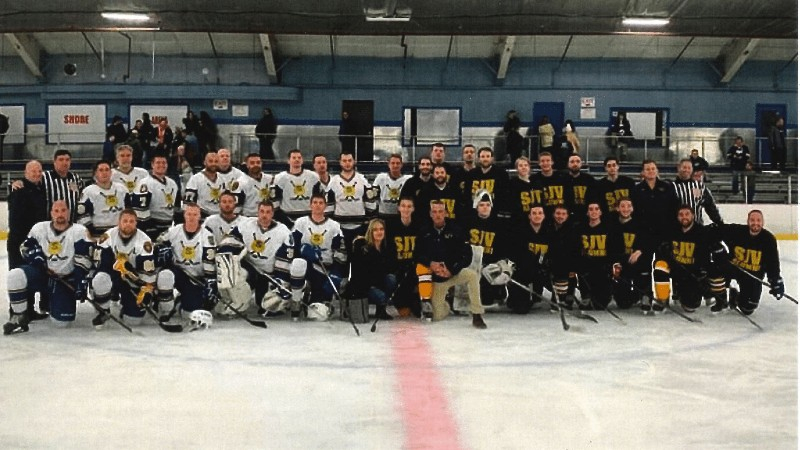
There were more than 600 people in attendance to watch the emotional pregame puck drop ceremony when Colin’s father dropped the puck with the PBA Team captain facing off against Jack Meany.
“Colin Meany is one of those kids that you would want on your team,” Coach Tacopino said. “Every sprint he would want to be the fastest, every drill he would want to come out on top, every shift he would want to score or make a big play, and every game he would want to win. Concussion is a serious topic that cannot be overlooked. The fact that Colin put his health aside to assure the team would be successful will show you his dedication and unselfishness he had toward the game he loved. We as coaches, parents, spectators and friends need to assure the health of our athletes. We know a lot of kids who are competitive in their sport and are willing to keep going after an injury. The brain is not a muscle that can recover like a torn tendon or a bruised muscle. You cannot put a cast on your brain or do a certain exercise to rejuvenate it. The brain is a delicate part of the body that needs to be taken more seriously. Colin was a tough athlete and showed no injury. The only time he showed it was when he took his own life. Missing a practice, missing a shift, missing a game can be the difference to a life altering decision. I was Colin’s coach for four years and he always wanted to be the best to ensure his team would be successful. Colin was the true meaning of grit, strength, toughness and heart.”
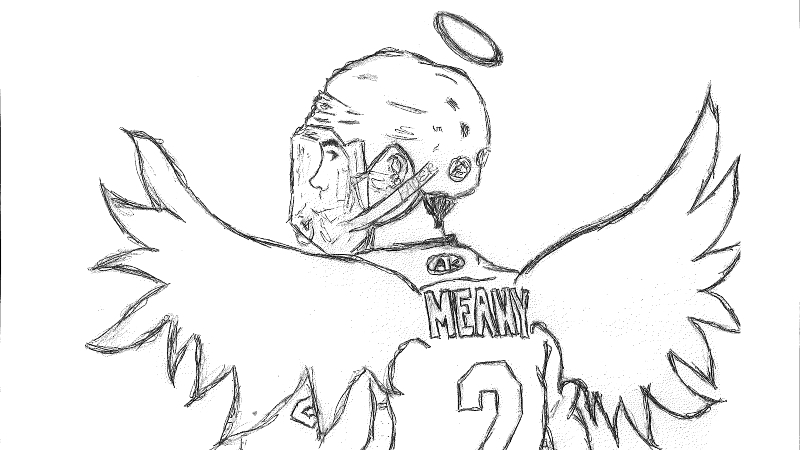
“Meany was a true warrior,” Jersey Shore sports reporter John Christian Hageny wrote about Colin after the memorial game. “A tough, hard-nosed forward who left it all out on the ice… Injured shoulder in final of the Shore Conference Handchen Cup but kept playing for his SJV team… was a real pleasure covering this young man, rest easy Colin.”
The Meany family wants to thank everyone for their love and support since Colin’s passing. They hope no family has to feel their same unthinkable sorrow. They are pleading to those who are courageously and unselfishly fighting through this battle to speak up about their pain. Mike, Karen, Jack, and Colin’s friends, teammates, and coaches have raised tremendous support for the Concussion & CTE Foundation to help prevent future tragedies like Colin’s. We are honored by their generosity after incredible heartbreak and vow to continue to raise awareness, support patients and families, educate the public, and advance research in Colin’s honor. To make a gift to the Concussion & CTE Foundation in Colin’s memory, click here.
Are you or someone you know struggling with lingering concussion symptoms? We support patients and families through the Concussion & CTE Foundation HelpLine, providing personalized help to those struggling with the outcomes of brain injury. Submit your request today and a dedicated member of the Concussion & CTE Foundation team will be happy to assist you.
Suicide is preventable and help is available. If you are concerned that someone in your life may be suicidal, the five #BeThe1To steps are simple actions anyone can take to help someone in crisis. If you are struggling to cope and would like some emotional support, call the Suicide & Crisis Lifeline at 988 to connect with a trained counselor. It’s free, confidential, and available to everyone in the United States. You do not have to be suicidal to call. If you’re not comfortable talking on the phone, consider using the Lifeline Crisis Chat.
In August 2021, Colin’s friends honored him
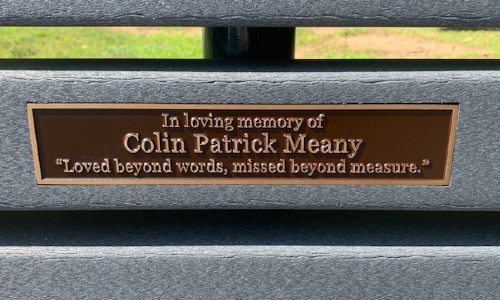 On Sunday, August 8, 2021, many of Colin’s friends and teammates gathered at a basketball court near Colin’s home for a dedication ceremony for a memorial bench in Colin’s name. The basketball court is a place where Colin would often go to work on his agility skills, always striving to be the best hockey player and teammate that he could be.
Erik Metzler
Eugene Merlino
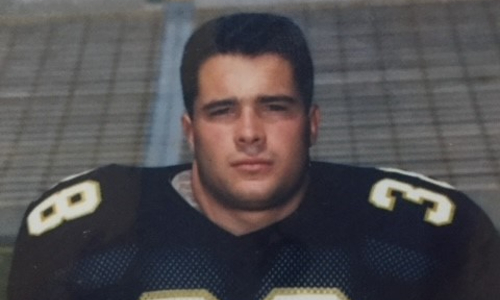
Gene and Kelly Merlino first met in New York City. Gene was charming, generous, good-looking, ambitious, and humorous, all of which initially attracted Kelly to him. The rest, as they say, was history.
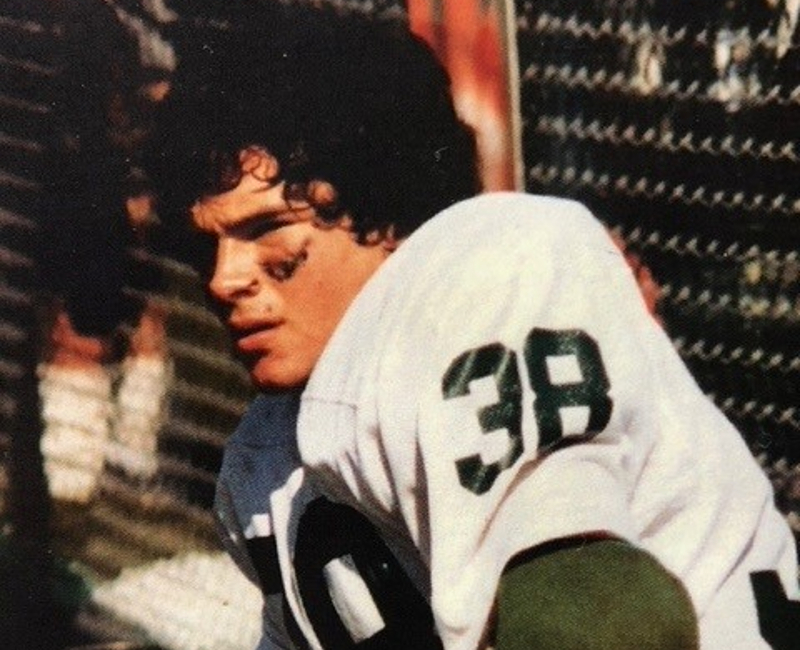
As they grew closer, Kelly learned more about Gene’s beginnings: he was full of life and loved all kinds of sports and being active. On land, he could be found playing football, wrestling, skiing, or riding his dirt bikes and motorcycles. In the water, he enjoyed boating, scuba diving, and water skiing. But his first love was always football. He loved the comradery, being part of a team, and the values it instilled in him. He played the sport starting in third grade, throughout high school, and earned a spot on the Army football team at the U.S. Military Academy at West Point.
The Merlinos dated for a few years before getting married in 1998. They settled down in Mendham, NJ and had three sons: Max, Louis, and Ryder. To Gene, nothing was more important than family. Kelly and the boys were his entire world. They spent the summers up at their lake house in the Adirondacks. They always loved having a house full of family and friends. Gene loved entertaining on their boat and teaching kids to water ski and go tubing. Though everything seemed wonderful in the beginning, Kelly sometimes saw flashes of a different Gene.
Gene had been only a few years removed from football by the time the couple met but was already feeling the aftereffects of the numerous concussions he suffered while on the field.
First were the constant migraines. There was frequent times Gene could barely tolerate any light or sound, so at times he had to stay by himself in a basement, in complete darkness, to find relief. Then there were the nosebleeds; Kelly remembers certain moments when he was profusely just gushing blood everywhere.
Still, on the good days, Gene was an amazing husband, father, and friend. He took great pride in providing a stable life for his wife and kids. He coached Max’s football team and made it a priority to attend his children’s games. He loved being a mentor for the players he coached and teaching them about the philosophy of a team sport, which he fully believed could be applied to many aspects of daily life. But eventually, the number of good days started to disappear. Gene experienced periods of brain fog where he could not think straight, organize his thoughts, or recall memories, even if they had occurred recently.
Kelly kept a journal to help herself cope with the changes in Gene. The journals in turn helped to track Gene’s symptoms and the changes in his personality. She didn’t realize until reflecting on the entries how severe the personality and behavioral changes were and how quickly they were happening. Looking back on her entries now, she says her days mostly revolved around trying to help her husband and keep her family safe while her life became entirely consumed by chaos.
“It was terrifying and difficult to process for the entire family,” said Kelly. “We struggled with the question, ‘How does someone you love change before your eyes with no explanation?’”
As Gene entered his 40s, his personality shifted drastically. Each new day brought a waiting game to see how he would act. The majority of the time, Gene’s mood dominated the energy in the home which inevitably trickled down to Kelly and the children. He was unpredictable and could be fine one moment, but moody or frightening the next. Impulsiveness and rage were part of the new normal. The once social Gene became withdrawn, self-destructive, paranoid, overly negative, and not present. He struggled to follow conversations and would get easily frustrated. Work became more and more difficult due to the deteriorating of his executive functioning skills. He struggled with organizing, following directions, and would lose large gaps of time. Sleep became elusive and he’d stay up all night with his mind racing. He could snap at anyone on a whim, from family to strangers.
“Towards the end of his life it was like he was a shell of the man he used to be,” said Kelly. “He would constantly tell us that he was a burden to us all and we would be better off without him.”
In 2013, Gene was featured on a GQ docuseries called Casualties of the Gridiron, which looked at the impact of concussions on football players. Cameras documented his difficulties, Kelly’s experience as a caregiver, and their journey finding help and answers for Gene.
“I have this, I call it sponge head or fog head. It just doesn’t go away,” described Gene of his struggles in one clip. “I wake up every morning and I open my eyes and there it is again. It starts to become so overwhelming.”
Gene continued to battle symptoms in his early-mid 40s before passing away on July 9, 2021 at the age of 55.
Back in 2012, Gene had gone by himself to Boston without telling anyone, wanting to donate his brain to research. He knew he had all the symptoms of CTE and suspected he might have the disease. When Gene returned home, he gave Kelly the official paperwork and let her know he wanted to donate his brain when he passed. After his passing, she fulfilled his wish and his brain was studied at the UNITE Brain Bank, where researchers diagnosed Gene with stage 2 (of 4) CTE.
Upon hearing the results, Kelly, her sons, and family felt relief knowing their suspicions were confirmed. They now had an explanation for why he morphed into a completely different person.
Kelly is sharing her husband’s story to help raise awareness around CTE. For too long, Kelly and her sons felt as if they needed to keep Gene’s behavioral changes a secret which needed to be kept to protect Gene. There was very little help for Gene, for her, or their children. She wants other families to know they are not alone. There are resources available, such as the Concussion & CTE Foundation HelpLine, which can provide personalized support and guidance to anyone struggling from a brain injury.
Her biggest piece of advice to other families and caregivers?
“When they tell you what they’re feeling and experiencing, please believe them, and support them as best as you are able to,” said Kelly.
Julian Merlino
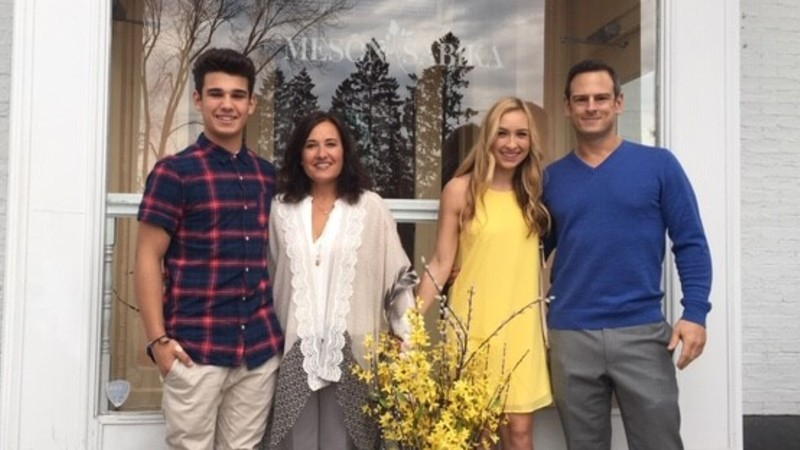
Julian Alexander Merlino loved dancing hip hop from the time that he was 5 years old. As a young boy, Julian was diagnosed with depression and anxiety, which made him feel shy and insecure. Whenever he danced hip hop on stage, his fears would disappear. Little did he know, his years of dancing hip hop would be a great transition into playing football. Julian began to play football in the 7th grade.
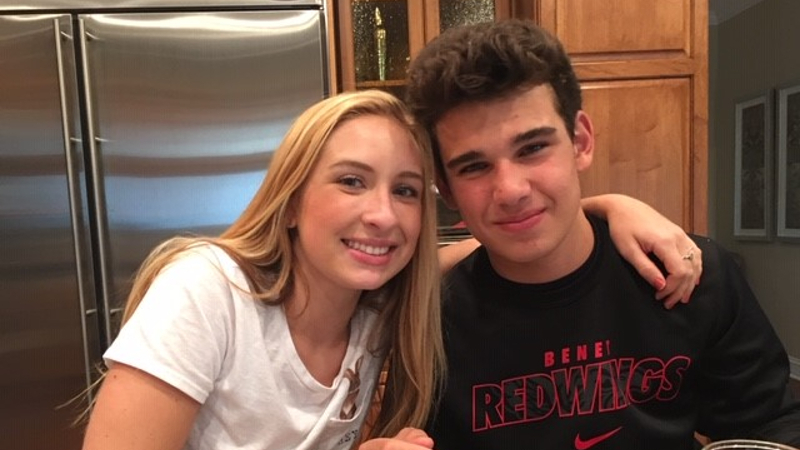
Unfortunately, during the first game, he took a helmet-to-helmet hit and was concussed. He was out for several games and missed numerous days of school.
In 8th grade, Julian suffered another concussion. This one kept him out for two weeks and the remainder of the season.
He played for almost two more seasons as a running back — #26. Julian was a beast on the field. During his freshman and sophomore years playing football, Julian never complained of concussions, probably because he knew that if he was concussed one more time he’d be out of football for good. However, Julian’s friends would notice that he was visibly shaken and unwell after games.
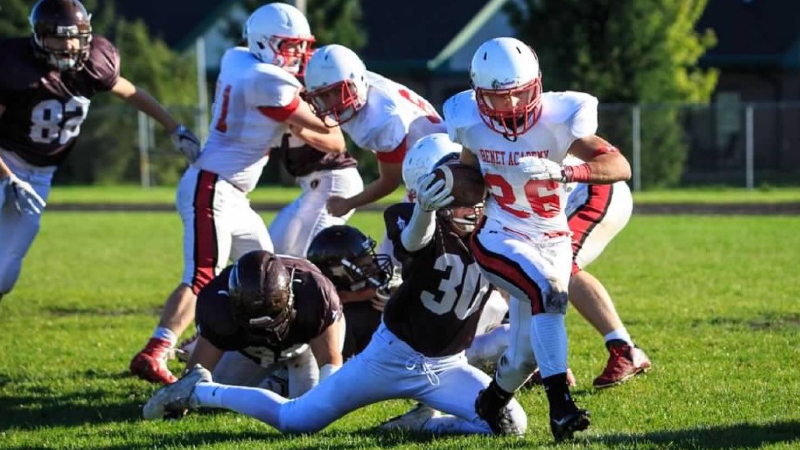
During his sophomore season, Julian began to miss football practices and school. He began losing interest in his greatest passion. His behavior became aggressive and he was irritable. Two months later, on December 30, 2017, Julian took his life at age 15.
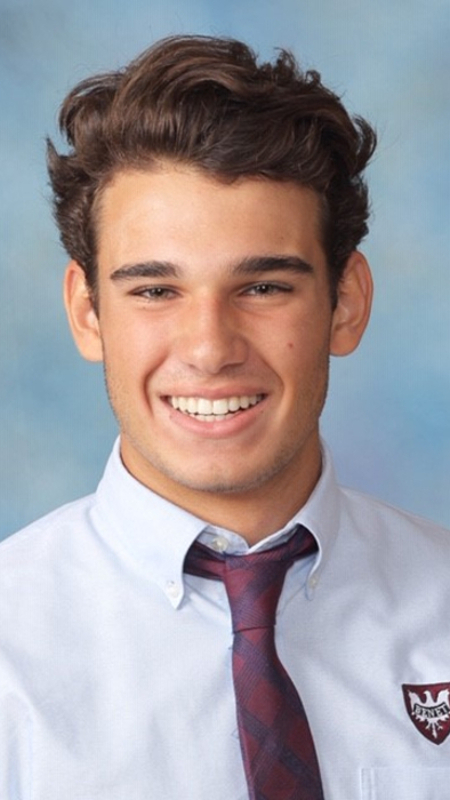
Julian loved spending time with his family, girlfriend, and friends. He enjoyed discovering the newest hip hop music. When he wasn’t in his hometown during the school year and playing football, he enjoyed endless summer days boating and surfing on the lake with friends. He was a jokester and prankster. Julian is missed terribly by his family and friends.
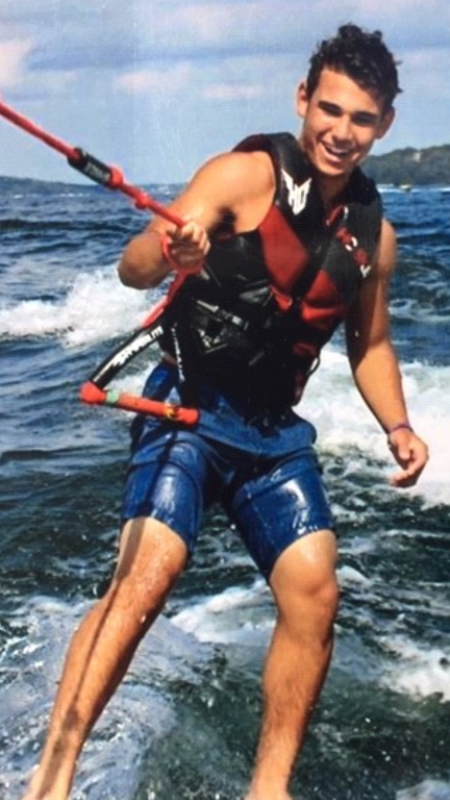
In search of some answers and to help others, Julian’s family donated his brain to the UNITE Brain Bank. Julian was the youngest brain donor in the history of the Brain Bank.
A message of hope from Julian’s parents and sister:
We want anyone reading this who may be feeling chronic debilitating pain, desperate, lonely, or depressed to know that things will get better! Don’t let your struggles define you! Reach out to a friend, family member or coworker. You are loved! With help and support you will feel well again. You are not alone! Don’t give up hope!
Julian’s mom, Elsa, is a mental illness and suicide support advocate for families who have lost a child or family member to suicide. Elsa personally writes letters of hope to others who have suffered the unimaginable. It’s a simple gesture to let these moms know they are not alone. When suffering from suicide grief, it means the world to these moms and family members that they are not alone.
Suicide is preventable and help is available. If you are concerned that someone in your life may be suicidal, the five #BeThe1To steps are simple actions anyone can take to help someone in crisis. If you are struggling to cope and would like some emotional support, call the 988 Lifeline at 988 to connect with a trained counselor. It’s free, confidential, and available to everyone in the United States. You do not have to be suicidal to call. If you’re not comfortable talking on the phone, consider using the Lifeline Crisis Chat at www.crisischat.org.
If you or someone you know is struggling with lingering concussion symptoms, ask for help through the Concussion & CTE Foundation HelpLine. We provide personalized help to those struggling with the outcomes of brain injury. Submit your request today and a dedicated member of the Concussion & CTE Foundation team will be happy to assist you.
The Merlino family would also like to bring awareness to the Depression and Bipolar Support Alliance (DBSA). The vision of the DBSA is for wellness for people living with mood disorders (depression and bipolar disorder). Their mission is to provide hope, help, support, and education to improve the lives of people who have mood disorders.
Stan Mikita
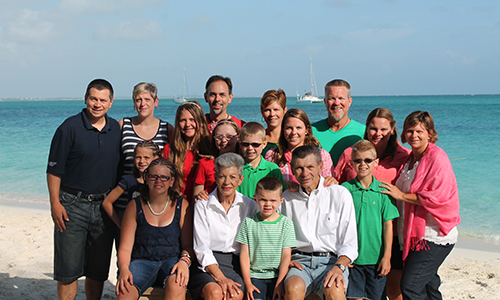
It is important to understand the manner in which our father lived his life: his compassion for others, his ability to meet a stranger and make a friend, and his devotion to family and friends defined him. Our father was born in Sokolce in 1940, then a part of communist Czechoslovakia. At the age of 8, his aunt and uncle visited to ask if they could adopt Stan and raise him in Canada. Stan’s mother, Amelia, and father, George, refused. Then came the miscommunication that would change the course of Stan’s life: the hungry 8-year-old came in to ask for a snack. When Stan was sent back to bed without his snack, he cried. His parents thought he was upset because he wanted to live in Canada, so they changed their minds and let him go. That small moment set in motion a series of events that greatly impacted our dad’s life.
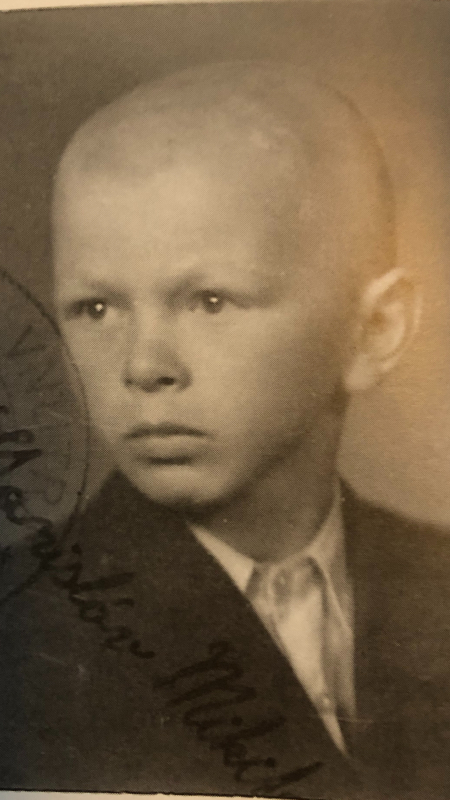
When he arrived in Canada, Stan did not speak the language. He looked different than the other kids and he was not with his “real” family. Even though he was 8 years old, he was placed in a Kindergarten classroom due to his lack of English language skills. He was bullied, he was called a DP (displaced person, a great insult), he had no friends, and in his mind, he didn’t have his family.
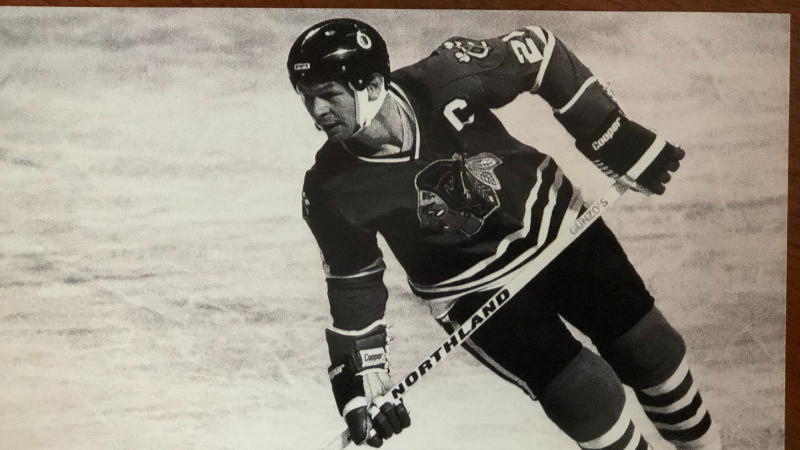
In the midst of that great loneliness, he found the game of hockey, which would go on to become a great joy of his life. While our dad’s professional hockey accomplishments were many, we are most proud of his legacy of giving back and caring for others.
Those early moments upon his arrival in Canada made a lasting and profound mark on our dad. He learned what it was like to be alone in a world full of people, and how to reach out to others who felt that way. Our dad was a husband, father, and grandfather who fiercely loved his family above all else. A friend who would always lend a hand and never missed an opportunity to pull a prank. A kid from Czechoslovakia who never forgot the sacrifices his parents made, his feelings of being different and left out or his humble beginnings. A selfless Chicagoan who felt a duty to give back. A human who saw other people with differences as simply that – people.
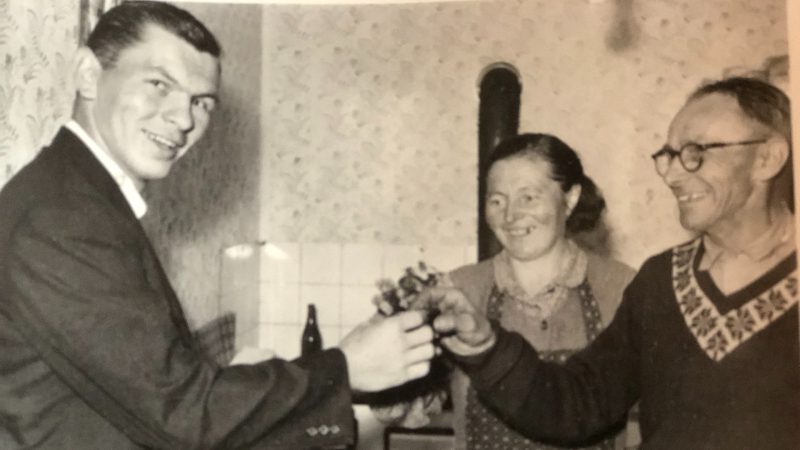
As a father, he taught us by example about acceptance, compassion and patience, often reminding us that it doesn’t cost anything to be nice to people. He stressed that everyone is equally worthy of respect and kindness; that people are more alike than they are different. Our dad would ask us if we wanted to go to a track meet or a visit a hospital with him. He never qualified these outings as doing charity work or made note that some of the participants would be mentally, physically or medically challenged. We were just going to cheer some people on. We accompanied him to be “huggers” at the Special Olympics when he helped start the program in Chicago. When our dad and Uncle Irv founded AHIHA (American Hearing Impaired Hockey Association) in 1973, we were all involved from the beginning, helping any way we could. AHIHA is still going strong, fielding the US Deaf Olympic Team. The next generation of Mikitas, the grandchildren, continue to support the program by volunteering on and off the ice. Many of our good friends are AHIHA families. On Thanksgiving we would go to Larabida Children’s Hospital to play and have lunch with the kids and their families.
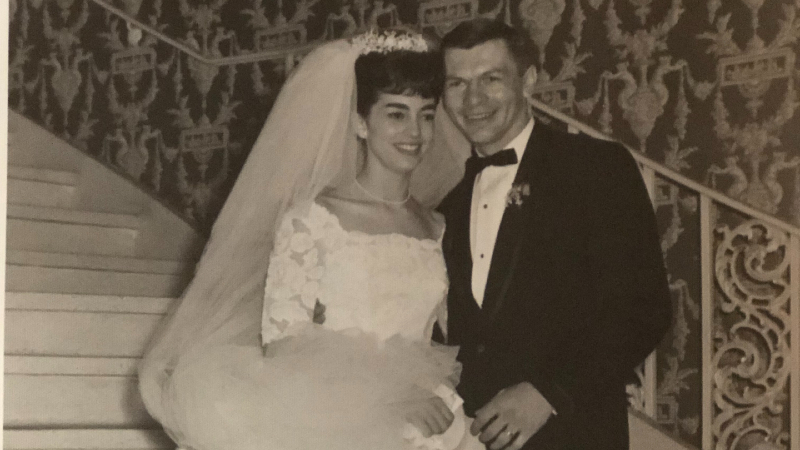
Several years ago, our father began declining mentally. Almost overnight, our mother’s partner of 52 years was mentally gone but physically still here. Our loving father and doting grandpa was suddenly confused and different from the person we knew.
This new journey was a change for all of us. As a family we decided that it was important to share news of his dementia. Our public statement was met with sorrow, understanding, compassion, love and support for both Stan and our family. We knew we were not alone in this journey, ours was just going to be a little more public than most because of Stan’s name and notoriety.
This is not a path any family foresees for a loved one, but it is, unfortunately, one that unites many of us. One amazing revelation was that once people knew that Stan was suffering with dementia, almost everyone who reached out to us had a family member or loved one fighting the same battle.
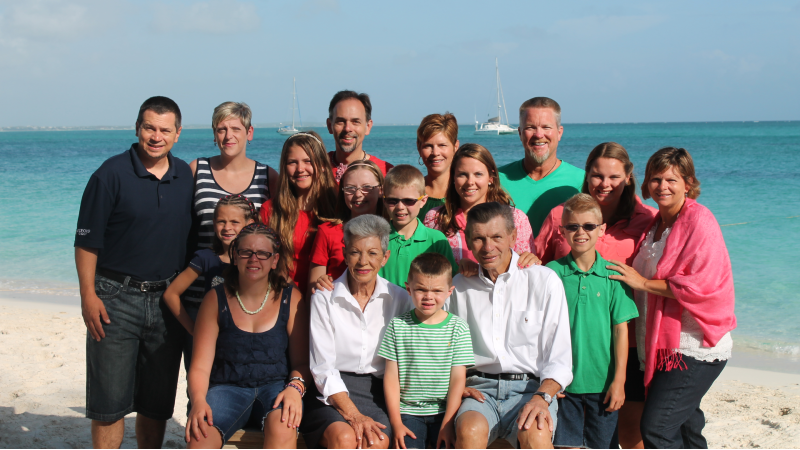
Because of the way our dad lived his life, during the end of his life, we were supported and loved by so many of the people he had touched. Friends, former teammates and rivals, kids he visited at schools and hospitals, old neighbors and strangers all reached out to offer comfort and share memories.
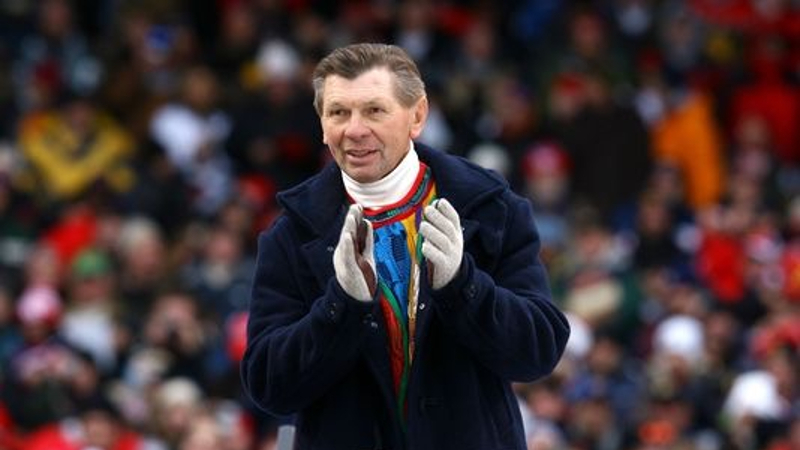
In keeping with the way he lived his life as a giver, it was our father’s idea to donate his brain to the UNITE Brain Bank upon his death. He made his wishes abundantly clear, and as he said in his book, “This is a serious issue, and I am willing to be part of a test group. While I’m alive, I will gladly cooperate with the investigation of post-concussion syndrome. It’s the least I can do.” He visited Boston in 2013 to undergo baseline testing with Dr. Stern. He knew this was not diagnostic testing and he would not be receiving any medical treatment to help his memory loss, but that this information would be able to help others in the future. He told our sister Meg after the testing, “I told them they could have my brain, but not yet, I’m still using it.”
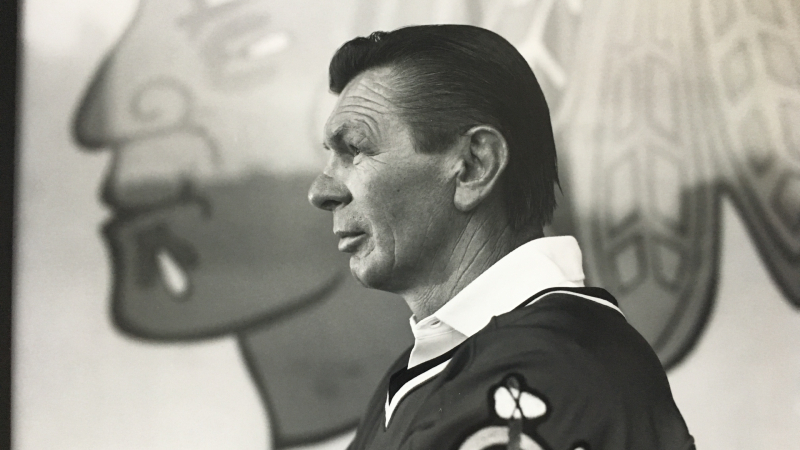
Our dad ended his book, Forever a Blackhawk with this quote, “By now, I thought for sure that I would be forgotten. Instead, I am still being remembered. How lucky can a guy be?” We were lucky to have him as a dad and friend, and we are honored to continue Stan’s wish to give back.
-The Mikita Family
Jill Mikita – wife
Meg Mikta
Scott Mikita
Jane Mikita Gneiser
Chris Mikita