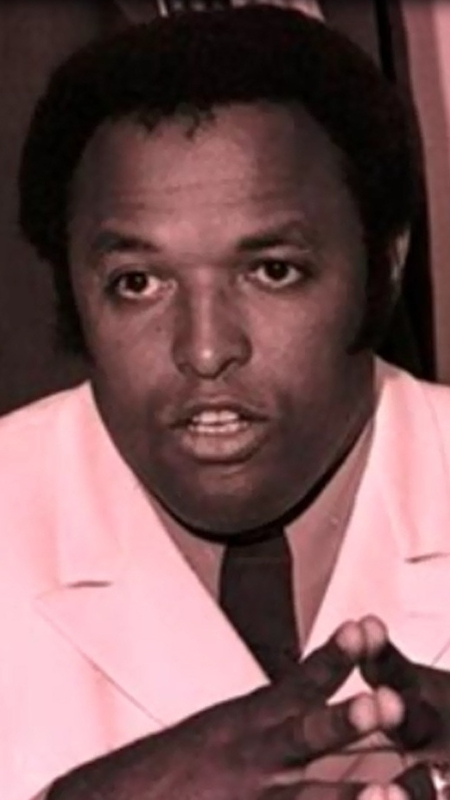
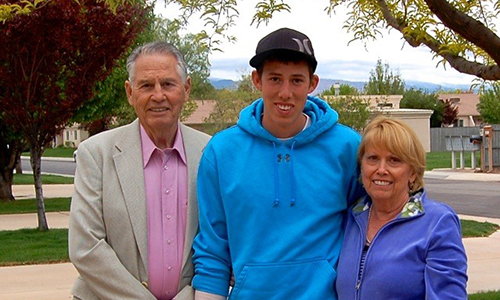
Charles Mackey

My heart stopped one day in 2006. Charlie did not remember how to get home.

We were on vacation in Mexico where we had rented a condo for several weeks. The condo was situated eight to ten blocks uphill from the little downtown area. To walk to town the route, was one street down and another street up. We had walked it many times.

I felt like I had suddenly taken a punch to the stomach. Then disbelief and denial, until two weeks later it happened again and he was truly lost. A month after we returned home he suffered a small stroke. An MRI confirmed the worst—there were considerable abnormalities in Charlie’s brain. Our doctor in Moab, Utah referred us to Dr. Norman Foster, the Director of the Alzheimer’s Research Center at the University of Utah.

And so began the eight year journey of our “long good-bye.”


In real life, the bulk of Charlie’s career was working in the professional football world as a talent scout, an enviable job he sincerely loved. He traveled constantly from one college campus to another, one practice to another, in and out of rental cars, hotels, and airplanes; seeing “every inch of the USA,” as he used to say. Charlie and I were married in the middle years of his career. It was wonderful to travel with him as he scouted football practices, timed players, while seeing college games all over the country. We watched bowl games and playoff games, and spent one month every April in Chicago for the draft meetings. Twice we were in Hawaii for the Hula Bowl, once traveling with the Chicago Bears to Berlin for an exhibition game between the Bears and the 49ers. Even though his heart and his head were football, he had no trouble switching gears to pursue other interests-reading, poetry and music, just to name a few.

Charlie read constantly. During his early life, he read all the classics, later becoming a serious student of Spanish Colonial history. He read books on everything “New Mexico” (I think we drove on every back road in the state) and often memorized his favorite poems (I did a double take one day when I saw that he was reading the poems of Pablo Neruda, in Spanish). His devotion to his Catholic faith grew as he read book after book on theology, the saints, and the encyclicals of the various popes. He ordered so many books on religion from our local library, the librarian asked him if he was a priest!

He usually listened to classical music, with one exception—Mexican Rancheros—and together we discovered a love for operas. This was Charlie, always surprising me with his myriads of interests. He could do anything with his hands from creating lovely carvings to working with silver jewelry. He even tried painting. He was a meticulous craftsman, a popular handyman, in plumbing, electrical, laying tile, woodworking, or whatever was needed. Our landscaping was cut, mowed, trimmed and then cut, mowed and trimmed again. When the time came that he could no longer read or work with his hands, his interests of course narrowed and he became very happy watching Nova or Nature on television. John Wayne DVDs became his very favorite pastime the last couple of years of his life.

Charlie, was a solid principled man. Once he made a decision he could not be swayed. He was fiercely devoted to his church and was a caring considerate man of the less fortunate. I will always remember his comment that “the poor loved God more because they needed Him more.” It was not uncommon for him go out and help the gardeners or empty our trashcan when the men came by in their truck. Sometimes he went outside with a sandwich or six pack of beer for the workers. Very often he over-tipped the waitress, commenting that “she must be trying to raise three kids” (and then he would give the bus boy another tip).

In contrast, he did not suffer fools gladly, especially the materialistic or boastful. Charlie led a privileged life in the professional football world but never bragged about where he had been and who he knew, you had to drag it out of him. When he wore his Super Bowl ring, it was often turned to the inside unless he was working. I loved that he had real respect for women; a man using bad language around a woman could find himself being promptly escorted outside; the same with the obnoxious cell phone person.

How frustrating it was to deal with my husband as his memory became impaired, along with his very difficult behavior. This six foot three, strong healthy man declined by inches; he who had never broken a bone, suffered a serious injury, been in a hospital, or even taken an aspirin. When he was in social situations, he stopped entering into the conversations, as it was impossible for his brain to process the conversation fast enough to reply. Every day I had to adapt to a new Charlie and figure out a way to cope. This insidious illness robbed him of his ability to take care of finances, think clearly and logically, use good judgment, understand what he had just read, or write letters. He gradually withdrew from his children and grandchildren. My life as his caretaker vanished and his life became my life.

Months and trips to Salt Lake City went by. The doctors watched him and tested him in every way imaginable. Charlie was having more issues with memory and we were both frustrated with each other. I was also having a hard time dealing with his erratic behavior. A second MRI gave the doctors enough information to determine that he had “enormous and confluent” white matter disease, along with other irreversible vascular damage. The doctors told us that medical science had no way to stop the disease from progressing—he had five to ten years.

Close to the time we received Charlie’s diagnosis, Dr. Robert Cantu and Dr. Ann McKee at Boston University Medical School had begun to report their research findings on chronic traumatic encephalopathy (CTE) in deceased football players, linking it to brain trauma from concussions and concluding that CTE continues to progress as it destroys the brain. I was unaware of their work.

Flash forward to 2013. Charlie was in a care center in Salt Lake City. Still unaware of the research being done, I happened to watch the Frontline documentary, “League of Denial” which laid out the published findings of Dr. Cantu and Dr. McKee about CTE along with other medical research on brain trauma. The documentary also included interviews with people associated with the NFL and their reaction. What a shock!

The rest is history. I searched for more information on traumatic brain injuries and ultimately focused on the Concussion & CTE Foundation and Boston University. I contacted Dr. McKee in Boston by email and within a day her team responded. In time, our family made the decision that we would donate Charlie’s brain for their research when he passed away.


Charlie just plain loved his life. I can see him now, throwing out his arms and saying, “What a beautiful day! How much more could a man want but to have a day like this and be with his girl.”

“His girl” was this lucky wife whose husband told her almost every day that he loved her.

Painfully for me, during his last few years he reminded me that we had had a beautiful journey. He needed nothing more and was anxious to meet God. This was his way of indirectly saying to me to be grateful for the beautiful 26 years we had been married. It was the closest he ever came to talking about his illness. This man had no regrets and was perfectly at peace.

After years of caring for my husband with a constant struggle, confusion, sorrow and hopelessness, life suddenly had a purpose. A feeling of great comfort came over me for the first time since that day when my heart stopped in 2006; a realization that maybe the tragedy of his illness could contribute to something meaningful.

Eight months after he passed away, in October 2014, the clinical study and research on Charlie was completed. It was determined Charlie had advanced CTE with a trace of Alzheimer’s and vascular dementia. Although the news was sad, it was a relief to better understand what Charlie had been going through. Dr. McKee told me Charlie must have been very heroic to have suffered with all three diseases without complaint.

Our family is most grateful for the love and sensitivity shown to us by Dr. Ann McKee, Dr. Todd Soloman, Lisa McHale, Patrick Kierman and their team. We spent hours with them on conference calls as they gathered information on Charlie’s life and football career.

We want to express our sincere gratitude to Chris Nowinski and Dr. Robert Cantu who founded the Concussion Legacy Foundation. These two men started asking questions, looking for answers, and found the first donors for Dr. McKee, which we now know lead to the discovery of CTE in professional football players. Without them it may have been years before CTE was linked to contact sports. Chris, Dr. Cantu and Dr. McKee have dedicated their lives to this continuing research, tirelessly working to promote safer sports. Our families’ hope is that the legacy of Charlie and the other athletes who have donated their brains to this valuable cause will be helpful in bringing to light the urgency of understanding brain trauma.


Excerpts From Charlie’s Obituary

Charlie prepared all his life to meet God, and so it was on January 22, 2014 he left this world and completed his journey. He passed away peacefully in his sleep after a long battle with dementia and Alzheimer’s disease. Charlie was born in Mescalero, New Mexico, and October 17, 1934 to parents Charles and Katherine Mackey, the youngest of three brothers and one sister. He was of Mexican/American decent; his father being Anglo and his mother Mexican. They moved to Tularosa, NM where Charlie spent most of his young school years. His youth in Tularosa “was glorious”, as he often remarked, always longing to go back to New Mexico. He seemed to identify more with the Spanish side of his world, being fluent in Spanish and loving the people and culture. His Grandfather Miller was a veteran of the Civil War for which he was very proud, and he cherished his Grandfather’s Civil War Reserve Medal.

When Charlie was fifteen his parish priest arranged for him move to Phoenix, AZ and enroll in St. Mary’s Catholic Boys School. He went to school there through high school. At St. Mary’s he was a three star athlete, culminating in a four year football scholarship to Arizona State. At ASU he was homecoming king, a four-year football letterman, and captain his senior year.

After graduation Charlie was drafted by the San Francisco 49’ers, later moving to the Baltimore Colts. He interrupted his professional football phase to fulfill his obligation to the R.O.T.C., serving his country in Korea. While in Korea he played football for the Army, winning the Far East Kimchi Bowl.

Returning to civilian life he spent five years as a football coach at Missouri. The next 22 years he was with the Dallas Cowboys and Tom Laundry as a talent scout. The last eight years of his career he was with the Chicago Bears and Mike Ditka. His career was exciting and successful, but if he were to tell you of what he was most proud it would be his service to his country and his Mexican/American heritage.

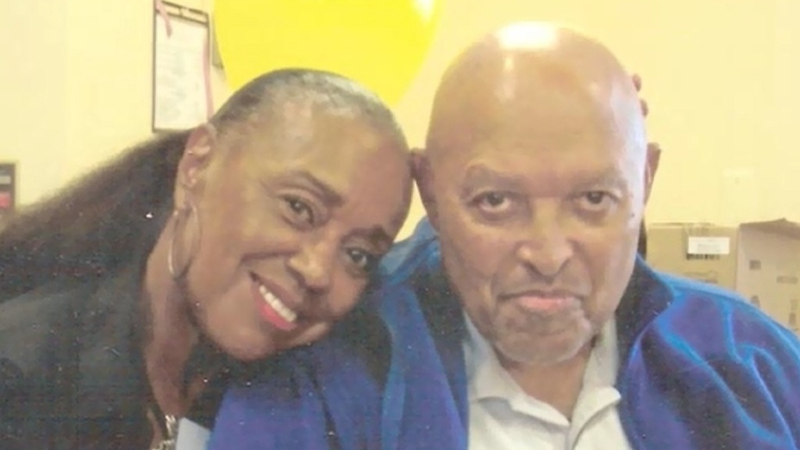
Charlie is survived by his wife Diane whom he adored, son Jon, brothers Richard and Howard Mackey; children Melanie and David Watson, Pearson and Sharon Frank, Carter Frank, and five wonderful grandchildren, Laura, Kody, Sam, Savannah, and Cheyenne, who all loved and cared for him during his long illness. Charlie will forever be in our hearts. We miss him.

A memorial mass [was held on March 26, 2014] at St. Vincent de Paul in Salt Lake City, internment [followed] at the Utah Veterans Memorial Park.

In lieu of flowers, love your loved ones and bless every new day.
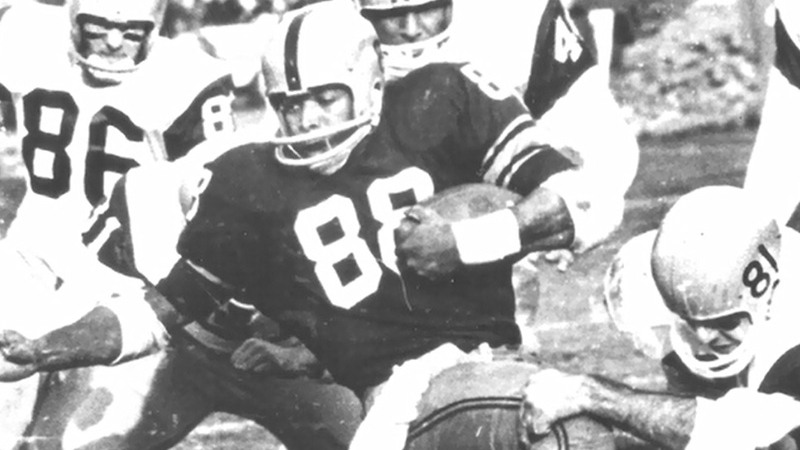
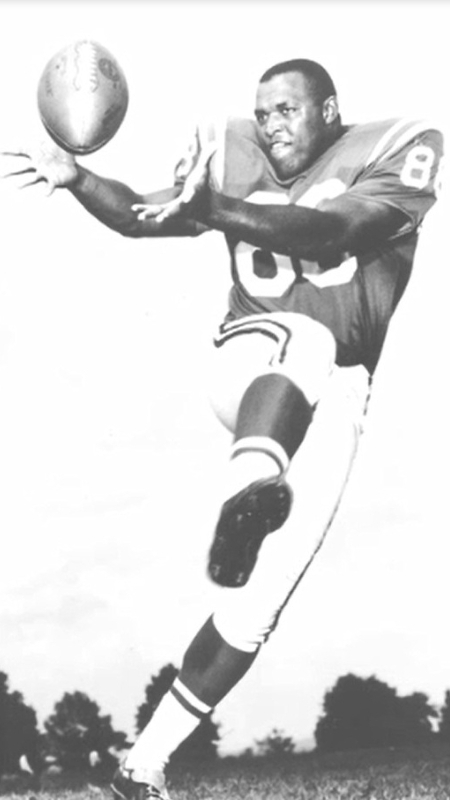
John Mackey

John Mackey made a difference – in football, in business, and in life. A star tight end at Syracuse University, his impact was so significant that the university retired his jersey number – 88 – in his honor in 2007. While at Syracuse, he quietly and peacefully made inroads into the discrimination that permeated society, building lifelong friendships that transcended ethnicity and socioeconomic backgrounds.

Selected by the Baltimore Colts in the second round of the 1963 draft, John played nine seasons with the Colts before finishing his playing career with the San Diego Chargers in 1972. In 10 seasons in the NFL, he earned Pro Bowl honors five times, including his rookie season. In 1992, he was inducted into the Pro Football Hall of Fame, only the second at his “revolutionized” tight end position to be so recognized. To this day, Mike Ditka – the first tight end to be inducted in the Hall of Fame – describes John as the greatest to ever play the game.

In 1970, John became the first president of the National Football League Players Association following the merger of the NFL and AFL. He spent the next three years leading the union through turbulent times, fighting for better pension and disability benefits for players, and gaining free agency that today’s NFL players still enjoy. It was a battle that some contend kept him out of the Pro Football Hall of Fame for 15 years.

Off the field – and for nearly three decades after his football career ended – John was as committed to advocating for those in need as he was to football – and in particular, Syracuse University and the Syracuse Orange, and Baltimore and the Baltimore Colts. Although he and former U.S. Congressman Jack Kemp (an NFL veteran himself) had different political perspectives, they partnered to launch a non-profit to give an educational advantage to disadvantaged children. He actively supported the civil rights movement that changed the course of history. He reached out to others, whether it was to offer guidance on career choices or to advocate for recognition of an under-appreciated teammate. At John’s funeral in 2011, in fact, his Syracuse teammate, former Denver Bronco Floyd Little, told mourners what John wrote to the Pro Football Hall of Fame in support of Floyd’s candidacy: “If there’s no room for Floyd Little in the Hall of Fame, please take me out and put him in.”

That’s the kind of person John Mackey was.

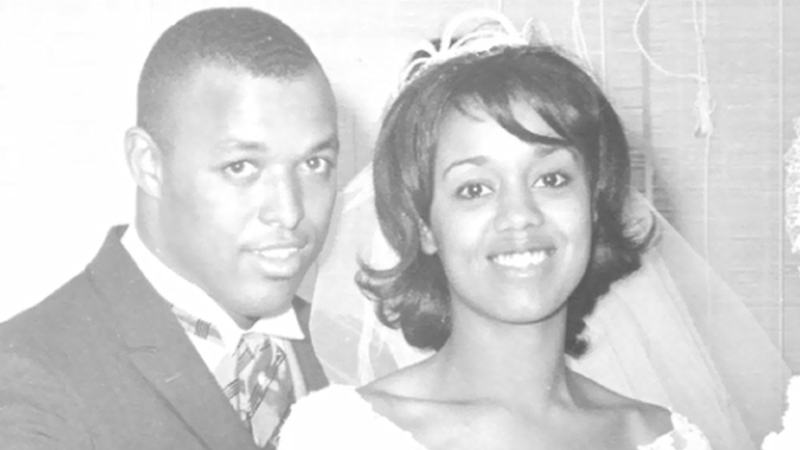
He was also my college sweetheart. We started dating as freshmen at Syracuse, thanks in part to our friend Ernie Davis, a teammate of John’s who loaned him the money to pay for our first date. John and I married in 1964, raised a son and two daughters together, and had just begun to enjoy our grandchildren when John was diagnosed with frontotemporal dementia. He was just 59 years old.

Until then, I thought we would grow old together. I thought we would watch our children’s children grow up. Instead, over the last 11 of our 47-year marriage, I watched the love of my life lose every memory of the family, the friends, and the game he treasured. Over those 11 years between his diagnosis and death, the compassionate person who cared so much for others, the man who stood up for the underdog, the mentor who provided guidance to so many young people, the citizen who gave back to the community – the loving husband, father, and grandfather – slowly regressed to a childlike adult.

Despite the ravages of the disease, there was one constant in John’s mind – he was a Baltimore Colt. When his disease progressed to the point where hygiene became an issue, a fake message from the NFL’s then-commissioner Paul Tagliabue convinced John to brush his teeth. He proudly wore his Super Bowl V and Pro Football Hall of Fame rings, yet it was absolutely heartbreaking to hear him ask friends and fans alike, “Do you want to see my rings?” Even in the fog of dementia, the Baltimore Colts and the National Football League broke through.

Although dementia robbed John of his powerful voice, the disease gave him the ability to influence the discussion about head trauma, to inform active and former players about the dangers, and to impact the future of sports medicine and player safety. His private battle with dementia became the public face of the link between head trauma, chronic traumatic encephalopathy, and related ailments. He was the catalyst for the 88 Plan that provides financial assistance for those affected, for the advocacy and fundraising efforts of his Baltimore Colt teammates that changed the conversation from blaming the player to protecting the future, and for my own involvement in the Concussion & CTE Foundation. When John died on July 6, 2011, a few months shy of his 70th birthday, the widespread media coverage focused as much on these and other post-diagnosis accomplishments as on any of his other achievements in life. Even in illness and in death, he changed the world.

That, I believe, is John Mackey’s greatest legacy. What will your legacy be?

Sylvia Mackey
Mrs. #88

Matthew Martinez

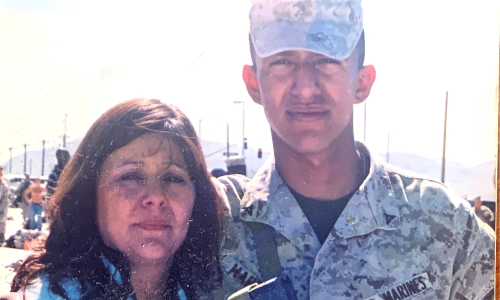
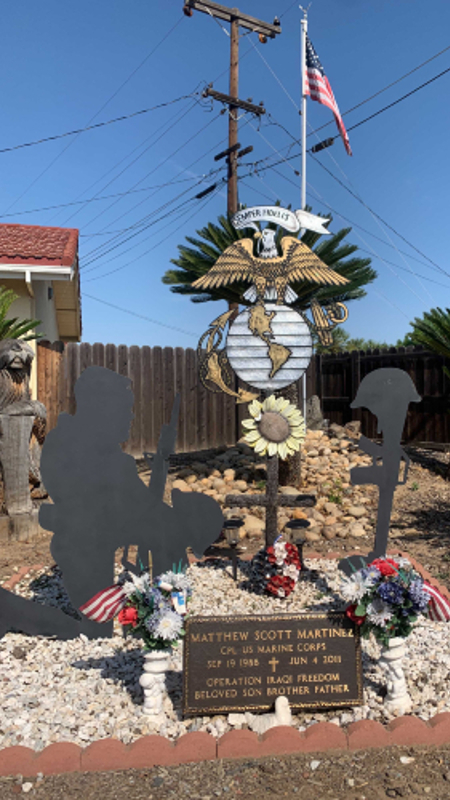
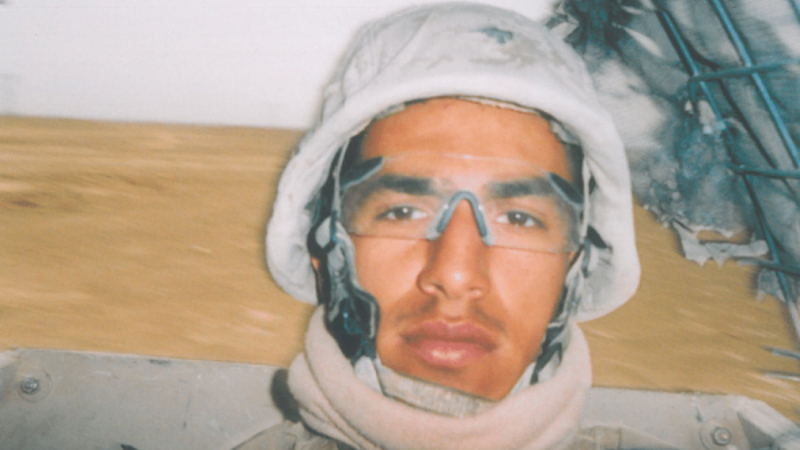
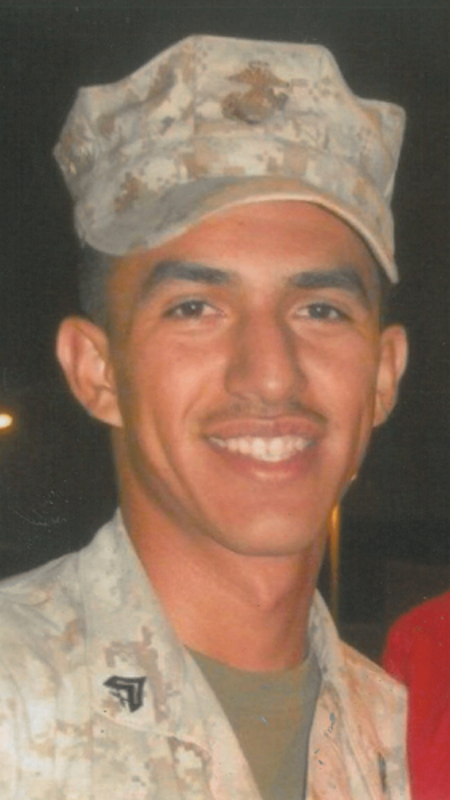
When passersby walk by the Martinez family’s home in Reedley, California, they come across a memorial for Matthew Martinez. Some visitors drop flowers next to Matthew’s monument, honoring the young man who grew up intrepidly exploring the valley’s natural splendor. Many salute his United States Marine Corps plaque, remembering the former Iraq War Veteran, gone too soon.

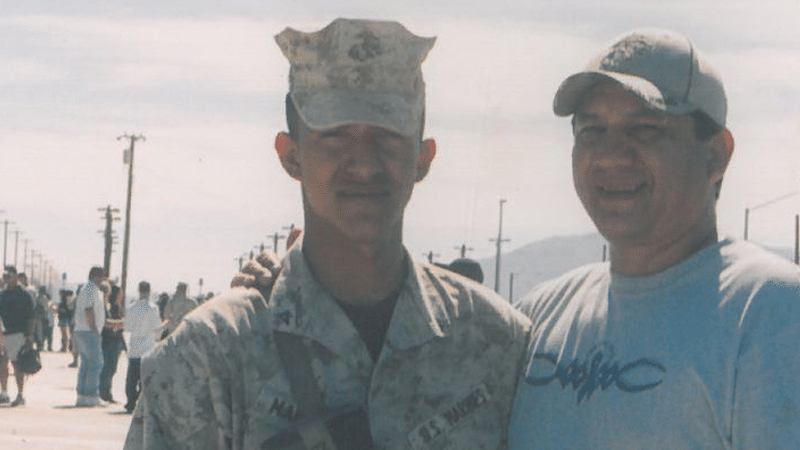
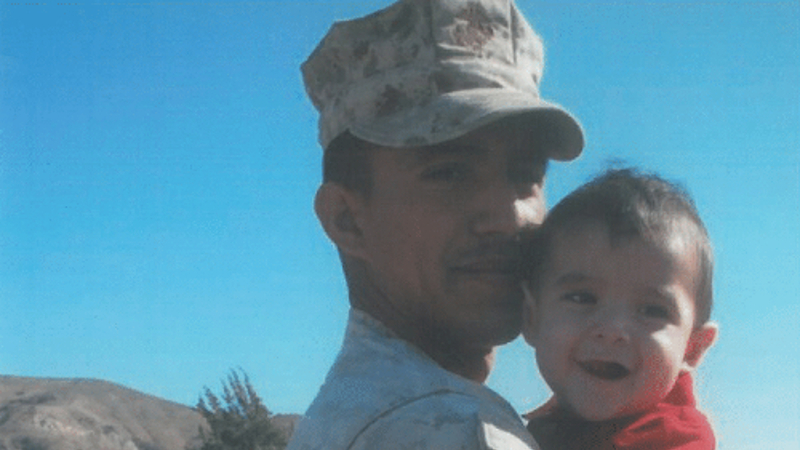
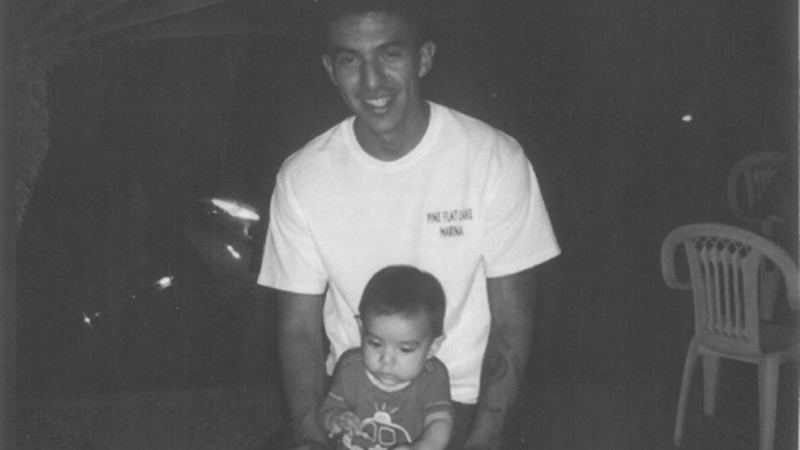
In the last 10 years, Carmen and Dale Martinez have developed many coping mechanisms to protect from the pain of their son’s death. They are comforted to know Matthew lived a robust 22 years, full of adventure, novel experiences, and so much laughter. They can look at Matthew’s son Noah, his doppelganger in both appearance and spirit. They can remember how Matthew did what he set out to do from a young age by serving his country.

But coping has its limits.

“As parents,” Carmen said, “we are not equipped to send our kids off. It’s supposed to be the other way around.”

As much vitality as Matthew and the countless other Veterans lost to the invisible wounds of war gave in their time on Earth, we could help them have even more, says Dale.

“These heroes who have served – they all have a story to tell. We want them to be healthy. We want them to seek help when they need it so they can share their stories of their life to their children and their grandchildren.”


Matthew Martinez was born on September 19, 1988. His parents fondly remember young Matthew’s zest for life.

“He was just a cool guy,” Carmen said. “He always wanted to please and do good for everybody.”

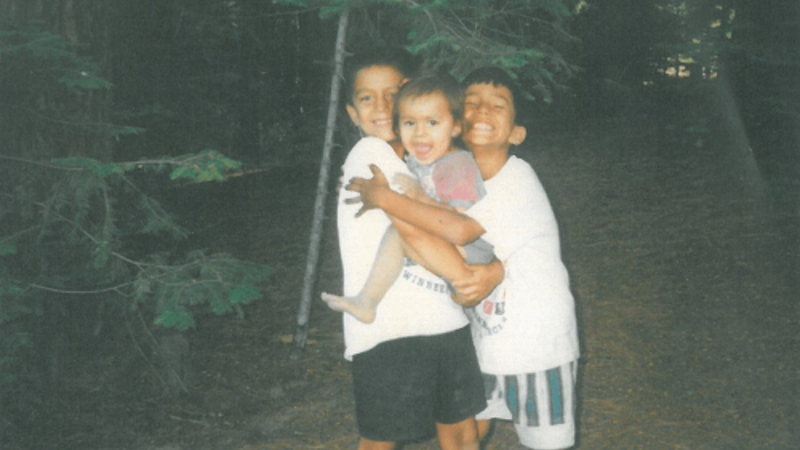
From a young age, he took advantage of the nature around him in California’s Central Valley. He was notorious for starting lemon fights on the Martinez family’s 25 acres of citrus orchards – hurling the fruit at his siblings and cousins.

Matthew was in his element during family camping outings at Sequoia or Yosemite National Parks. The vast landscape around him offered a chance to swim, hike, run, climb, and extract as much fun as he could from the world.

“He’d be the first one up a rock,” Carmen said. “Like Spiderman.”

After school, Matthew loved playing sports, dirt biking, working on cars, and taking camping trips with friends.

Many of the men in the Martinez family served in the United States Armed Forces. At the family’s many gatherings, Matthew listened closely as his grandfather, great uncles, uncles, and cousins shared stories from their time overseas.

Matthew was 12 years old on September 11, 2001. He watched many of his cousins immediately enlist in the war and serve in the initial invasion units in Iraq. When Matthew was a sophomore in high school, he decided to enlist in the U.S. Marines.

“He took a lot of pride in his family’s history of service,” Dale said. “He wanted to make us proud for his service and by his service. And he did.”

Martinez entered the Marines two months after graduating from Reedley High School. He graduated from boot camp in Camp Pendleton in San Diego in October 2006. A year later, he was deployed to Iraq.


A platoonmate of Matthew’s from his first deployment remembers a sudden thud to the back of his head while he was looking out into the distance.

The thud came via Corporal Martinez, who threw an orange at the platoonmate’s head. 7,500 miles away from home, Matthew found a new citrus to play with.

Matthew wrote home often during his first deployment. Over occasional video calls, Carmen and Dale saw the same joyful Matthew they raised for 18 years, albeit a bulkier version.

The first tour ended in May 2008. Matthew was back on U.S. soil, stationed a seven-hour drive away from home in Twentynine Palms, California.

In February 2009, Matthew’s son Noah Scott Martinez was born.

Once Noah was born, Matthew went home every chance he could, flooring the gas pedal from Twentynine Palms to Reedley. Matthew adored Noah and loved playing with him.

“Noah was his pride and joy,” Dale said.

Matthew left for his second deployment, a marine expedition unit (MEU), in September 2009. The MEU represents a dark period for the Martinez family’s communication with Matthew, as letters home were less frequent, and Matthew had less access to video calls than he did on the first deployment.

Dale and Carmen are still unsure about the specifics, but they know Matthew experienced a fair amount of injury on the MEU. They know he suffered several falls over the course of the deployment. They also know he operated heavy artillery – regularly putting him in range of blast waves that emanate from firing weapons.

Martinez returned from the MEU deployment in May 2010. He was honorably discharged from the service three months later. He was finally coming home for good.

“We were elated,” Carmen said. “We didn’t have to worry about him getting blown up, shot at, or taken prisoner. He was safe.”


Carmen looks back on those first few months of being reunited with Matthew as a “honeymoon period.” When he first came home, Martinez told his family he wanted to grow his hair out and relax for the first time in years. But for the next 10 months, he struggled to find such peace.

“It’s a disease that hides,” Carmen said. “He was fighting silent battles all while we thought everything was fine.”

The first sign of trouble was the headaches. Matthew frequently complained to his parents about headaches so painful he couldn’t sleep, and he rebuffed every time Dale and Carmen suggested he take medication and seek medical services.

Matthew was effortlessly cool and easygoing growing up. He loved life too much to be fazed by much of anything. After he was back home, Carmen was stunned to see her son get so upset when he discovered his burger order had been mixed up.

“The mood swings were probably when we first thought, ‘Whoa’,” Carmen said. “This is not Matt.”

There was a distance between pre-deployment Matthew and post-deployment Matthew. A similar distance emerged between Matthew and his son.

In between his first and second deployments, Matthew wanted as much to do with Noah as he possibly could. But after the MEU, Dale and Carmen noticed Matthew didn’t possess the same energy when he cared for Noah.

Matthew could tolerate caring for Noah for brief periods, but his patience grew thin over time due to the stressors of raising a toddler. When Noah began to fuss, Matthew would become agitated and leave the room.

Dale had seen this before. His father was a Vietnam Veteran and battled PTSD for much of his childhood. When Dale saw his son suffer from headaches, nightmares, and anxiety, he urged him to seek professional help.

Before Matthew’s service, he and his mother had a close relationship. They could talk about anything. But when Carmen asked him questions about his deployments, Matthew reassured her she didn’t need to know about what he experienced.

“That’s kind of how it works with Veterans,” Dale said. “They protect their loved ones from some of that exposure.”

Finally, in April 2011, Matthew and a cousin went to the VA together. There, Matthew received a referral for a psychiatric appointment he’d never make it to.

On Friday, June 3, 2011, Matthew erupted in rage while working at the family business over a simple matter. That night, Matthew made peace with his father over the outburst.

The following morning, Matthew woke up with a headache and took a nap in his parents’ bed. Hours later, Matthew died in his sleep of a brain hemorrhage. He was 22 years old.


In the hectic wake of tragedy, the Martinez family’s search for clarity led them to Dr. Ann McKee, Director of the UNITE Brain Bank. Dale spoke with Dr. McKee and arranged for her to study Matthew’s brain.

“I knew something wasn’t right,” Dale said. “This was a strong kid, 22 years old. How the heck does his brain explode?”

Dr. McKee found changes suggestive of CTE in Matthew’s brain. The Martinez family remembers Dr. McKee explaining how the findings of Matthew’s pathology report were unlike anything she had ever seen. She likened Matthew’s brain to that of a much older person. She theorized how the overlapping of Matthew’s PTSD with his likely history of TBI may have contributed to his sudden death.

The results brought a wave of emotions upon the Martinez family.

First, there was relief. If Dr. McKee did not report any changes to Matthew’s brain, Matthew’s last 10 months would have devastated Dale and Carmen.

Then, there was clarity. The mood swings Matthew exhibited after he returned home seemed to come from an entirely different person than the man Dale and Carmen raised. They often wondered what they had done to upset their son so much.

“Now we know it wasn’t us,” Carmen said. “There was so much more going on in his head.”

Finally, there was pride. Matthew was fiercely proud of his and his family’s military service. The family is assured he would have been proud to be part of research that will help other Veterans manage the symptoms of TBI, PTSD, and possible CTE.

The family supports The Concussion & CTE Foundation’s Project Enlist, which recruits and conducts outreach to the military and Veteran communities to encourage them to donate their brain for research. More research will beget ways to prevent, diagnose, and treat the invisible wounds of war Matthew endured.

Carmen and Dale urge other Veterans to embrace vulnerability and seek help.

“PTSD is a silent killer,” Carmen said. “Matthew was screaming out and no one could hear him because he could only hear himself.”

For parents of other struggling Veterans, they suggest persistence. If you see your child struggling, raise the issue and advocate for seeing a professional. Silence only contributes to the crippling stigmas of mental health in the military community.


Carmen Martinez’s favorite quote is also her wish for her son’s legacy.

No day shall erase you from the memory of time.

June 4, 2021 will mark 10 years since Matthew Martinez’s death. The Martinez family is planning a gathering to celebrate Matthew’s life and preserve his memory. Friends and family will join to reminisce on a life cut far too short.

“He was a hero to us,” Dale said. “He forever will be.”