Overcoming PCS One Day at a Time

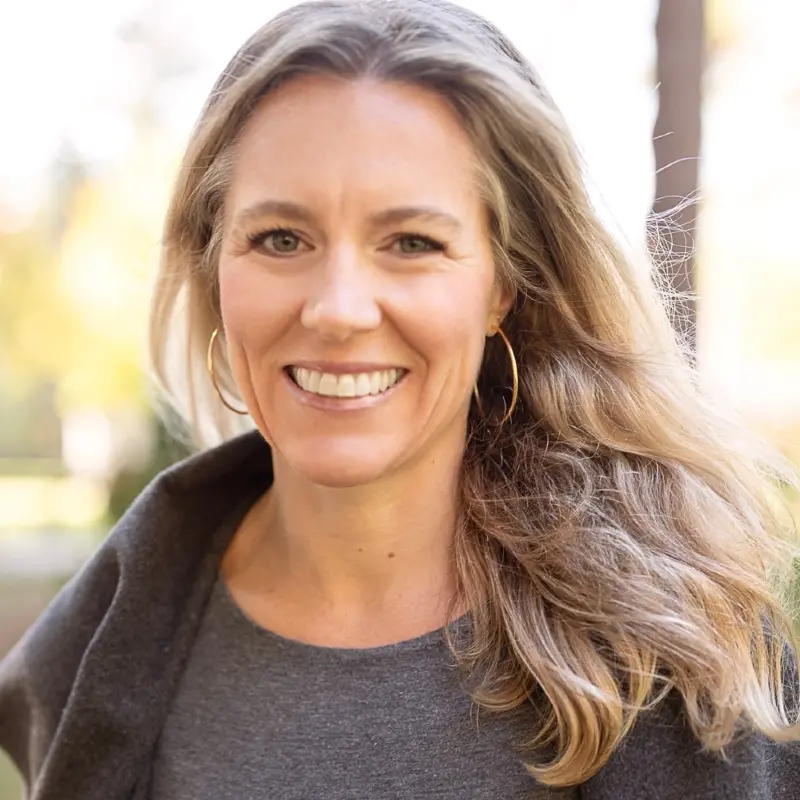
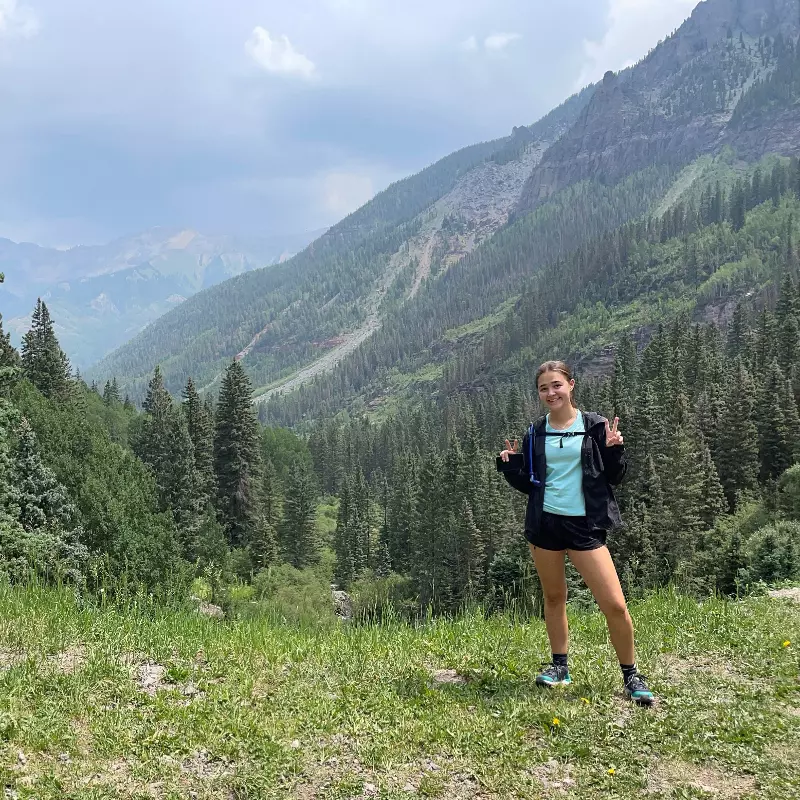
My name is Lauren Creighton. The last few years, I have been dealing with concussions and Post-Concussion Syndrome (PCS).

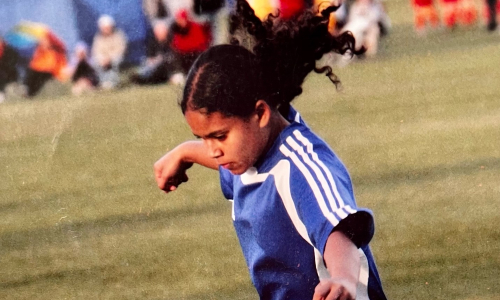
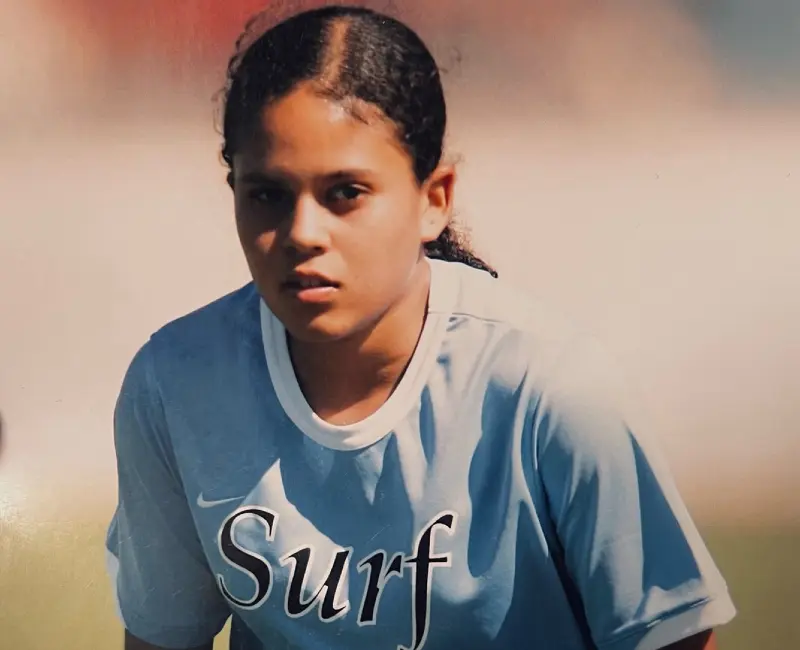
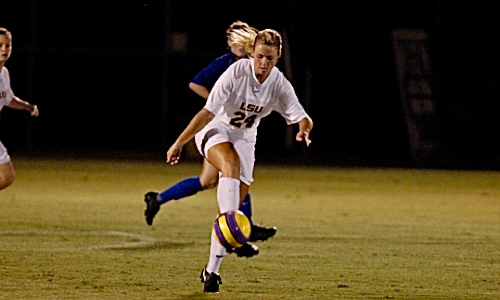
Before my concussions, I played soccer my entire life. Whether it was playing on the field, cheering on my teammates, watching professional games, or even playing FIFA, soccer was my true passion. I started playing around the age of three, which sparked my interest in the sport. I fell in love with the game and continued with club/competitive teams as I grew older.

I have had four concussions in my lifetime, all before the age of 18, and was diagnosed with PCS after my most recent one. I have been on a rollercoaster of recovery these last few years, searching for information, doctors, answers, and hope.

My last concussion happened in the beginning of my junior year of high school. I was playing in a scrimmage with my club team, five minutes were left in the game. It was a corner kick, and I was in the right spot for the ball to reach me. The ball came and I instinctively headed it. Immediately after, my head began to throb. I finished playing the last three or so minutes of the game and told my coach. He had no reason to think I had a concussion, nor did my teammates, and so I believed it as well. “How could just a header give me a concussion, when people do it all the time?” I told myself.

However, on my drive home, things went south. Sensitivity to light and sound, nausea, and a headache followed the practice. I knew the concussion symptoms like the back of my hand from previous ones, so this was a horrible familiar feeling. I knew I was going to have to heal from this concussion, but I did not know how long the recovery would take and how that would be my last real game of soccer.

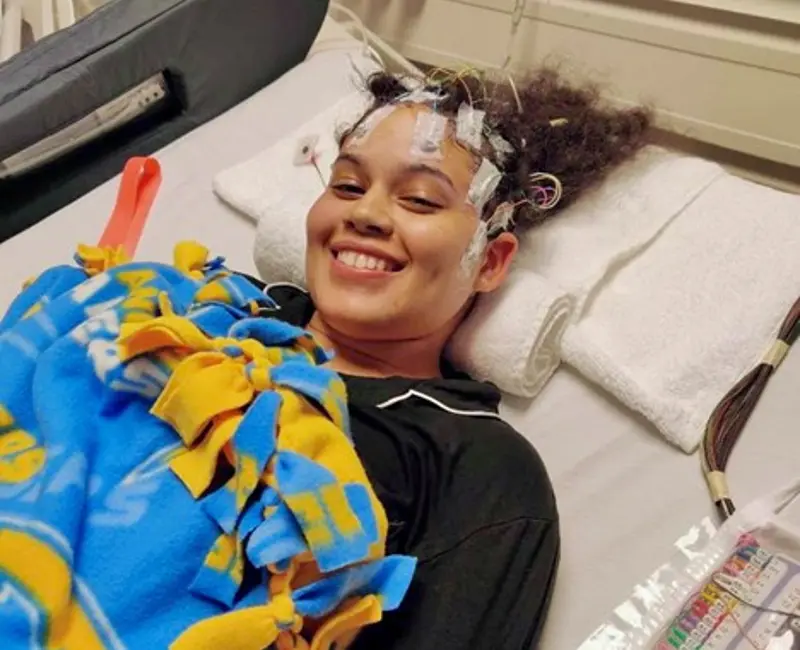
I immediately struggled with the physical symptoms, which were followed by the emotional struggles. It was a rollercoaster of pain and healing. Some days were so bad I wouldn’t be able to get out of bed. I remember laying there almost all of Christmas break my junior year because I couldn’t do anything else.

My symptoms slowly got better, but every time I tried to do anything more in my recovery, it felt like I was stuck, and all my symptoms would return. I had to see a neurologist and a neuro-optometrist to heal my eyesight problem. My tracking had been affected, as one of my eyes had a slower reaction time than the other one. With some new PT exercises, I made great progress with my vision challenges. After this, I gained hope I was going to be fine. But when I tried to go outside, workout, or even walk into Target, my hypersensitivity to light and sound made normal activities impossible. I had pressure headaches and tingling on the top of my head. Because of these physical symptoms, my emotional and mental health took a toll. I fell into a spiral of isolation. I could barely describe what I was experiencing, which caused me to become frustrated with my circumstances. I was tired of feeling hurt, alone, and exhausted. I felt as though nobody knew what I was feeling, and because of this, I thought I would never get better. My hope was starting to fade. There were days where my symptoms were so bad I would have to lay in my dark room with no sound, no light, and just lay for hours. I was hurting so much, and the worst part was I couldn’t explain how I was feeling to anyone.

One of the hardest parts of this journey was the loss of soccer. The idea of never playing again really began to sink in, and it hurt. People never tell you how much giving up a sport to an injury feels like, and I was not prepared. I regretted the practices I had skipped in the past and wished I could go back and play a few more times. This was also during COVID-19, so the isolation was worse since I couldn’t see many people. And even when I was able to see friends, my symptoms would flare up and I wouldn’t be in the mood to hang out.

I lost a lot of friends during this time, especially because I was not able to be there for my soccer team. My friends didn’t understand the extent of my injury. I was struggling with a lot of “what-ifs” and questions that dominated my frustration. I was asking myself, “Why was I taking so long to heal? Why can other people have concussions and be ‘fine?’ Why was this all happening right now?” These thoughts spiraled inside my head, and I lived with regret. I was struggling with anxiety and depression, but I didn’t recognize that was what it was. My pain got to the point where I wished I had never even played the sport I had once loved. I just wanted to feel normal again.

My symptoms lasted for a long time, and I was searching frantically on the internet for some sort of answer as to why I was struggling so much. I did weeks of endless Google searches on concussion information and anything to educate myself on the topic. After a while, I came across the Concussion & CTE Foundation. Reading all of the Foundation’s resources and their Inspiring Stories dramatically helped me. I was able to relate to others and see how they described certain symptoms I was experiencing too. I showed this to my family, and it gave me hope to finally be able to describe what I was going through.

During this time, I got into another (new) neurologist and a concussion specialist and was diagnosed with PCS. This diagnosis, although not positive news, brought me relief as I was able to pin a reason down as to why I had been struggling for so long. I knew from here I was going to get better. I was determined. I worked alongside my concussion specialist for months. By the end of it, I was feeling almost brand new. The day I was released from PT was such a momentous moment. I had put in the work to get better, and it had finally paid off.

Now, I am not saying I am completely healed yet, as I still struggle with the mental side effects. I have a lot of anxiety regarding my brain health. I try to take care of myself by working out (to the extent I can), hanging out with friends and family, and other activities that bring me joy. Focusing on the positives and reducing stress in your life can help a lot. Through my research, I was able to better understand concussions and PCS.

During my recovery journey, I also discovered that I was born with Chiari malformation, which is a brain disorder that can affect your day-to-day life. I am now aware of the obstacles in front of me and am adapting to live in a safe way, while still having fun. I am beyond grateful for the resources I was able to find when starting my research, and without them I am not sure if I would be in the same place I am today.

Some of the best advice I received was to take one day at a time. Personally, I am someone who struggles with this idea, as I think about the future a lot. But when I switched to this mindset, I was able to clearly focus on the things I can control right now. So, what I would recommend to anyone dealing with concussions or PCS is to try and take each day one day at a time. Focus on the positives, especially the small, little things we tend to overlook in our everyday lives. Reach out for help. With the right resources and a strong support group, you will get better. Going through this journey alone would not have been possible for me. Luckily, I had some of the greatest support from my family and hope with my faith. Because my story has had so many ups and downs, it’s turned me into a more grateful person. Finding the Concussion & CTE Foundation’s stories truly helped me get through the hardest parts of this journey, and is why I want to share my story as well. I hope anyone reading this knows they are not alone and are not making these symptoms up in your head. It does get better. Reach out to people and get the resources you need!

The Hidden Danger of Tackle Football

I created this animation to support the Concussion & CTE Foundation’s Flag Football Under 14 program. My family was impacted by the loss of my uncle, Shane Dronett, a 10-year NFL veteran to CTE in 2009. This animation is to honor my uncle and help educate families of the risks of playing tackle football before age 14. I am thankful that Chris Nowinski and the entire Foundation has given me the opportunity to share my project.

PCS Recovery with USFL Safety Dartez Jacobs

“You typically get the testimony after someone has made their way to the other side of healing. Well, I’m right in the midst of it all, and now serve as my own shelter from the storm.”

1. What did you know about concussions while playing youth sports?
I didn’t know what a concussion was until I suffered one in 10th grade. My coaches at the time weren’t educated on the impact of head injuries; I learned through trial and error. A goal line stop that put our team in position to win became a stale joke from my head coach: “Don’t knock yourself out again!” Having complete disregard for my body as a defender was praised. My senior year superlative was, “Most likely to give someone whiplash.” I figured it was a part of the game and came with the territory. “You’re either the hammer or the nail…”

I also remember my brother taking a hit on the sideline during a preseason youth game. I jumped the ramp and ran onto the field because I immediately knew what happened. A concussion ended his playing career. He was probably a bigger football fan than me so to see him call it quits weighed on my spirit for a while. He didn’t have the same enthusiasm for the game after that.

2. You suffered two concussions this past season that led to Post-Concussion Syndrome (PCS). What was that experience like? 
Concussions are unfortunately a part of the game, but they aren’t always reported as such. There is more research being done to remove the head from the tackle and protect the defenseless player. You see guys now wearing neck collars, and some teams requiring Guardian Caps over helmets during practice. It’s a pretty nuanced topic in my opinion. Players playing through concussions is also a prevalent part of football culture. We all saw the situation with Tua Tagovailoa and what was blatantly apparent as negligence. There is neglect within the current concussion protocol across the board. As a professional athlete we are conditioned to focus on the main thing no matter what, which is our job security. There’s a quote I’ve heard my entire career from coaches: “The best ability is availability.” This is the same mentality carried by athletes who play through injuries. You can’t secure a job if you’re not available to perform.

The number one priority should be player safety. Every level of football should be intentional about enacting player safety measures. I can relate from personal experience. I suffered two concussions in back-to-back games, where the second could’ve been avoided had I healed fully before returning to play. I was told I cleared protocol without a concussion, so I was unsure why I didn’t feel normal. I voiced my emotional distress as my anxiety intensified. I soon learned that this injury isn’t understood by many in the profession. There is still a lack of education from all involved including players. You can’t suppress and fight your way through a brain injury. You will be forced to surrender as your body heals. I now tell myself every day, “Quality of life is more important than job security.”

3. How did things progress from the first concussion to the second? Did you experience any symptoms?
After the first hit my body went limp from the neck down. I was able to get up after a few seconds and stumbled a bit looking to see if anyone saw from the sideline. That’s when the referee pulled me from the game to be checked for a concussion. I was told I cleared protocol and was allowed to return to the field. I suddenly was no longer able to manage emotions as my anxiety spiraled downward from there. The game ended and my frustration was at an all-time high. A week later I lost consciousness on impact during a second hit and couldn’t remember anything as I walked out of the medical tent. Chronic headaches, light sensitivity, and brain fog were symptoms that lasted long enough for my team to place me on IR for the remainder of the season. I had to completely detach from my normal life and start from scratch in my recovery.

4. How has your PCS affected relationships with teammates, friends, family, and people close to you?
There is a sense of loneliness dealing with PCS because it removes you from your normal headspace. It’s an invisible weight I carried on my shoulders daily. My dreams were sinister, so nightfall brought immense anxiety. I became emotionally dysregulated and drifted in survivor mode. Thankfully my faith has kept me upright. As self-sufficient as I am, I’m not afraid to ask for help when I’ve done all I can on my own. The relationships with my family and teammates have kept me levelheaded during this time. It’s very easy to slip into depression when you thrive in solitude. I made the necessary adjustments and stuck around people who cared about me. There is truth in the saying, “The lone wolf dies.” You can’t get through this alone without a solid community around you.

5. People often say athletes know what they sign up for in regard to concussion awareness. Do you think athletes are aware of the impact concussions can have, especially if not treated properly?
Athletes don’t always think about it, but we take the risk every time we step on the field. We all expect to be treated properly and it doesn’t always happen post-concussion. Everything is reactive instead of proactive. Player safety isn’t seriously considered until someone’s pockets are hurt, life threatening injuries occur, or a player dies. I always say it’s the responsibility of those involved to make yourself aware of the risks you take playing this game. Nobody ever thinks it can happen to them until it does.


6. Have any treatments helped improve your symptoms?
Cognitive behavioral therapy for sure. I also worked with a vestibular specialist for balance and neuromuscular retraining. After the season I transitioned over into visceral manipulation and cranial sacral therapy. I’m now working with a clinical neuropsychologist at the Concussion Institute. My physical therapists put a plan together for me to make a full recovery by next season. I look forward to being further ahead than I was before my injury.

Dr. Schwartz from the Institute also mentioned Dr. Chris Nowinski’s advocacy for concussion safety. I did my research on it and made a pledge to the foundation.

7. Was there anything in particular that drove you to that commitment to research? 
As pro athletes, we are conditioned to think this game will reward us for playing through pain. Once I realized it didn’t owe me anything, I started taking more accountability for my health. I’ve used football as an outlet and vehicle my entire career, but I won’t turn a blind eye to the neglect I’ve experienced. The Concussion & CTE Foundation is making room for those who support strengthening player safety. The only way we’ll see change is through research and policy shifting. Having uncomfortable conversations around concussions in sports is necessary. It’s time we all look in the mirror.

8. Why do you want to tell your story?
You typically get testimony after someone has made their way to the other side of healing. Well, I’m right in the midst of it all, and now serve as my own shelter from the storm. Somewhere along the way I learned to appreciate uncertainty and exit the loop of fear. I speak not only in regard to what I endured, but also for anyone else who is silently suffering from PCS.

9. What is your hope for the future of football?
Football is growing globally and as more players leave the game, others join. I hope we continue supporting what research shows and educate on the impact of repeat head injuries. The game is more than X’s and O’s; there’s no real-life counsel in your playbook. You can’t take it with you when you leave the game. I hope the culture of dismissing injuries shifts so more athletes don’t lose their mind, or their lives when the game ends for them.

10. How do you hope to use your role as a Concussion Captain to impact your sport?
My voice is one of the most powerful tools God gave me. I have many tangible experiences to reference. Instead of clinging to false hope, I decided to actively join the change I wish to see.

11. Finally, what would your message of hope and inspiration be to others who might be recovering from a concussion right now?
Be firm and advocate for yourself! Listen to your body. We are much stronger when we’re honest and vulnerable about what we feel. The clichés are true. Be hopeful in the presence of discomfort. Go back to a point in time where life was simple. Rediscover your joy and sit in these moments a little longer. Edit your life and the people around you. Lean on your family, close friends, and most importantly your faith. Get outside in nature and adventure again. Dedicate this challenging season of life for deeper self-mastery. When you wake up and put two feet on the ground, be determined your pain will subside. I channeled the same approach I had for football into healing. Only in my suffering did I find true peace. It may feel like you’re going from one extreme to the next, but your story too will end in triumph.

A Former Hockey Player’s Vow to Help Youth Athletes

“Be smart about anything related to your head. And as soon as something doesn’t feel right, you have to let someone know.”

That’s the message Lewis Simon has for his younger self. Now 23 years old, it’s something Lewis didn’t realize the importance of until a few years back, when a doctor told him he could no longer play the sport he loved because of concussions.

As a kid in Chicago, Lewis had one goal: become a professional hockey player and play in the NHL. He was a passionate, fearless, and aggressive player who had all the tools to make his dream a reality. If anyone was set up to succeed, it was Lewis. He started playing hockey at five years old and never looked back. He realized his potential at a young age when making sacrifices none of his peers had to make, such as missing out on school events.

“I knew since high school this is all I want to do,” said Lewis. “I’m going to play Division I, I’m going to the NHL, I’m going to do whatever it takes to pursue the dream.”

The pace really started to pick up after Lewis dropped lacrosse as a freshman in high school to focus solely on hockey. Then came a move to Pittsburgh as a junior to join a high-level travel AAA team to fast track his development and prepare him for a future playing career. But a severe traumatic brain injury (TBI) and lingering symptoms threw a wrench in those plans.

And though Lewis certainly suspects he experienced a few concussions growing up, they all went undiagnosed and largely untreated. There were days he’d be dizzy and sapped of energy, feeling like his head was in the clouds.

“Looking back, I was a very aggressive player and definitely had been concussed in the past,” said Lewis. “I just never knew because I didn’t have the proper education, or the trainers would simply clear me. There was no guidance.”

It was a vicious cycle. Lewis would take a big hit, get checked out, rest in bed for a week in the dark, fudge through medical forms saying he was better, and then be cleared to play again. Finally, after his third diagnosed concussion at the age of 21, a doctor handed him the news that ended his career.

Without hockey, Lewis felt lost. He needed to recover from his injuries but was still at an age where he wanted to be active, be social, and have fun with his friends. He spent six months in Rochester, NY without a degree, a job, and any college credits. His daily life consisted of going to the rink to watch his teammates, return home to play Xbox, then sleep.

“Those were the dark times for sure,” said Lewis. “I was able to act normal and like I was OK, even though I was miserable inside. If I were to do it over, I would’ve pulled the plug after the first month and gone home and recovered, but I thought being out there, I was doing the right things and I wasn’t.”

Lewis tried different doctors, including multiple vestibular therapists, until he found care that helped him feel better. He thought he could push through and continue playing one day. Ultimately, Lewis decided to put an emphasis on his future and retired from hockey.

Surprisingly, Lewis felt at peace with his decision. Being the driven person he is, Lewis immediately set out to reach his new goal of getting into the one school he always wanted to attend: Northwestern University. This time, no bad news. He was accepted.

Now enrolled at Northwestern, Lewis has kept his passion for hockey alive as a youth coach. And in addition to juggling classes and coaching, he has made time for another pursuit: his own youth apparel company called STY House. Lewis started STY, or Strengthen the Youth, in 2021 as a way to address the effects of concussion in youth athletes. An aficionado of all things apparel, Lewis originally imagined the brand as STYLE House, for men. But he wanted to use his platform for a mission he was passionate about, which led him to STY House. He has since partnered with the Concussion & CTE Foundation and donates a portion of his sales to our organization.

At his worst, Lewis said he was fighting his concussion symptoms the majority of the week. These days, Lewis’s symptoms come and go; he has both good and bad weeks. He is able to manage mostly by knowing what triggers his symptoms and doing his best to avoid those triggers. Some of these include bright lights, large crowds, and driving at night. He prioritizes getting an adequate amount of sleep, exercising, and eating right. Though he is still busy with school, coaching, and his business, he stays aware of his limits to keep his symptoms in check.


Earlier this year, Lewis shared his own #ConcussionHope video to inspire positivity and perseverance in others. He wants parents, coaches, and trainers to get properly educated to support and protect their kids. And though he can no longer play the sport he loves; he is grateful he can stay connected to hockey by coaching and guiding the next generation of young athletes.

To learn more about Lewis Simon and STY House, you can visit styhouse.com.

Making it Through the Perfect Storm

Warning: This story contains mentions of suicide and may be triggering to some readers.

I am honored the Concussion & CTE Foundation asked me to share a little about myself and provide some of my sports background along with mental health, addiction, suicidality, and recovery. My biggest hope is that my story can help someone else in their journey.

I was born and raised in Portland, Oregon. I was the youngest of eight kids and grew up in a very athletic family. My older brothers excelled in just about every sport. My brothers played football and my siblings were involved in bull riding, horseback riding, track & field, and everything in-between. I was constantly learning from and competing with them.

In seventh grade, I started playing tackle football. My success in football took me to the University of Oregon, where I played linebacker from 1982 to 1986.

Football took me to great heights. I had the game-winning fourth down stop against UCLA. My senior year after we beat rival Oregon State 49-28, coach Rich Brooks presented me with the game ball.


I loved putting the uniform and helmet on. It was quiet inside the helmet. No one could see me in there. I was Clark Kent before I put the uniform on and Superman when I came out.

Over the course of my decade-plus in football, I was involved in countless collisions and hundreds of what were then known as “bell-ringers.” I was an undersized linebacker and I compensated for my lack of size by weaponizing my head. There were many instances where my teammates had to help me line up in the right place after I had made a big hit.

Back then, those hits were simply part of the game. But now I know those hits add up and I believe have affected my mental health. My head trauma is part of what I like to call the “perfect storm” of issues I face.

Addiction is another part of the storm. I became lost when there was no more uniform to wear and no helmet to hide in. The 30-plus years of my life after the University of Oregon are colored by alcoholism, poor decision-making, and denial. I was fired from a sales role for drinking on the job but still wasn’t ready to admit I had a problem.

I worked survival jobs for years to keep myself and my addiction alive. I spiraled for years before my life moved in a positive direction.

The last part of my perfect storm was the trauma I endured in my life. I lost both parents before I was 23 years old. I’ve been abused. I uncovered these traumas through eye movement desensitization and reprocessing (EMDR) therapy. Working backwards through trauma allowed me to move forward and get closer to sobriety.

By 2020, life was great. I was sober. I was working as a drug and alcohol counselor. But then the COVID-19 pandemic hit and turned everything upside down. Within six weeks of the pandemic, I had lost multiple friends to suicide and overdose. The pandemic halted all my personal and professional momentum.

I became deeply depressed. I relapsed. At my lowest point, I decided I didn’t want to live with the mental and physical pain I was experiencing. I had no idea how to find my way out. There was only one way. I attempted suicide on May 15, 2020. Luckily, a friend happened to call me to check in shortly after the attempt. She sent an ambulance to my apartment and saved my life.

Fortunately for me, I made it past that lowest point. It wasn’t overnight, and no one thing got me out of that dark hole – rather a combination of a lot of different factors that I’ll gladly share here in the hope it helps others.

I embraced a higher power. I chose God, but your higher power can be anything that grounds you and is greater than yourself.

I continued EMDR and other therapies. Dealing with past traumas, guilt, and shame allowed me to move forward. The past is a place of reference, not a place of residence for me.

I try to go to an AA meeting every day. It was in a meeting where I finally said aloud what I had been grappling with for years: “I don’t know what’s wrong with my brain.” The culture of meetings is good for me. Even if I don’t want to go, I always leave meetings feeling like I took the medicine I needed. I always say meetings are the cheapest form of therapy you could ever have.

I got more comfortable opening up, and specifically got comfortable opening up to other men. My dad had died when I was young and my brothers had already moved out of the house and lived with their families. From early on, I took on the role of protector for my mom and sisters. My years in football only strengthened my expectation that men should be tough and not come to each other with their problems. Eventually, I learned to embrace the guys in AA meetings and in football circles who had been where I had been and would support me.

Lastly, I fully embraced the power of connection. I’ve developed a “No Matter What” club full of people who know any of the members will pick up the phone, no matter what. It took me a very long time to get to the point where I could support others but being here feels great. I keep my side of the street clean and can be of service to others.

That’s how I manage my mental health and my addiction but remember – I am in the perfect storm. I know CTE may be part of my reality. I suffer from short-term memory loss. Looking back, I can see my decision-making has been poor. I can be impulsive. I know so many of my football brothers face the same question I do about whether we are living with CTE. It’s a difficult place to be but there are things we can do to help ourselves.

First and foremost, we have to take care of our bodies. For me, that means no drinking and no drugs. It means getting good sleep and eating well.

I also find success being consistent with my lifestyle and keeping things simple. I often ask myself, “What’s good for Dan?” The answer might mean I have to disappoint others, but I know what I need to do to protect my physical and mental health.

Connection is also a key part of living in the face of CTE. Sure, so many of us wonder if we are living with the disease. But to flip that around, so many of us can connect and bond over the fact that we share the same worry. We are not alone, and we can’t do this alone. Believe me, I have tried more than once to do it my way and failed miserably.

My final way to manage my perfect storm is by stepping outside my comfort zone and doing things that fill my heart. I’ve got a big novel experience, albeit in a familiar place, coming up soon. On Saturday, October 1, I will be honored by the University of Oregon in the Ducks’ home game against Stanford. I was extremely flattered by the honor but also knew the experience will also bring up several intense emotions. I’ll think of ex-teammates I’ve lost. I’ll have to go to an airport – an extremely triggering environment for many addicts. A younger me may have run from the moment, but some friends urged me to go. To help things, I’ll be going with a member of the No Matter What Club.

Connection has turned my life around. I’m happy to do what I can to connect with anyone else out there struggling. If you want to connect with me, please don’t hesitate to reach out. I’m always available at [email protected].


Suicide is preventable and help is available. If you are concerned that someone in your life may be suicidal, the five #BeThe1To steps are simple actions anyone can take to help someone in crisis. If you are struggling to cope and would like some emotional support, call the National Suicide Prevention Lifeline at 988 to connect with a trained counselor. It’s free, confidential, and available to everyone in the United States. You do not have to be suicidal to call.

Are you or someone you know struggling with lingering concussion symptoms? We support patients and families through the Concussion & CTE Foundation HelpLine, providing personalized help to those struggling with the outcomes of brain injury. Submit your request today and a dedicated member of the Concussion & CTE Foundation team will be happy to assist you.

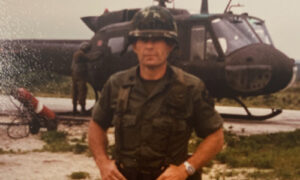
Gretchen Evans on Hope After Military TBI

Image from ESPN Press Room

Concussion & CTE Foundation: What was it like to join the Army in 1979?

GW: It was a couple of years after the end of the Vietnam War. My NCOs were Vietnam veterans. They’d just started integrating females into basic training companies. Our drill sergeants were all males. They got thrown in the deep end of the pool, but they did a stellar job. Their leadership and training were pivotal to my success in the military. Then I went into intelligence. I remember of 150 people that were in my class in Airborne School, there were three females and there were no female black hats in my company. So again, there was a learning curve for everybody. Things have evolved over my 27-year career, from uniforms being separate, to now the same. Now women can serve in every MLS that they can qualify for, and I think that’s awesome. I’m delighted to see that anyone who wants to serve their country can if they hit all the marks.

And then we talk about brain injury. I saw stars a couple of times. We laughed it off and took Motrin to relieve the pain. This last injury, had I not been hurt in other ways, I wouldn’t have seen a doctor and I would have died on the battlefield. I had a swelling brain they caught in time. The medical care saved my life.

Concussion & CTE Foundation: How did your TBI impact how you handled things as a leader?

GW: I needed to write things down. I sat in meetings taking copious notes because my recall was dissipated. I picked and chose what I wanted to remember. I felt like there was a limit of information that my brain could hold, recall, and process. I relied on other people. Also, I was not sleeping well. I attribute this to combat, stress, leadership, all those things – but I really think these things were caused by the multiple head injuries that I had.

Concussion & CTE Foundation: I think that’s commonplace. We want to persevere, and we don’t want to realize we have an injury that’s going to stop us from doing what we want to do. That’s a bumper sticker for TBI and PTSD.

GW: That’s why I love what you do. I went through 90 percent of my career unaware. I don’t want other servicemembers to do that. There are things you can do to mitigate your symptoms and maintain quality of life. That’s what brought Team Unbroken to the surface and that’s why Project Enlist is important. We don’t want these injuries to define who you are or what you can accomplish.

Concussion & CTE Foundation: How would you classify your TBI?

GW: Mine was considered severe. I blew up my eardrums as well as having severe brain swelling. It damaged important nerves in my brain. My biggest symptom is a little bit of cognitive delay. Something as simple as you look at something like a folder, you know what it is, but for like two seconds, you can’t recall what it’s called. 90 percent of the time I’m high functioning, but 10 percent of the time, [not as much].

Concussion & CTE Foundation: You’ve done a great job of mitigating that.

GW: But it can be humbling. That’s another thing I want to touch on. I think people know they have a new injury before they want to admit it. There are signs and symptoms. Bad news is not like wine, it doesn’t get better with age. So, if you think you have a brain injury, you should get checked. It’s a simple process.

Concussion & CTE Foundation: Good point. When you had your serious TBI, you were with a group of soldiers assaulting an objective. It was unique at the time but not going to be as unique moving forward. We’re going to find more women subjected to the dangers you experienced.

GW: It’s only getting bigger because like I said, now women are going to be leading infantry companies in units engaged with the enemy. The amount of brain injuries is going to increase because even in training, people get hurt all the time.

Concussion & CTE Foundation: You can see why TBI is a signature wound of the last 20 years of warfare.

GW: Absolutely. I don’t know if I have any military friends who don’t have some sort of brain injury from being in service. You’re running around, jumping around, dropping out of airplanes, throwing yourself on the ground. You’re constantly putting yourself at risk for head injuries. It’s like playing football every day. Think about how much we wear a soft cap when we’re in a place where you should have a helmet on. A lot of head injuries happen that way.

Concussion & CTE Foundation: I love the picture behind you because it’s skydiving. 

GW: I got to jump with the Golden Knights. In the beginning it was a struggle, getting severely wounded like that. Part of you wants to survive and the other part wants to thrive. You want to start thriving before you’re well enough, so you have a lot of failures. I will say this: the people around me really helped me overcome these injuries. Now I think I’m living the best life I possibly could. I don’t even think about my brain injury until I can’t think about what a folder is or something. I decided that I wasn’t going to let my injury define me. I want to help as many people in my position as I can. I want to advocate for those who can’t advocate for themselves. I’m doing the same thing I did before, I’m just switching uniforms.

Concussion & CTE Foundation: It’s important to take care of yourself so you can help take care of your family and friends and be that person you’re meant to be.

GW: Educate yourself. Part of my healing was learning about my injury. I read things, went to classes, engaged with organizations, Wounded Warriors and all these other people out there that are setting up services. You can learn about your injury and listen to other people who had the same injury as you and how they navigated it. That’s why I think this veteran network we have is powerful.

Concussion & CTE Foundation: You pledged to donate your brain to Project Enlist. Why?

GW: I want to be part of the solution. Even if donating my brain after I’m not using it anymore can help one person, it’s worth it to me. If a doctor can open this thing and look at it and think, ‘oh, this makes sense to me now.’ It could go back to the type of helmets we were wearing. If I donate my brain and they figure out how to help people who already have head injuries or are even born with head injuries, to me, that’s a win-win for everybody.

I’d just like to say to all the female Veterans out there, I would encourage them to donate their brains. We want our granddaughters down the line to get the best care, the best equipment, to prevent them from possibly having a life-altering injury. Let’s all take that pledge and donate our brains to help others.

Join Command Sgt. Maj. Evans and donate your brain to Project Enlist here.

You can read more about Sgt. Maj. Evans by reading her book available here.

Hope with PCS: Kylie Lowell’s Recovery Journey

My name is Kylie Lowell and I am a Peer Support Volunteer for the Concussion & CTE Foundation. Before my concussions I played three sports and was active with my school and community. However, after getting hurt I had to give up the most important thing to me: sports. Basketball was always the sport I gave my body to. I loved the excitement and quickness of the game. While I was in eighth grade I got the opportunity to play on the varsity team. Unfortunately before getting the chance to, I got a concussion – while diving for the ball, a girl from the other team slammed her elbow into the side of my head. From that force, I fell backward and hit the back of my head on the gym floor. I do not remember much of the incident as I had blacked out for a few seconds. I was taken out of the game and did not return to play. I missed out on playing on varsity but I had no idea what was going to become of my future after that night.

The hardest part for me was the loss of sports and my friends. When I knew my sports career was over, I felt like a big piece of me had died. Sports were absolutely everything to me and I could never picture myself without them. Everyone would tell me I was born to be an athlete. Sports were my outlet and I dedicated everything to them because it was what brought me the most joy. To have to sit back and watch everyone else get to play while I couldn’t was and is one of the hardest pills to swallow. About two years into having Post-Concussion Syndrome (PCS), I was diagnosed with dysautonomia which is a disruption to the part of my nervous system that controls breathing, heartbeat and digestion. I went from being able to run up and down the basketball court as many times as I wanted, to barely being able to walk across my yard without feeling like passing out. Going for simple walks, walking up the stairs, or carrying anything over 10 pounds made my heart rate go up to 190 bpm and above. It made my head throb and I felt as though I could collapse. This was and still is extremely difficult for me to come to terms with. I have always been an active person but now have to start over doing very little at a time because of the dysautonomia.

School was also one of my biggest challenges. I had no support from my school and I felt like I was not wanted there anymore. My friends were not compassionate and teachers stopped asking about me. I lost almost all of my friends simply because they thought I was faking and I was not a convenient friend due to my absence in school. When doctors would ask me to describe how I was feeling, I became speechless. I could not find the words to describe what I was going through when the symptoms were not visible. My way of processing information and being able to communicate it became so different. It is hard for me to reach the information I have and communicate that verbally, which is very frustrating.

The emotional toll of PCS was something I never would have expected. No one had warned me of the effects it could have on my mental health. I cannot stand the noise of people’s utensils and plates hitting together; it’s like nails on a chalkboard. There were endless days and nights of making my room completely dark and putting a pillow over my head to try and drown out the sounds. All I could do was sob and scream into my pillow begging for the pain to go away. The pain was unbearable. It was endless. I felt like I was quite literally going crazy. It was so frustrating to have to feel like a completely different person and not understand why. One of the hardest parts was the people around me could not see the pain I was in, so it was hard for them to believe me. After I had lost my friends and took a medical leave I hit absolute rock bottom. I was at home everyday with no contact from my “friends” and I refused to leave the house. At this time I was still not being seen by the correct doctors and had no accommodations to protect me in school. I became isolated and it caused a huge disruption in my family. It was like I had left the world for a few years. I had never felt so alone and like I had no reason left to be around, a feeling I would never wish on anyone.

However, the year after I had hit rock bottom my spirits were lifted for the first time in three years. While desperate for answers we came across the Concussion & CTE Foundation, and the Inspiring Stories section. I started to scan and read these stories of other teenagers with PCS who were experiencing everything I had been trying to put into words. The instant flood of relief and weight off my shoulders was indescribable. I could not believe it. I cried to let it out, knowing that everything I had felt was real and for the first time I knew I wasn’t alone. Two years before I had found the Foundation, I did not see a future for myself and the isolation took over me. Now, I felt a burst of hope and knew recovery was possible. After taking a medical leave my sophomore year, I had begun to think about other schooling options as I did not feel welcomed back to my sending school. I started to attend an alternative high school called Mount Tom Academy. I began at Mount Tom Academy as a sophomore but was able to complete three years of academic classes in two years. I had worked harder than I ever thought possible and completed classes during the summer without teacher instruction. I began to believe that graduation was in my grasp and I wouldn’t be held back by my injury. After starting to get the right treatments I noticed my symptoms were starting to improve. I had learned how to manage my symptoms better and that was a huge help for myself.
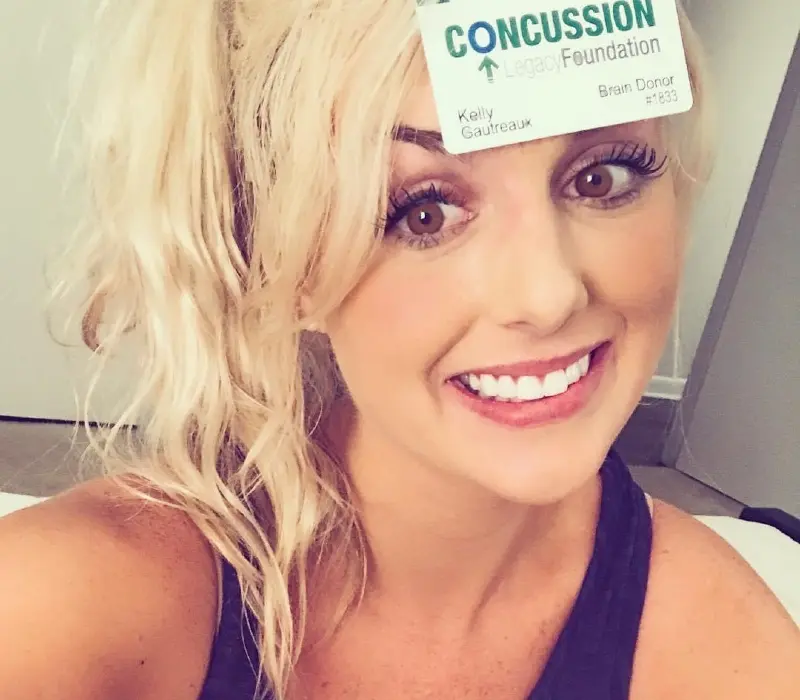
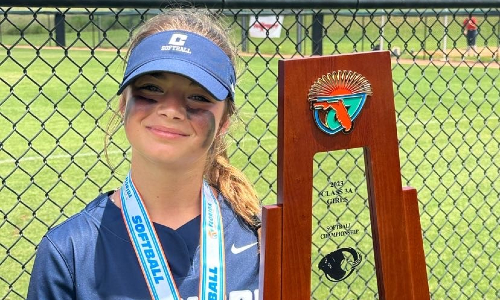
I had been seen by many doctors and medical professionals and none of them could give me answers. It was not until I saw Dr. Neal McGrath that I finally felt like I was not crazy in how I was feeling. He was kind to me and did not question my symptoms. He was the first doctor who started to give me the appropriate accommodations for school. After a few months of seeing him, we had found the Concussion & CTE Foundation and Dr. Robert Cantu. As I started to see Dr. Cantu, my health improved and I was able to become successful in school.

As I have been involved with the Concussion & CTE Foundation throughout my recovery, I have experienced great opportunities in a short amount of time. About a year after I had been mentored by someone at the Foundation I was asked to be in a video for their gala. I told everyone who was watching about me and my relationship with my mentor. I felt so empowered during the process because I knew it would at least help someone out there and that brought me comfort. After having a life-saving experience, I became a mentor to other teenagers. I wanted to give back and hopefully help others like I was helped. I have been a mentor for about two years now and recently I was featured on Boston 25 News. The interviewer had seen my video and wanted to interview me about my concussions and mental health. I was again so thankful to the Foundation and Fox 25 for giving me the platform to hopefully help others know they are never alone.


My advice to others who may be struggling is to reach out. I know it can be scary but reach out to the Concussion & CTE Foundation, me, or anyone else on here because we all understand you. When I was connected with my mentor it helped me so much to be able to talk to someone who understood every single feeling I had when so many others did not. I would also tell you to stick with your gut and know that what you’re feeling is absolutely real even if people tell you it is not. It can be so discouraging when no one will believe you but I believe you. Always stick to your gut and know it WILL get better. I think it is important for people suffering from PCS to know that it is OK to let yourself have these feelings. I have held in a lot of the emotion surrounding my PCS because I did not know what I was feeling was understandable. Although I have lost a lot throughout my recovery, I have also gained a lot of insight that will help others and serve me well in my future. I now get to help others going through PCS and spread awareness and I am extremely grateful for that.


A Pro Snowboarder’s New Purpose After Concussions

Over the last 15 years pursing snowboarding as a career, I’ve experienced many repeated concussions, many of which were second impacts before healing from a previous hit. During the 2019-2020 season I sustained yet another concussion at the Mammoth World Cup. My concussion added to the mental health issues I developed from repeated head injuries over the years and ended up ruining my 2020-2021 competition season and making it impossible for me to compete.

After I hit my head in Mammoth I was seen by a physician. I lied and told him that I felt fine, even after developing a throbbing headache, almost fainting and vomiting as he asked me to do 10 pushups and run for a minute on the treadmill to see if I got dizzy. The only way he knew I felt OK was by asking me, and I lied and told him I was, as I had for many concussions before. I wanted to make sure I didn’t miss out on practice and the World Cup starting the next day. When I went to practice, I realized that I was putting myself at far greater risk, being that I had been experiencing vertigo, balance issues, headaches and couldn’t see straight. I decided to tell my coach I wanted to pull out of the event, and he got upset with me as if I was faking an injury to avoid having to compete in adverse weather. I was taken back by this; I knew if I hit my head again, I could be seriously injured and could possibly do permanent damage to my brain. That day, I left and got on a flight home to Colorado. If only there was a way to back up how I was feeling objectively, with science…

Luckily before the season had started, I received a baseline brain scan from a company that makes a portable EEG device. EEG is a non-invasive brain imaging technique that records the electrical activity of the brain. It has been used widely for several disorders including epilepsy, seizure, sleep, stroke, and to assess brain damage from brain injury. EEG has also been shown to be highly sensitive to post-concussion syndrome (PCS). In recent years more academics and companies have been exploring the use of this technique in the clinic as an objective tool to monitor recovery from concussion and PCS.

Sixteen days went by as I used a light and sound frequency device among other interventions to help me recover, and then I had my two week follow up EEG assessment. I was curious to see what the assessment showed as I was feeling like I had recovered from the acute symptoms, at least from this concussion. In my case, the assessment supported what I was feeling, and I was more confident knowing that the results indicated that I had recovered. This is when I knew that more objective information needs to be integrated into concussion protocols in sports. I feel very confident that if the physician in Mammoth would have also conducted objective measurements after my concussion, I wouldn’t have been able to lie and go back out risking a second impact.

As I mentioned previously, I’ve had 15 years of repeated concussions, sometimes as many as six in one year. Some of them were bad: losing consciousness, vomiting, forgetting where I was, experiencing extreme behavioral changes, etc. Some of them not so bad: mild headaches, anxiety, dizziness, not feeling like myself, saying and thinking weird things.

I started to notice that many of the things I was experiencing are symptoms of PCS. My post-concussion mental health symptoms were not going away, and they were negatively affecting me, my family, and my friends. I knew I was not alone and there were other athletes and families dealing with the same issues. I have friends whose lives and families have been seriously affected by concussion derived mental health issues. Sadly, several of them have died by suicide, are stuck in a 24/7 mental health facility, or are spending their lives using alcohol, and drugs as a way to escape their issues.

I have been traveling around the world since I was 12 snowboarding and have been very fortunate to be able to live this way. So, when I found a way to pay it forward and show my gratitude by spending time contributing to an important cause, I had to take that opportunity.

When COVID-19 hit I had a lot of time on my hands, so in March of 2020, I started a 501(c)(3) nonprofit and formed a partnership with the company that makes a portable EEG brain scanning device. My newborn nonprofit Happy Healthy Brain Foundation (H2B) was started with the aim to help prevent athletes from returning to their sport before it is safe for them to do so.

It took a long time to figure out how the Foundation could help with the concussion and mental health crisis. I realized that I had a history of returning to snow before my brain had healed from concussions and that I couldn’t even remember how many I have had. I spent of lot of time educating myself by reading articles and scientific papers and looking at technology company websites that made products used for treatment management and assessments. I learned that even when we are feeling better, our brain isn’t always fully healed, which further stresses the importance of not returning to play too early.

WAVi Medical, the technology company that manufactures the brain scanning device I used, conducted a 4 year study that was published in the 2020 Journal of Pediatric Rehabilitation Medicine. The study showed that 38% of the athletes returned to play before their brain had returned to their healthy baseline. I reached out to them to partner with the Foundation. H2B’s contribution to the mental health crisis is to ensure safe, objective return-to-play protocols for athletes following a concussion or head injury. This would help prevent chronic concussion symptoms that can negatively impact athletic careers, mental health, and family life.

Our primary goal is to perform baseline brain scans on all high school age athletes that participate in concussion prone sports, so kids do not return to play before their brain has fully healed. After we have accomplished this goal, we would like to give the rest of the community the opportunity to have baseline brain scans. I know it is a pretty big challenge, but that is why I started H2B. The H2B team wants to help educate and create awareness so the parents and kids in the community understand the seriousness of concussions. You can break your arm, get a cast, and see that it has healed, but you can’t track the recovery of your brain without measuring it.

Our Foundation’s mission is to raise funds to create and support ecosystems of brain care that modernize the standard of concussion management for athletes. We are starting this initiative in Eagle County, Colorado and will hopefully expand to other areas to help make the concussions protocols in sports objective. Our Foundation’s vision is to ignite a cultural shift that adopts a new objective standard of brain care through the latest technology advancements.

I think it is important that we come together as a community to recognize that returning to play before your brain has healed plays a role in contributing to the mental health crisis.

Why I Stopped Playing Football at Age 17

My name is Matthew Solomon. I have loved football for as long as I can remember. No other sport has captured my heart and soul the same way.

Football is a very intricate sport, one that I think many people don’t fully appreciate. Small nuances can make the difference between a hard-fought win or loss. Every game is an exciting adventure to watch, and with only a few games each season, every week counts. Whether you are a player or a fan, when your team is winning, there is no greater feeling of pride.

And the people behind the sport? Football players are a different breed. They may be strong or fast, or both, but always tough, even fearless. Yet in football, no individual alone can carry a team. The whole is always greater than the parts and being part of a team is like a second family. You work together, celebrate together, and share disappointment together. That camaraderie is very powerful, and sometimes even the underdog can achieve incredible victories.

Over the years I played flag football then progressed into tackle. Outwitting, outmuscling, or outrunning an opponent is thrilling. Scoring a touchdown is the greatest feeling in the world.

My brain injuries didn’t start until my freshman year of high school when I blocked a punt with my head. I don’t even really remember it. It was near the end of the game and my adrenaline was running so high, I didn’t start to feel the concussion symptoms until that evening.

After dinner, I saw my school doctor and was placed in a dark room to recover. The doctor alerted my parents, coaches, and teachers, and the return-to-play protocol was slow and thorough. I was told to stay off my phone and my computer. My head hurt and I had a heightened sensitivity to light. I was lethargic and slept a lot, and I wasn’t very hungry. After about 36 hours at the health center, I was sent home for the weekend to rest and was instructed not to read or watch TV. I missed the last football game of the season against our biggest rival. I was sad to miss such a fun tradition at my school.

The next week I went back to class to listen. My teachers were told not to expect that I participate, do homework, or take any tests. The following week catching up on schoolwork was a bit stressful, but I got to go back to the trainer under our return-to-play policy. I was tested for headaches while increasing my workout activity each day before I was allowed to go back to football practice.

The following season, upon falling to the ground after a tackle, I had an awful feeling that I had injured my brain again. I recovered quickly from that hit, but later the same season, I was stiff-armed by a much larger player in a practice and once again suffered a diagnosed concussion.

I knew in my heart that this could impact my long-term health. The concussions seemed to come easily. The risks were becoming great. I was missing school, friends, and time just being a teenager. I see NFL players, some of the best in the world, suffer concussions right before my eyes. I read about CTE and the things that it causes some people do, how they suffer, and maybe hurt others. I see the struggle my grandparents go through with my grandfather’s dementia. Brain health is so fragile, yet so critical to leading a healthy and happy life.

I was angry and sad. After letting it sink in for a bit, and talking to my coach, we decided I would finish the season as a student assistant coach. Aside from helping the coaches at practice and games, I watched film and logged team stats. I was on the sidelines with the squad through all the ups and downs. I love this game whether in pads or not.

I stay active and have fun in many other ways. Health and fitness are very important to me. I enjoy weightlifting and I run track in the spring. At school, my friend and I started a “rec games” club where we’ve played kickball, capture the flag and other non-contact sports.

I took an online scouting class during the Covid-19 lockdown, track football stats in my free time, participate in a number of football chat rooms, and have fantasy drafts with my friends. I hope to study sports management and work in the professional sports industry someday. I love this game. I always have and I always will.

Every student-athlete has different goals and experiences. I find competing very exciting, and I love the camaraderie of a team. The important thing is to be true to yourself. For me, that means prioritizing my brain health for my future.

If you think you have sustained a concussion, tell a coach, see a doctor, and take the necessary time to heal. If you think you see someone else suffer a concussion, speak up.

Controlling Your Mental Health is Key

My whole life, all I wanted to do was to work with kids and help change their lives for the better. I played college football so I could get my degree and work in education to help kids. I wasn’t the best student, but I knew football could put me in a position where I could control my circumstances after college.

I played hard to earn and keep my scholarship. During my career I suffered multiple concussions that I wasn’t aware of. I was negligently put back into games, which only made things worse. I was playing through concussions that I didn’t remember or understand. At one point, my dad had to leave the stands and step in to tell trainers to keep me out of the game.

I’ve been through it all after my football career ended. I have experienced the lingering effects of multiple concussions. I’ve developed epilepsy, which induces grand mal seizures. These seizures are unpredictable, scary, and immensely painful. My shoulder would dislocate so often during these seizures that I had doctors drill a titanium screw in my shoulder to keep it in place. I’ve also had laser ablation surgery to get my seizures under control. Doctors have told me I’ll never be epilepsy-free, but my seizures are less severe and less frequent than they used to be.

I’m ecstatic with where I am now in my life and the control I’ve gained over my mental health, but it wasn’t always this way.

Football was supposed to be my gateway to the life and career I wanted. I always had the energy and passion to work with kids and help others. But suddenly, I didn’t want to be around anybody. All that passion was gone.

I had no sense of control. I couldn’t control my seizures, my memory, my anger, my depression, or any aspect of my mental health. As a result, I couldn’t accomplish any of the goals that used to be important to me. I couldn’t work. I couldn’t be the father I dreamed of being. I had lost control – and there is no scarier feeling.

Think about driving a car. If suddenly you lost control of where the car is going or how fast it’s going, something tragic would happen to you or to others. But if someone sees you driving a car towards them, they would be very scared. That’s exactly how I felt. I couldn’t control who I was, and the outside world couldn’t understand my reality.

My spiral out of control led me to the brink of homelessness. I had lost the people who could support and take care of me. I decided to take control of my life, my narrative, and the man I wanted to be.

The first thing I could control was getting medical care. I met doctors who believed they could help me. The surgery helped get my seizures in check, but there wasn’t a surgery to help my declining memory or my lack of emotional stability. To help navigate my new world, I learned the power of communicating what I was going through.

I couldn’t control my symptoms, but I could control how much people knew about them. It’s very hard to admit you have an invisible injury and open yourself up to the judgment that might come from that. But I learned that explaining my brain injury history allowed people to accept me in a different way. By explaining how I might have the occasional seizure or outburst or how I might struggle to remember things, people could meet me where I was.

Once I could communicate my situation, I found gracious employers who accepted me and the problems I face. My current employer, Rivian Electric Adventure Vehicles, allowed me to work. They respected my reality, valued me for who I am, and developed protocols for how to respond if I had a seizure so I could become a productive individual in society.


Having financial control of my life again is amazing. I don’t have to rely on others to provide for myself or for my daughters. I am reminding myself of what I am capable of. I can work. I can buy things. I can go on runs and work out again.

Rivian’s company slogan is “keep life adventurous forever.” Returning to normal life after what I’ve been through has been an adventure. I’ve had to brave the unknown and adjust to a new reality. But I am so grateful for the opportunity to do so. I hear other people complain about going to work every day and I will never be one of those people. I am humbled to get up and go to work every day and to be in control of how I feel at work every day.

I’ve lost a lot and know the journey ahead won’t be easy, but at least I’m in control again. I want the next generation of football players to be in better control of their mental health than I was.

Don’t get me wrong – I love football. I still watch the game. I played defensive back and I understand how difficult it is to keep your head out of tackles, so I get upset when I see players get ejected or penalized for targeting. We should try to limit the amount of head-to-head contact as much as possible, but I worry we are focusing too much on penalizing the big hits. We also need to focus on making sure players with concussions are comfortable speaking up about their symptoms. We need training staffs to give thorough concussion evaluations to players after big hits. And perhaps most importantly, we need to be looking after athletes’ mental health after they suffer concussions. Kids playing football, chasing their dreams, shouldn’t have their lives and their futures destroyed from playing the game. Our brain is the most important tool we have, and we shouldn’t sacrifice that for football.

That starts with us as players. People on the outside can’t tell if you’re struggling unless you let them know. I want players to be able to say, “I’m scared. I’m hurt. I’m in pain. I’m out of control.” We look like these big, strong people who are invincible. But we need to get away from being silent about what we’re feeling.

But we also need allies. So many people are in invisible battles with brain injury, mental health, and mental illness. If you see someone struggling and you don’t understand why, consider the root cause of their problems. They might not be in control of their situation.

I give the Concussion & CTE Foundation a pat on the back on behalf of people like me. Knowledge and understanding are essential. The Concussion & CTE Foundation and other organizations in the space are key to education the public and supporting the brain injury community to move forward. Thank you for the platform and allowing me to be an advocate for others.

October 2022 Update to Adrian’s Story

I was motivated to write another update on my story because the idea of control continues to be a constant in my life.

First, the death of former Denver Broncos receiver Demaryius Thomas in December and his CTE diagnosis this summer was very alarming to me. Demaryius Thomas died of a seizure. I have had hundreds of seizures due to my epilepsy. People in the epilepsy community live with a fear of sudden unexpected death. Demaryius’ death and diagnosis were reminders of the realities of what I’m up against and the lack of control I have.

Second, I’ve lost my job and my marriage in the past year. These losses have been painful and made me reflect on certain things.

I lost my job because I was having seizures at work. As I wrote in my last story, I underwent a surgery that helps to limit the severity and frequency of my seizures. That has been extremely helpful for my day-to-day life, but my job had me working around lithium batteries. Lithium exposure can trigger seizures, so my job became unsafe for me. There’s another example of control – my disabilities limit the amount of work I’m able to do and therefore hurt my ability to support myself and my family.

I came into a relationship sick and lost. While I was figuring out my health situation, my health put stress on those around me and made it difficult to being a man living in a no-excuses society. Ultimately, I don’t want others to be miserable trying to be there for me.

I know there are plenty of other people with brain injuries who have been separated from their families. My message to them is to continue doing the best with what you have.

Our brains control everything. And injuries to our brains can therefore change everything, too. It’s extremely hard for people like me who live with brain injuries. We are constantly fighting to be the people we once were. We are fighting against society to tell them we have these disabilities. We fight through physical and emotional pain we can’t control.

We can apologize for the pain our brain injuries have caused others. But we can’t apologize for getting up and trying our best to survive in a world that’s not equipped for our disabilities.