A Hall of Fame Yale Athlete’s Message of Hope Battling Suspected CTE
Keaton Kennedy
Ricky Sullivan
A Former College Soccer Player on Keeping Hope After Concussions
Trying to Power through Concussions
By the time I was 20 years old, I had suffered seven concussions from playing soccer.
That’s not a number I ever imagined would define how I lived. Like so many athletes, I thought toughness meant enduring the pain. We push through pulled muscles. We train when we’re sick. We feel disappointed in ourselves if we take a day off. I believed loving the game enough meant I could overcome any health problems.
My third concussion in November of 2023 showed that wasn’t true.
It wasn’t just a hit to the head. I broke part of my neck and suffered a brachial plexus injury in my shoulder. An ambulance rushed me from the game to an emergency room, where doctors said my injuries were similar to what they see in motorcycle crashes. I will never forget the feeling of being unable to move my arms as shock flooded my body. Even now, it’s hard to fathom how one bad soccer tackle could cause so much damage.
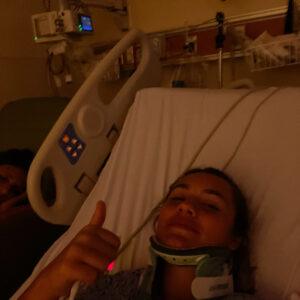
But my 15-year-old self’s love for soccer took precedence over everything else, including my health.
For months, I went through rehab, recovery, and training just to get back on the field. Looking back now, this period is around when I first started noticing changes in myself. But soccer was my whole life, and headaches weren’t going to stop me. When concussion number four occurred, I just kept soldiering on. If I overcame number three, I could get past this, too.
That mindset carried me all the way to my seventh and ultimately, final brain injury.
Making Dreams a Reality
Playing college soccer was always my dream. Both of my sisters played collegiately and I was determined to follow in their footsteps. When I signed that paper to play at Chico State, it was a happiness I had never felt before. All the difficulties of my past felt justified.
But walking the hallways my senior year of high school, I often felt off. Some days the headaches were so bad I sat in my car and missed class because I couldn’t bear the light or the sound of the bell. Still, I kept those struggles buried deep inside because what I wanted most was to put on a college jersey and play alongside athletes I admired.
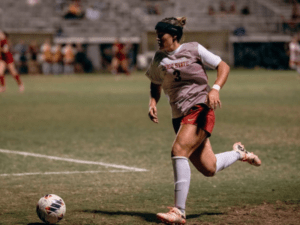
My first season of D2 soccer in 2024 felt like a culmination of all my dedication and sacrifice. My jersey was #3, a number I had used since I was three years old. I passed the fitness test. I practiced. I played substantial minutes. I scored my first and last collegiate goal. I made the travel roster. I did all of it while pushing myself further than anyone could possibly know.
I was happy and content. I complained about training some days, just like any other athlete. I took it all for granted, because I could have never imagined being done playing before graduation.
Then, on a cold March spring morning at practice, one final hit to the head brought my soccer career to an end.
This part is hard to write about because I don’t remember much. That final injury forced me to take a step back and truly reflect on the damage done to my brain. I found myself grieving not just the loss of soccer, but the loss of who I once was. I am not the same person anymore. My brain has undergone changes and I see the world differently now.
Some days the headaches are so severe I can’t open my eyes. Other days the brain fog makes me lose track of what I’m saying mid-sentence. I read a single line and immediately have to look away because the strain is too much.
But in spite of all these difficult moments, one thing has never wavered: my hope.
Living with Hope for the Future
Recently, I tested that hope in a way I never expected: running my first half marathon. It was harder than anything I’ve ever done since leaving soccer. But my goal wasn’t a fast completion time or receiving a medal. It was proof. Proof I could still push my body despite a brain injury. I finished in under two hours and have never felt so accomplished.
Crossing the finish line came with consequences; a migraine afterward, a reminder my body still speaks in symptoms. But I had prepared with intention. I listened, adjusted, and navigated my body’s limits without surrendering to them.
That race taught me strength doesn’t mean pretending nothing hurts. It means moving forward, aware and proud. My body and brain are different now though still very capable. If given the choice, I would do it all over again. Not because I ignore the pain, but because I honor the process it took to get there.
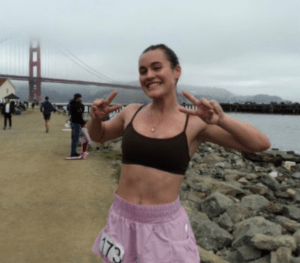
I know I may never be the same and might live with these issues for a long time. Still, I refuse to give up on creating a new life and discovering the parts of myself that were overshadowed by being an athlete. My story doesn’t end just because soccer did.
I’m sharing my story not because I’ve yet recovered, but because I’m still fighting. I want to spread awareness about concussions, especially in soccer, where these injuries are too often minimized. When my doctor explained the consequences of continuing to play after my most recent concussion, it wasn’t a list any young athlete should have to hear. No game is worth a lifetime of pain without fully understanding the risks.
If you’re an athlete struggling and wondering if what you’re feeling is “normal,” please know you aren’t alone, and you aren’t weak. I still have to remind myself of this at times, because even now my brain tries to convince me otherwise.
During rehab, my trainer gave me an assignment. Before I could be cleared to return, he told me to talk to my loved ones and ask whether I should continue playing soccer or stop completely to prioritize my health and future. Every single one of them chose the latter.
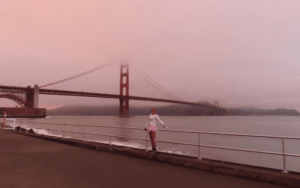
They knew how much joy soccer brought me. They knew how determined I was to come back and how painful it would be to lose the game. Despite that, they still chose my health because they loved me for who I am, not for my athletic prowess. In that moment, I realized I wasn’t just a soccer player in their eyes. I was a daughter, a sister, and a friend. A person whose life mattered beyond the field.
You don’t have to be fully healed to remain hopeful. Whenever you have a positive day, let that hope become your whole personality. Shine brighter than you ever have. And during those tough moments, remember those better times. Reach out to the people who give you strength. Even if it seems far away, one day you’ll feel at peace.
Don’t give up on your future just because it looks different than what you might have planned.
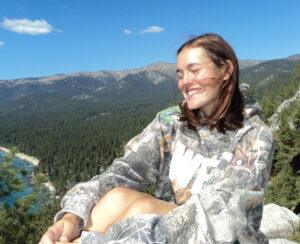
As former soccer player Christen Press said on Instagram:
“I let go of football before I felt ready. There’s grief in an unwritten ending, a story mid-sentence. But somewhere along the way, what felt like failure became freedom. If you’re in your own in-between—half shed, half holding on—be gentle. Growth doesn’t ask permission. It simply continues.”
Chuck Ehin
Tommy Brasher
Tim Zaniboni
Warning: This contains mentions of suicide that may be triggering to some readers.
A Lifelong Love of Athletics
My husband Tim was an athlete long before I met him. Even after his playing days were over, sports remained the heartbeat of his life.
Tim played hockey, baseball, and football, dedicating himself fully to each sport. The latter two carried him through college at Massachusetts Maritime Academy, and he went on to play semi-professional football after graduating. Athletics weren’t just games to him; they meant discipline, identity, brotherhood, and passion.
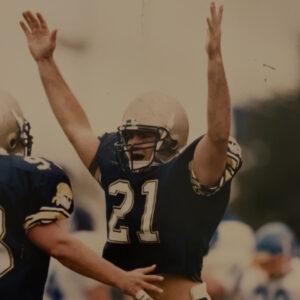
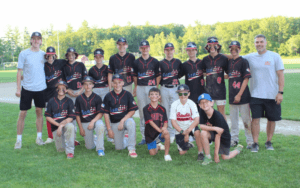
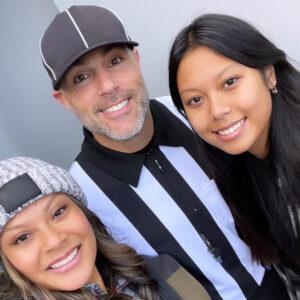
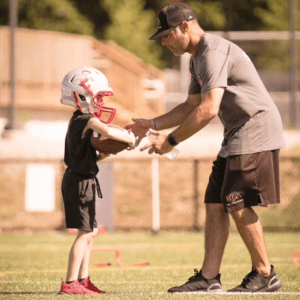
After Tim’s competitive years, he never stepped away from sports. He served as an umpire, referee, and coach in both baseball and football. He poured his heart out and shared his knowledge with every young athlete who came his way, continuing his lifelong love for sports while mentoring the next generation. The field was where he felt most alive.
A Changing Relationship
I met Tim in 2020 and we were married in 2022. He was smart, deeply kind, and protective of the people he loved. His gregarious personality was only surpassed by an even bigger heart.
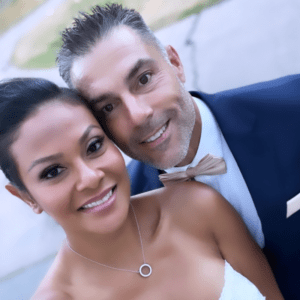
In 2021, Tim began experiencing seizures which occurred almost monthly for the following two years. On May 30, 2023, he had four seizures in a row, and I rushed him to our nearest emergency room. After being admitted, Tim underwent CT scans, MRIs and sleep studies, but we were never given clear answers as to the cause of these seizures. His medications were adjusted multiple times until they found one that helped. They didn’t stop entirely but became less frequent, about once every five months.
In November of 2024, some of Tim’s symptoms started getting worse, including paranoia, anxiety, and changes in his thinking. What had been subtle became more pronounced. I made the difficult decision to move out, but only seven minutes away, so I could be close if he needed me. We remained connected, speaking every day and seeing each other weekly.
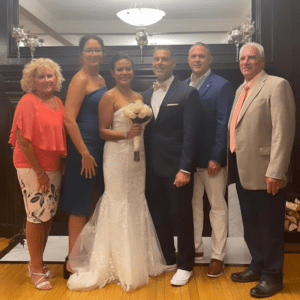
In August of 2025, we recommitted to working on our marriage, but Tim’s mental health declined rapidly and made that a challenge. Along with his paranoia and anxiety, he also developed auditory hallucinations and fell into a deep depression. In October, Tim was involuntarily admitted to a behavioral health hospital and diagnosed with bipolar disorder and OCD. He was prescribed Prozac and antipsychotic medications, but nothing seemed to help. He was hospitalized once again in November, with his treatments being stopped and adjusted.
For a little while, Tim seemed stable. Then we had to say goodbye to his dog, Cali, because of her declining heart condition. That loss deeply affected him, and his depression intensified.

Tim was admitted a final time in January 2026 and discharged himself shortly after. Over the following weeks, he struggled profoundly. I tried to offer him hope: plans for me to move back in, getting a new puppy, rebuilding our life together. But toward the end, he withdrew from much of the world and isolated himself.
Suspecting CTE and Tim’s Lasting Legacy
Yet even then, Tim and I spoke every day. We continued seeing each other every week. I knew the man I loved was still there. He was fighting something heavier than any of us could see.
Tim often told me he suspected he had CTE. After one particularly severe seizure, he told me he wanted his brain donated to research. He wanted clarity; if not for himself, then for others.
The man Tim was at the end of his life did not resemble his true self. Tim was intelligent, funny, loving, and loyal. He was an athlete, coach, mentor, son, brother, uncle, godfather, stepfather, and my wonderful husband. Tim’s years of suffering do not define him. What he leaves behind is his dedication, unwavering passion, and warm heart.
Tim ultimately took his own life on February 10, 2026, at the age of 47. After his passing, I fulfilled his wish and donated Tim’s brain to the UNITE Brain Bank where it is currently under study.
By sharing Tim’s story, I hope to honor who he was and contribute to a greater understanding of how repeated head trauma impacts brain health and other behavior. If his donation can help bring clarity, awareness, or healing to another family, I know he’d be so proud to have this be part of his lasting legacy.
_____________________________
Suicide is preventable and help is available. If you are concerned that someone in your life may be suicidal, the five #BeThe1To steps are simple actions anyone can take to help someone in crisis. If you are struggling to cope and would like some emotional support, call the 988 Suicide & Crisis Lifeline at 988 to connect with a trained counselor. It’s free, confidential, and available to everyone in the United States. You do not have to be suicidal to call.
Are you or someone you know struggling with lingering concussion symptoms? We support patients and families through the Concussion & CTE Foundation HelpLine providing personalized help to those struggling with the outcomes of brain injury. Submit your request today and a dedicated member of our team will be happy to assist you.