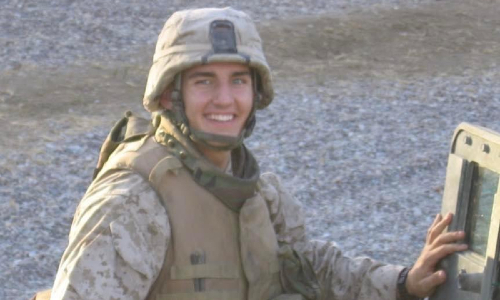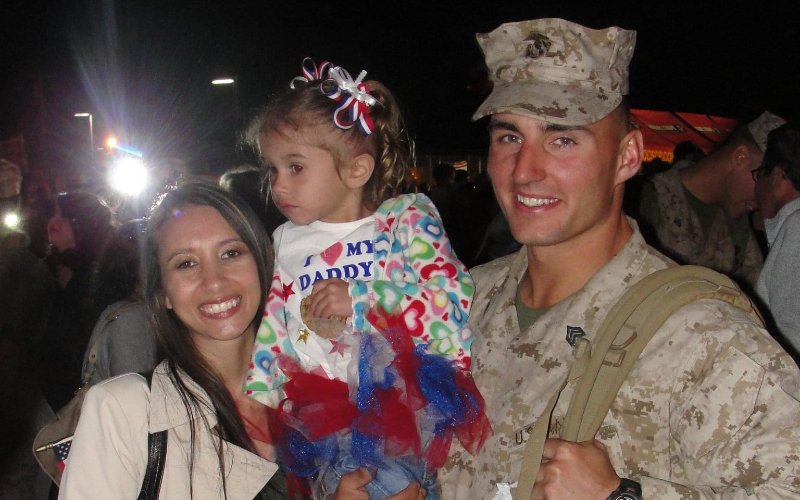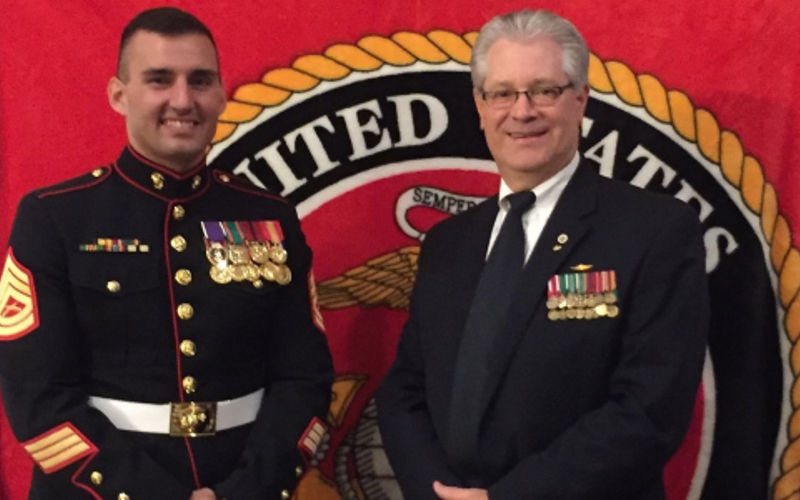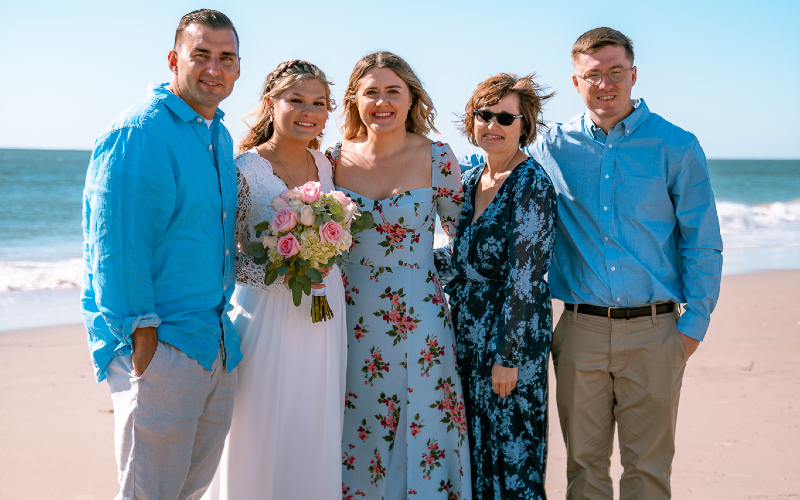
Scott Heisler

Warning: This story contains mentions of suicide and may be triggering to some readers.

Tenacious: not readily relinquishing a position, principle, or course of action; determined.

My brother Scott was nothing if not tenacious. It’s the word my mom used most, when describing his personality. Determined for sure, and always with an ornery little twinkle in his eye!
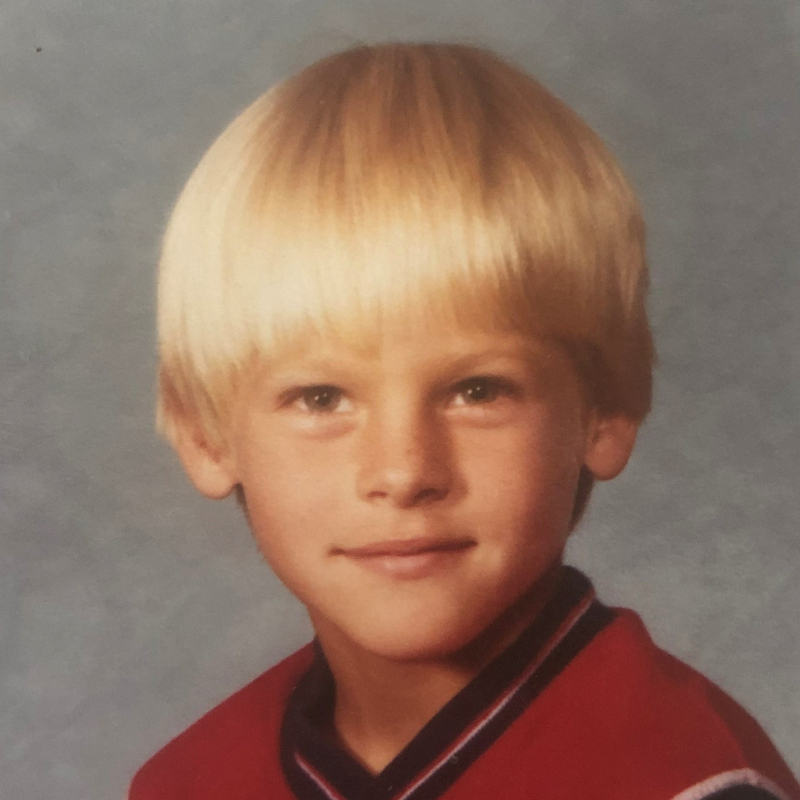
As a small child Scott was an early walker and then an early climber – of all things. When he was only two years old, he was caught halfway up a light pole during one of our dad’s slow-pitch softball games. The umpire stopped the game and asked whose kid was up there. Can you even imagine?

He also learned to ride his bike early, at just three and a half. He could ride it but couldn’t stop. A problem he solved by simply putting his feet down, which is why he always had bruises on the back of his calves… from the bike pedals hitting them each time he “stopped.”

Scott had lots of energy as a child. Our mom had him tested for ADHD because of his hyperactivity, impulsivity, and inattention. During his testing though, he was perfectly behaved and played nicely with his toy cars the entire time. Almost as if he knew exactly what to do to get out of the appointment. Since we didn’t have the information or help back then that we now have for these types of disorders, my brother was never officially diagnosed.
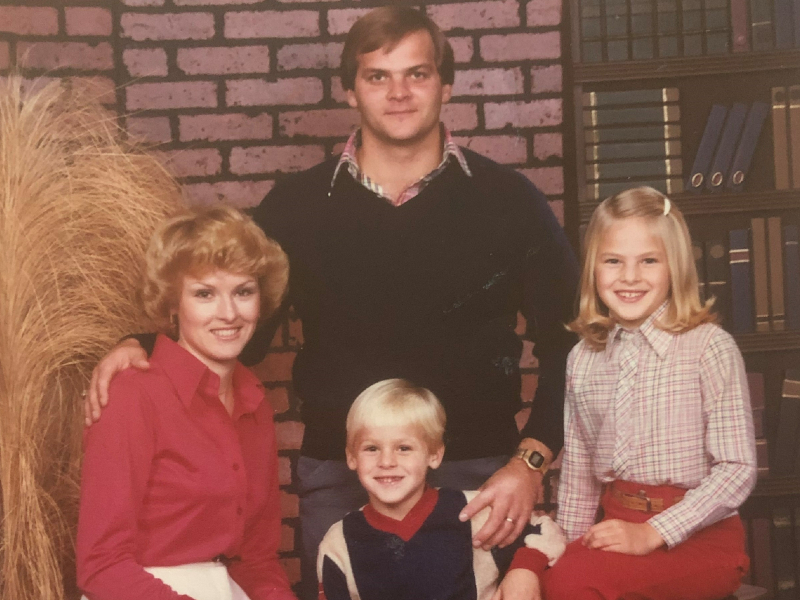
Scott was also very athletic, involved in several sports growing up. He started out playing baseball, like most young boys at that time. We moved from our small town of Oskaloosa, IA, to Des Moines, IA, before Scott’s 4th grade year. That fall he started flag football with our dad as his coach. He found his sport of choice! He would also try out wrestling and track along the way, but football was his constant, his passion.
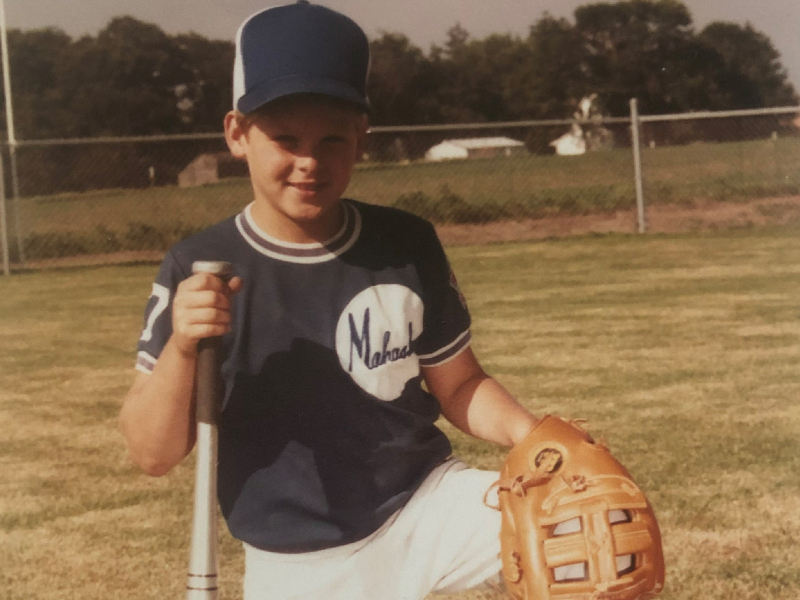
He progressed to playing tackle football in 6th grade. We just didn’t know then; all we know now.
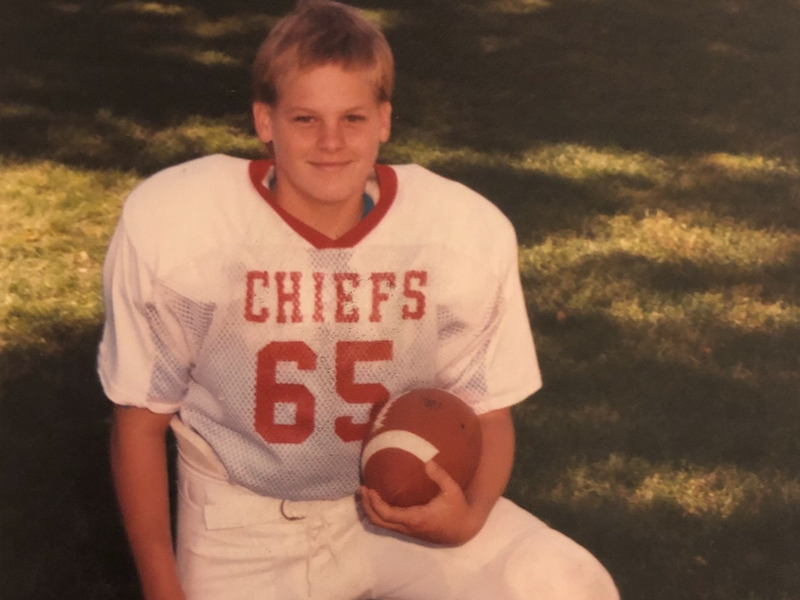
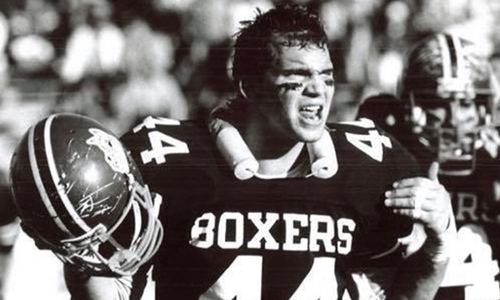
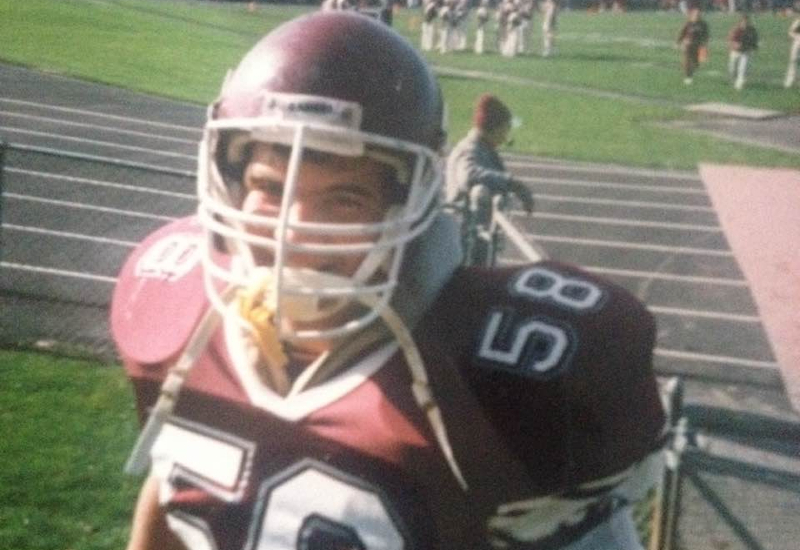
Scott played tackle football for the Des Moines Catholic League from grades 6-8. He then played four years for his high school team, the West Des Moines Valley Tigers. He made varsity from grades 10-12, making 1st Team All-State Defense as a senior. There were never any reported concussions during those years, but Scott played hard, giving 100 percent on the field and at practice. He loved the sound of helmets cracking, loved “hitting hard.” Again, we simply didn’t have the knowledge in the early ‘90s that we have now. If only we’d known.
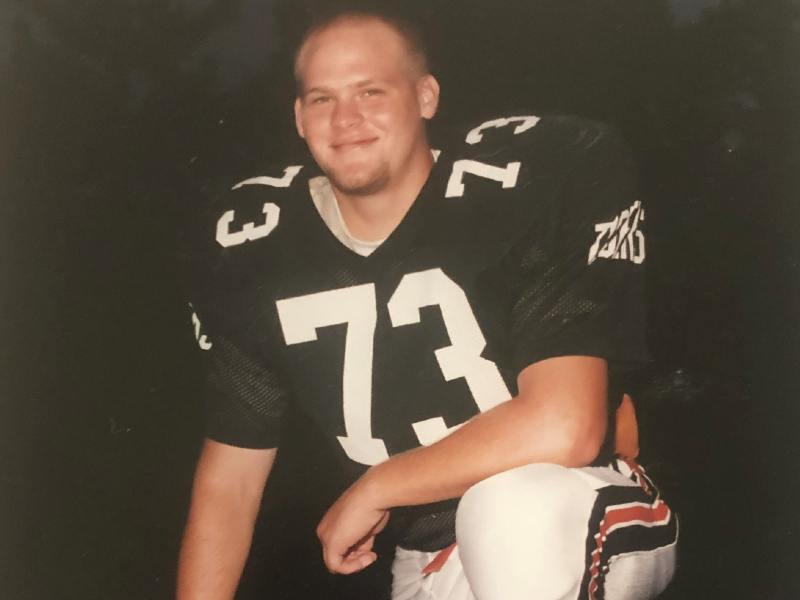
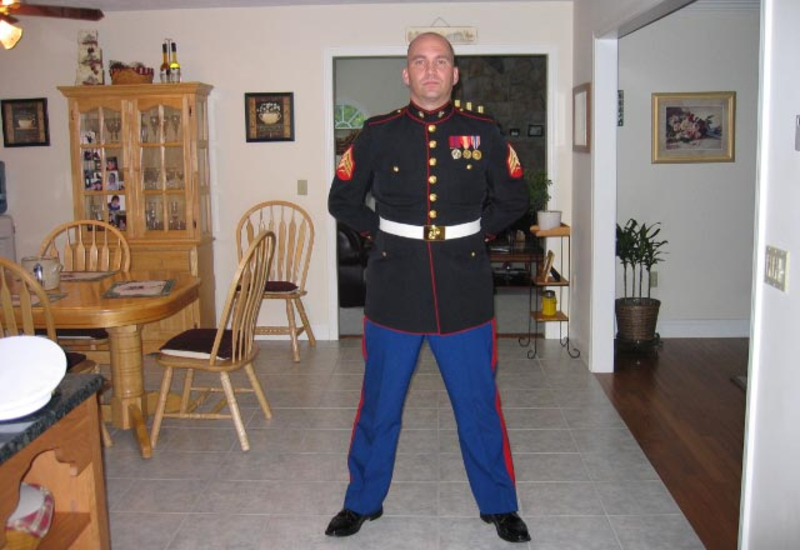
After giving college a try for one semester, Scott decided to enlist in the Marine Corps. He did so without much discussion with our parents, typical of him because he could be very impulsive. I think he also liked the idea of being a Marine and what they stand for: honor, courage, and commitment. He saw them as the best and the strongest of all the lines of service.

Our dad recalls Scott’s four years in the Marines:

“Scott enlisted in the Marine Corps in December of 1994. He went to basic training in San Diego at the MCRD for three months. While in bootcamp he was exposed to many instances of blows to the head and entire body during self-defense and combat training.”

His permanent station was at Camp Pendleton in California. His MOS was a TOW rocket operator (tank assault team) which obviously included being around explosions, concussive blasts, and other explosives.

Scott was recruited to be a member of the Marine Regiment football team. He played three years and made All Base team twice. I would compare the level of competition to be similar to NCAA Division II but in much more “aggressive manner.”
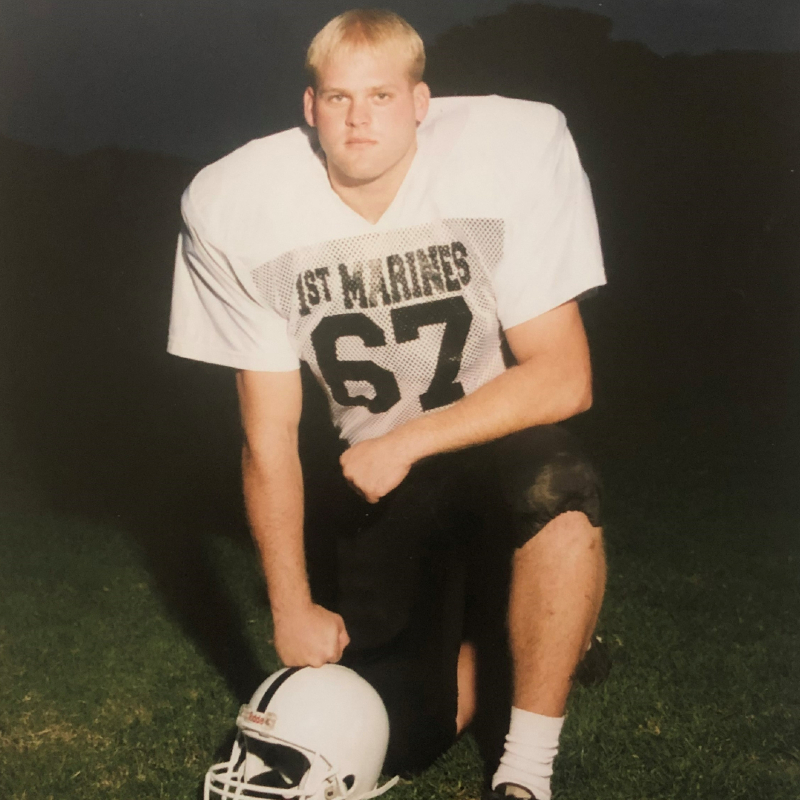
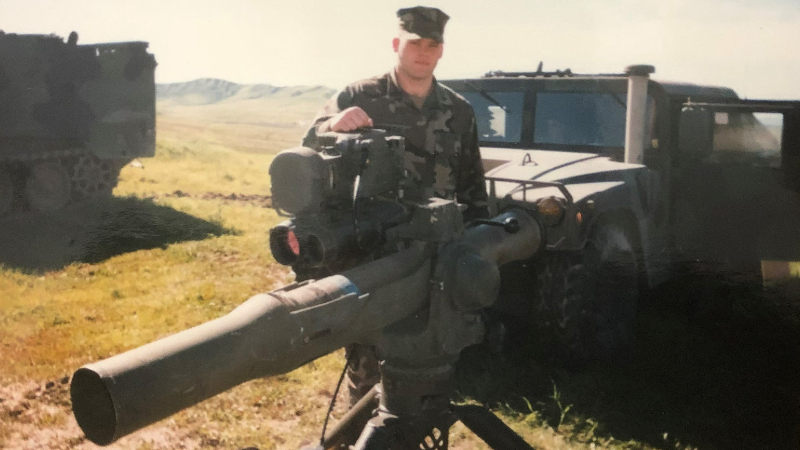
I know for a brief period he and some teammates were using PEDs, obtained from across the border in Mexico.

Scott was the victim of an attack by another Marine while on duty in Arizona, patrolling the border. The fellow Marine struck Scott in the back of the head with a lead pipe. He spent at least one night in the hospital after this attack.

My brother completed his four years in the Marines and returned home to Des Moines in late 1998.

He returned to school at our local community college the following spring, then got married a year later. It was during this time Scott started to struggle with alcohol. He had been drinking since high school, but this is when we all saw the abuse begin. In hindsight, I think this might also be when he started to “self-medicate” with drinking, for reasons we still didn’t understand.

Scott was larger than life, a big personality who loved to have a good time. But he could be having fun and suddenly get pretty loud and opinionated, which sometimes got him into trouble.
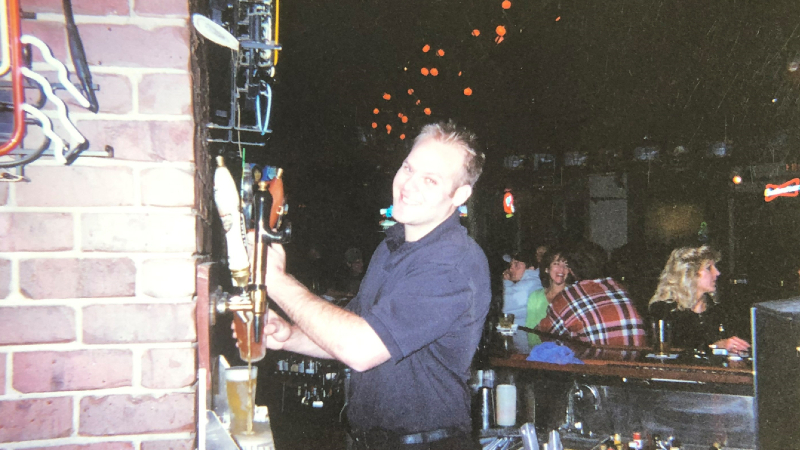
One of those times was in the spring of 2001. He was out with friends and had had way too much to drink. He ended up in an altercation when leaving the bar. He was pulled out of his car and beat over the head with a Maglite by three attackers. He was beaten to the point where he was unconscious. The first responders on the scene told police that they didn’t expect him to make it. Scott spent two nights in the hospital, the first in the ICU with severe brain swelling. He clearly had a concussion from this incident, but to all of our recollections he didn’t do any sort of therapy to help with his recovery. Another example of, “if only we had known…”

Scott got divorced shortly after. Fast forward to the summer of 2004 and he was still struggling with alcohol, having also gotten at least two DUIs by this point. He was working as a bartender at a popular neighborhood bar and attending classes at Grand View College to complete his degree. Despite the setbacks he experienced with his excessive drinking, life was good, and he was having a great time.

Scott also met who would become his second wife that summer. They had a lot of fun together and dated intermittently for several years, before marrying in 2010.

His ex-wife has said, “His goal was always to make others laugh.” When they were first dating though, my brother was convicted of yet another DUI which resulted in him being sentenced to a work release facility for almost a year. It was during this time he picked up running, to pass the time. His ex-wife remembers:

“He was incredibly determined and needed something positive to pour his energy into. Given his athletic abilities, he was a natural runner. He started signing up for half marathons, marathons and eventually took on triathlons and then an Ironman. Scott’s desire to beat others and his own personal times kept him motivated throughout the years. He always needed a goal. His race accomplishments made him seem supernatural!”
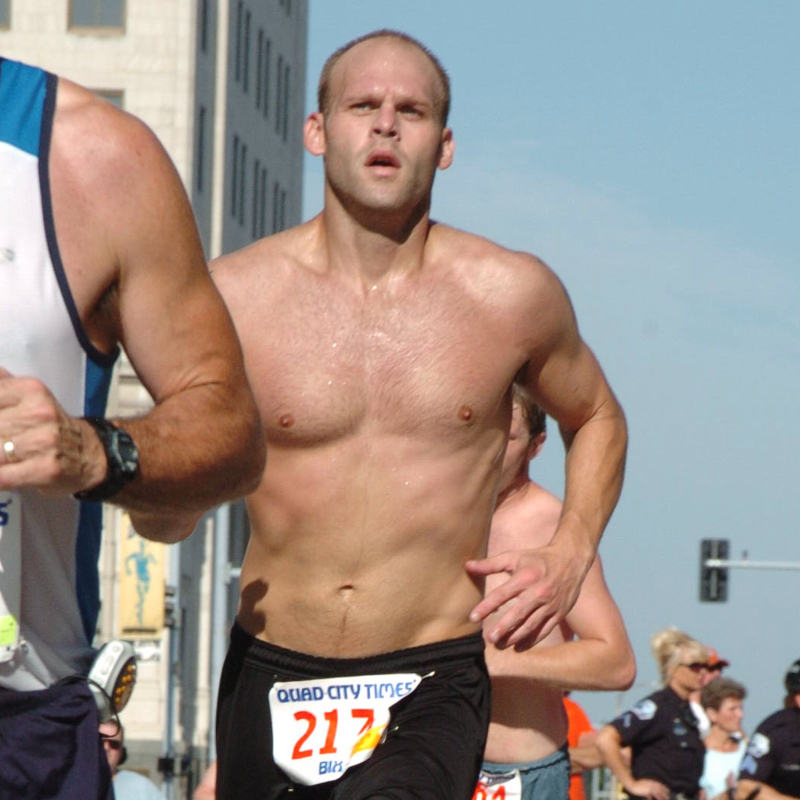
She also said, “Scott’s competitive drive is the reason I also started running and eventually signed up for my first half marathon. He helped me realize I could do it. He saw a drive in me I never knew existed.”

I love that memory of Scott – of him being able to inspire his ex-wife to become something greater than she even realized she could be. One of his longtime high school friends shared a similar feeling about him:

“Scott was an encourager. Sometimes bad, but I would never have started running without him. I still hear his voice late in a workout or when things get physically hard saying, ’Don’t give up, let’s go!’ A lot of my best finish times came from fear of being chased down by Scott late in a race. Once I could get out in front of him, I did not want to hear him say something as he was passing me. And you know he would always have a smart remark!”

Scott and his ex-wife had a daughter in 2014, then divorced a little over a year later in 2015. She said, “During our time together, Scott drank too much. He hid bottles throughout our house. He said he had a hard time falling asleep, so he’d take Benadryl late at night to help. We fought about that, and the drinking, a lot. Eventually, I couldn’t live with it anymore.”

Over the next five years, they tried to be a family again a couple different times but just could never make it work. It often had to do with his alcohol addiction and major mood swings.

My brother, my beautiful, beautiful brother. He was struggling more than any of us knew. Again, if only…

During the summer of 2016, I remember my parents threw out the idea that Scott was possibly suffering from CTE, in response to some erratic behavior he was exhibiting. I completely blew it off, scoffed even, that they were simply making excuses for his bad behavior. After all, he hadn’t played football in 20 years! I wrongly assumed (did not take the time to inform myself) CTE could only happen to football players, and it showed up shortly after they were done playing. I could not have been more wrong.

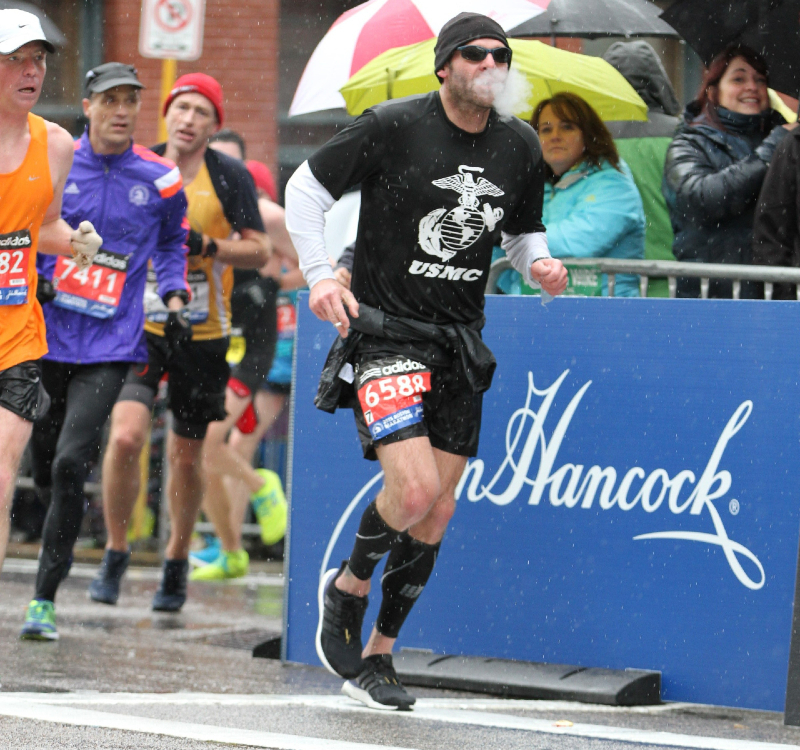
From 2015-2020, Scott competed in countless races. Running was his other addiction. He loved the challenge that triathlons gave him but running was his passion. He was an incredible runner. So fast. He participated in our local IMT Des Moines Marathon every fall and was able to qualify for the Boston Marathon with a qualifying time of 3:07. He then ran Boston in 2015, finishing in 3:30. That year, the weather was especially bad. It was cold, rainy, and windy. Brutal conditions for my brother, who was an absolute lover of the heat.
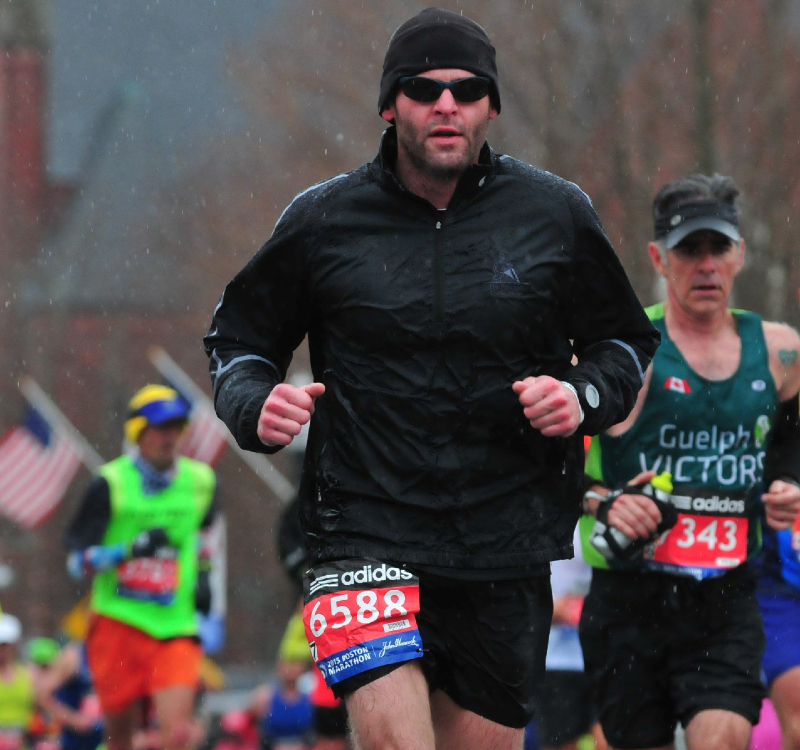
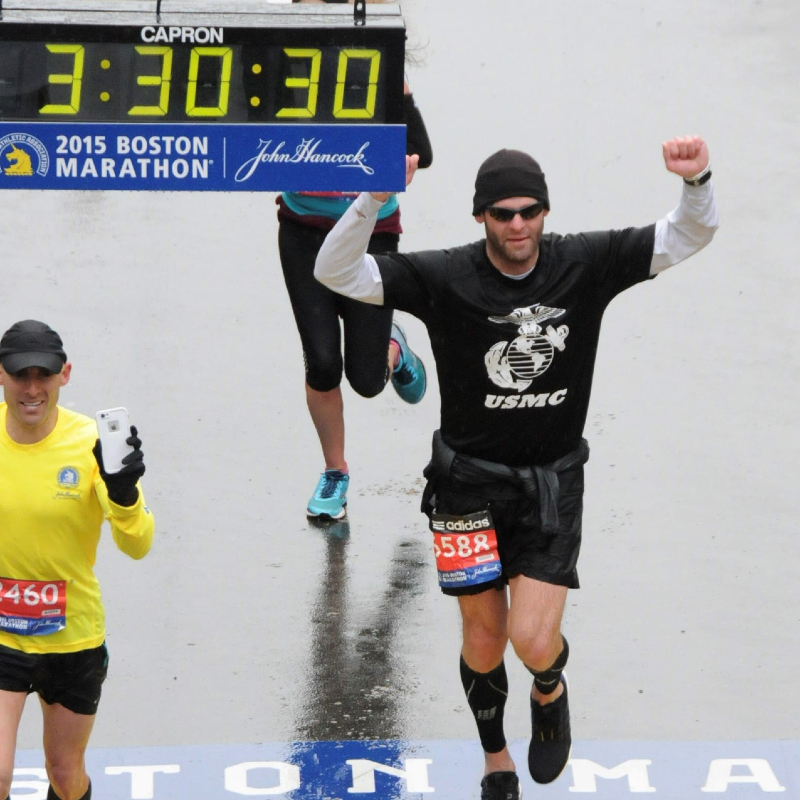
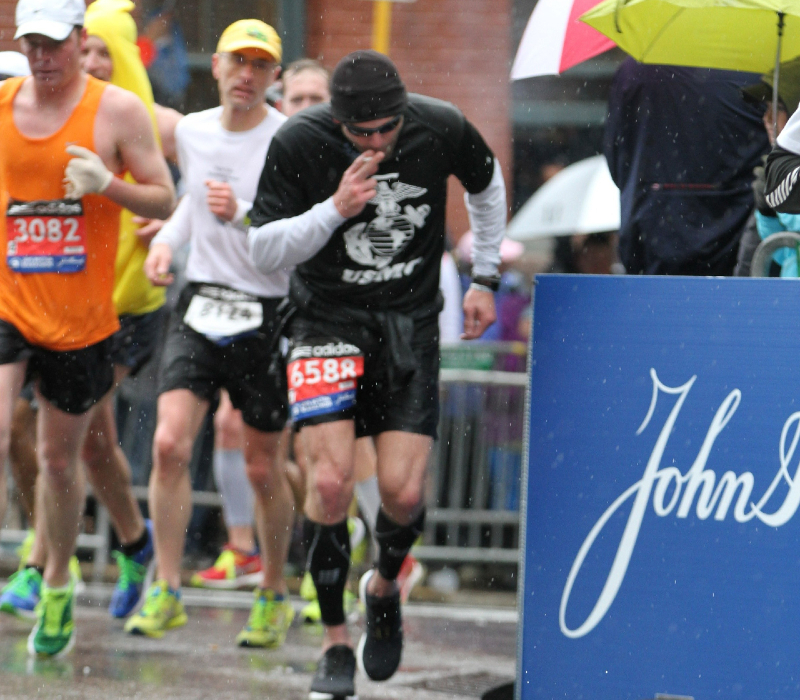
Something I haven’t mentioned is that Scott was also an avid smoker. I know, an incredible athlete who treated his body like a temple when it came to exercising and the food and supplements he put into it, but yet he could drink like a fish and smoked too! One of the things that drove me crazy about him was how, after a race, he would immediately pull out a cigarette and light it up. Right in the middle of the crowd of runners who were likely not interested in inhaling his secondhand smoke. Back to his run in Boston; I was scrolling through his race pictures online, after he passed, which was a very bittersweet experience. I came across a string of three or four and couldn’t believe what I was seeing. He had stopped during the race, lit a cigarette, and then was running while smoking. Clearly, he had had it with the weather and the race! Such a funny moment, one I wished I’d known about prior to him dying, so I could razz him about it.
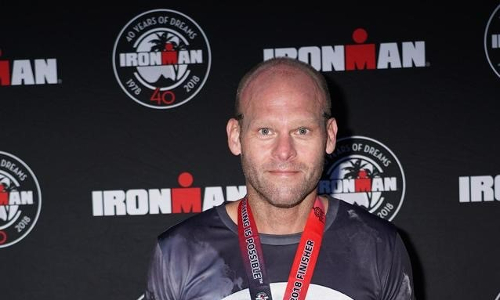
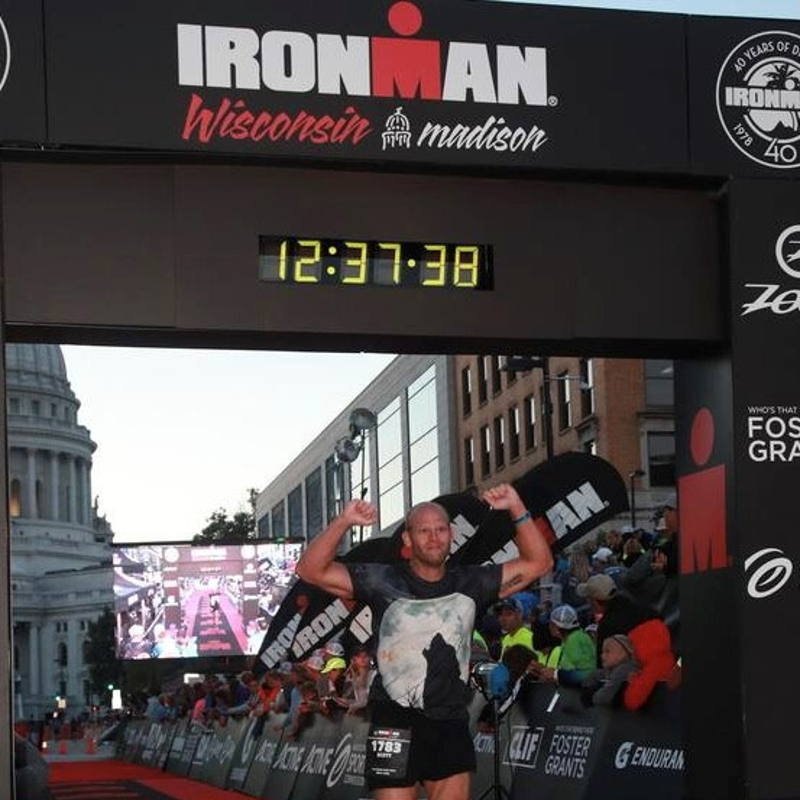
Scott’s biggest race accomplishment would undoubtedly be his Ironman. He did Ironman Wisconsin in September of 2018. Scott got his last DUI in April of 2017. Long story short, he ended up with an ankle device for a year, was not allowed to drink for that next year or he would go to jail. Scott poured all his energy into getting healthy and training for and then completing that Ironman.
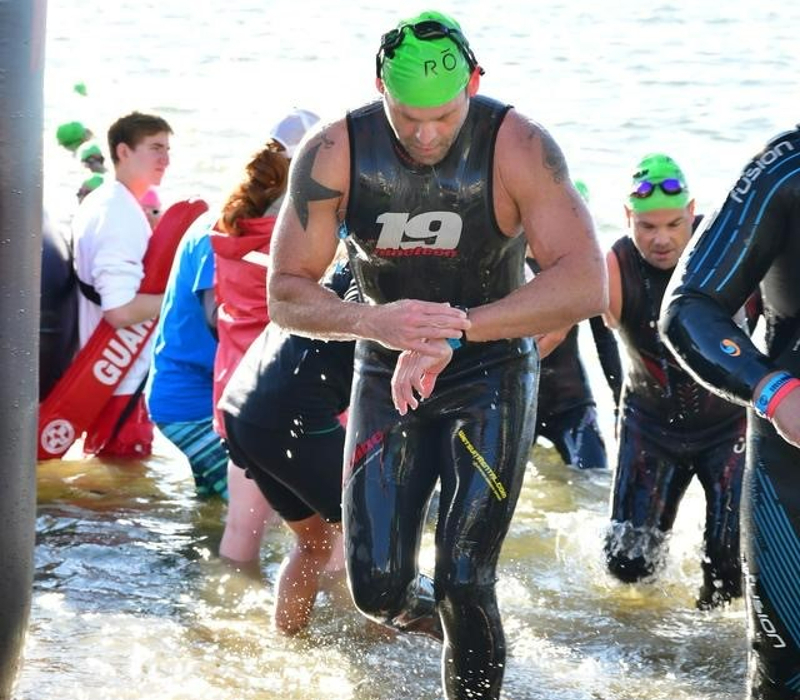
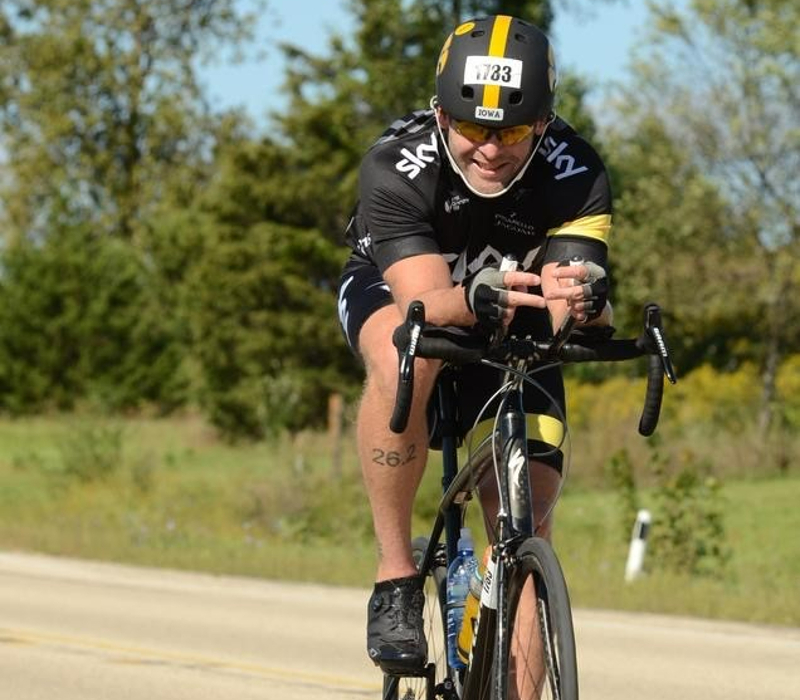
Sadly, once the ankle device came off, he started drinking again. He thought he could handle it, control it. A game so many addicts play.

He continued to run in races, up until the world shut down in March of 2020. I think he was supposed to participate in our local St. Patrick’s Day run that March, but was unable to after its cancellation.

Scott’s drinking was getting out of control, though none of us fully understood how bad it was. So many who knew him, who loved him, have said, “if only he could have had his races, maybe they would have provided the focus he needed…”

In 2020, Scott would have done the following races, because he had done them for countless years before: Drake full or half marathon in April, DAM to DSM in June, then he would have been training for the IMT Marathon in October.

The world had shut down though and all runs had become virtual. He didn’t have his running community, the connection he desperately needed.

Another one of his longtime high school friends wrote this:

“Scott was a true friend. I thought I knew most of what was going on in his life. There were certainly a few flaws (which we all have), but things on the outside seemed to be just fine. His story is a good reminder to dig deeper to make sure your friends are okay, and to make sure they know to call if they need someone. Scott’s one of a kind, a hilarious super athlete who was always down for a great time. I think about him every day, and am really sad we could not give him what he needed in the end.”

I wish more than anything that we could go back, help Scott, save him. If only we had known then, what we know now.

When I look back, things really started to unravel for Scott the last eight weeks of his life. But in actuality, it probably started happening many months before that. Our dad’s thoughts on this:

“Scott’s patience and mood changed slowly the last year or so leading up to his death. He dramatically became more negative and there were many incidences of Scott quickly losing his temper, having seemingly unprovoked outbursts. He knew something was wrong with his thinking and ability to control his temper. We talked about it, and he decided to see what could be determined by seeking medical help. Unfortunately, he never made it to that appointment.”

The appointment our dad refers to was one at our local VA. It was an appointment to see if Scott was suffering from a TBI, or traumatic brain injury. His appointment was scheduled for October 7, 2020. He never made it because he died by suicide on September 18, 2020.

Some of my recollections during those last several weeks: My brother was upset about his ex-wife  meeting someone new. He apparently thought they still had a chance at getting back together, becoming a family again. He started calling her incessantly, made a verbal threat of harm towards her new boyfriend, just a couple examples of his erratic behavior. She took legal action and had a no contact order, and then a restraining order, filed against Scott. We fully supported her. All of this, along with the fact we didn’t fully understand how depressed Scott was, how out of control his drinking had become, or how to get him the help he desperately needed, led to his first suicide attempt on September 7, 2020.

As I sat with him in the hospital that night, he told me he was tired of being a burden. It broke my heart. He was absolutely not a burden to anyone. Was he scaring all of us? Yes, absolutely. His behavior was out of control. He was out of control. He also told me something was wrong with his head and he was going to have a TBI study done soon. At the time, I had never heard of a TBI. When he explained to me what it meant, I told him he just needed to stop drinking and get on the right antidepressant. He had a brain injury, was literally losing his mind, but I simplified it as, “just stop drinking and get on the right meds…” If I’d only had the information then that I have now.

My brother was released from the hospital the next morning and then arrested the same afternoon for breaking the no contact order. When he attempted that first suicide, he had done it on his ex-wife’s front steps. How much that scared her, I will never know. I am certain Scott’s intention wasn’t to scare or hurt anyone. Yet, that’s exactly what he was doing, scaring all of us.

He spent four nights in jail. Our dad bailed him out on Saturday morning. He came over to my house and had dinner with us. There were lots of tears and honest conversations, lots of hugs too. He felt so bad about what he had done, how he might not get to see his little girl for a long time due to his actions. He seemed to be in the right head space though, seemed to “get it” and wanted to take the steps to be better, and get better.

As the week went on, he started to get more and more agitated. We were texting a lot throughout the day each day. He came over for dinner again on Wednesday night. Looking back, he had been drinking. He wasn’t supposed to be drinking and I didn’t think (at the time) he was. As he was leaving we stood outside and talked for probably 30 minutes. The conversation was one I had a hard time following. Scott was so upset again, angry, and not making a lot of sense. At one point he was tapping the back of his head, saying, “I know there’s something wrong with my brain!” I was trying to talk him down, but he left mad. I wish so much I could go back to that night and just hug him, hold him, and tell him I love him, that it would all be OK.

I talked to our dad the following evening, explaining how I didn’t think Scott was doing very well, and seemed really agitated again. We agreed we needed to take steps to help him. The next morning our dad called and spoke to Scott’s therapist about our concerns. Scott then had a virtual appointment with her, where she shared our worries with him. He texted me after saying he shouldn’t have shared so much. I said no, he should definitely share, just not threaten harm. I explained we were all so worried because of how erratic his behavior had been lately, and if he hurt the boyfriend, he would effectively end his life as he knew it, meaning he would go back to jail. His response was, “Don’t worry, I won’t hurt him.” I will forever regret not responding with, “Don’t hurt yourself either,” but I didn’t. We texted a bit more, about how he was going to come over in the morning to go on a 50-mile bike ride with my husband. My husband was training for his first half Ironman and Scott was going to ride with him. A ride that never happened.

Approximately three hours after our last text, my brother would die by suicide. He had driven by his ex-wife’s house, breaking the restraining order. The police came to arrest him again. My dad called Scott, explained they were on their way and told him to comply. Scott pulled a pellet gun on the officers. It wasn’t a gun that could do real harm, but it looked like a real gun. Scott purchased it during quarantine for target practice to get him out of the house. Having been a Marine, he had a lot of respect for authority and would never hurt a police officer. They had no choice but to shoot him though. It’s what my brother was counting on, for them to end his suffering.

The morning after Scott died, our dad called the medical examiner, asking him to please have Scott’s brain tested for CTE. Due to the manner of his death, we were only able to send the UNITE Brain Bank small samples of tissue from Scott’s brain. It often takes close to a year to get the test results back. We got the results back on October 11, 2021. It was confirmed, tau protein was found, which is consistent with early-stage CTE, but the researchers needed the whole brain to get an official diagnosis. Still, the study provided so much validation because Scott knew something was wrong with his brain.

I am sharing Scott’s story, so many details of his story, because I hope (we hope) it will help someone. If someone can read this, recognize these symptoms in their loved one, and help them, then his death won’t be in vain. I urge all parents to consider programs like Flag Football Under 14 to prevent unnecessary repetitive head impacts when children are too young. I don’t want another family to have to live with the “what if” and “if only” we live with. If only I had known what CTE really was, if only I had seen the Concussion & CTE Foundation’s website and social media page sooner, where you can read about the signs and symptoms of CTE.

On October 28, about six weeks after Scott died, I came across a post a friend had made on Instagram. It was a post about a charity event for the Concussion & CTE Foundation. I clicked the link and started reading, then started crying. I saw the post which listed the signs and symptoms of CTE. It was all there, and it was all so clear: THIS is what my brother had been suffering from. And there was a Helpline. A Helpline?! What if I had seen that Helpline?

What if I had seen it six weeks before Scott died, instead of six weeks after? What if? If only..

To my beautiful, beautiful brother: You were loved. Loved SO much. You were worthy. Worthy of a GOOD life, free of the pain you were suffering from. And you were never, EVER, a burden.

Suicide is preventable and help is available. If you are concerned that someone in your life may be suicidal, the five #BeThe1To steps are simple actions anyone can take to help someone in crisis. If you are struggling to cope and would like some emotional support, call the Suicide & Crisis Lifeline at 988 to connect with a trained counselor. It’s free, confidential, and available to everyone in the United States. You do not have to be suicidal to call.

Are you or someone you know struggling with lingering concussion symptoms? We support patients and families through the Concussion & CTE Foundation HelpLine, providing personalized help to those struggling with the outcomes of brain injury. Submit your request today and a dedicated member of the Concussion & CTE Foundation team will be happy to assist you.
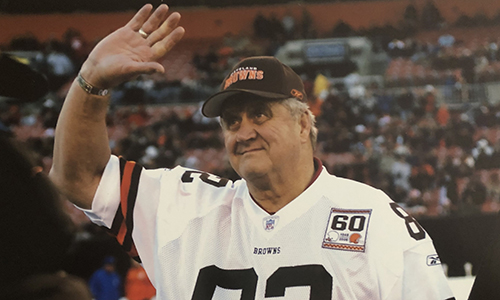
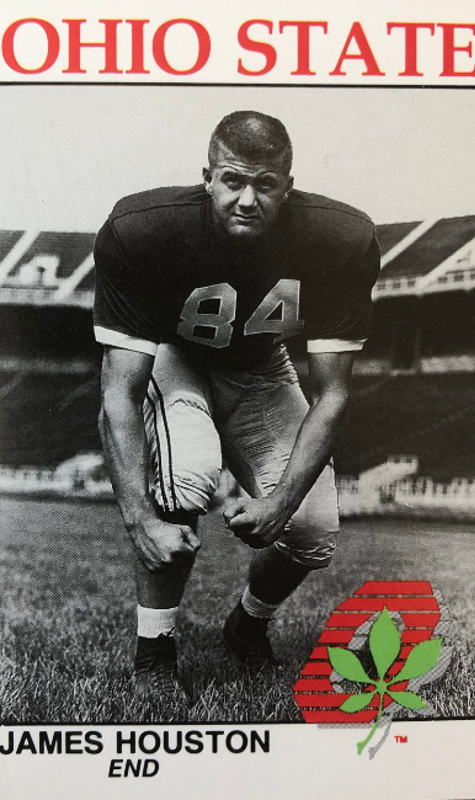
 

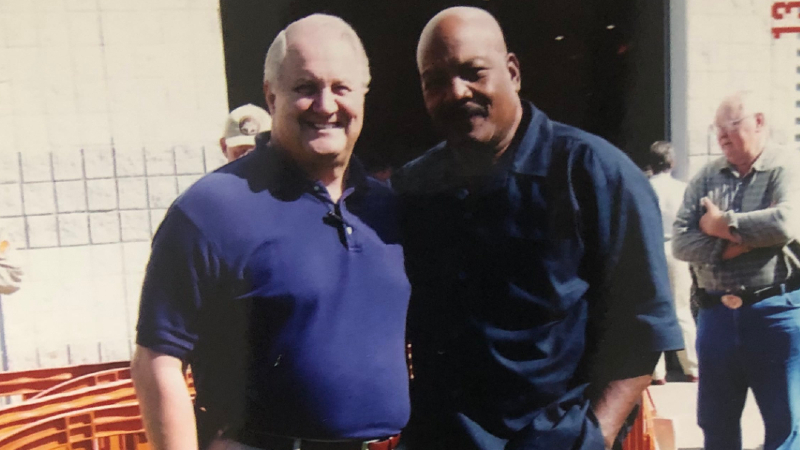
Jim Houston

Mr. Dependable

At lunchtime in Massillon, Ohio, a young Jim Houston would run home from school to snag food. Then he’d run back. In an age before sparkling weight rooms for football teams, Houston had to squeeze in exercise any way he could. The team needed him, of course.

Houston started playing football in the eighth grade. He tried out for the team the prior year, the first age kids could start playing in Massillon, but he was deemed too small. Two years later, Houston earned All-City honors as a tackle and defensive end for Massillon Washington High School. He led Massillon Washington to a state championship in 1953.

His exploits in high school garnered the attention of Woody Hayes, then coach for The Ohio State University. Houston’s older brother Lin had starred for the Buckeyes in the 1940’s. Hayes recruited Houston to play defensive end and convinced Houston to relocate 118 miles south along Interstate 71 to Columbus and play for the Buckeyes. There, Houston’s habitual winning continued.

Freshmen weren’t allowed to play varsity football when Houston arrived on campus. Still, coaches saw his potential and heavily involved him in film sessions and practices in preparation for a big role his sophomore season. In that 1957 season, Houston started on offense and defense including catching an interception and playing all 60 minutes in the Rose Bowl to help the Buckeyes win a National Championship.

Houston continued to play both ways his junior and senior seasons, before being selected in the first rounds of both the 1960 AFL and NFL Drafts. He again followed Lin by opting to play for the Cleveland Browns.

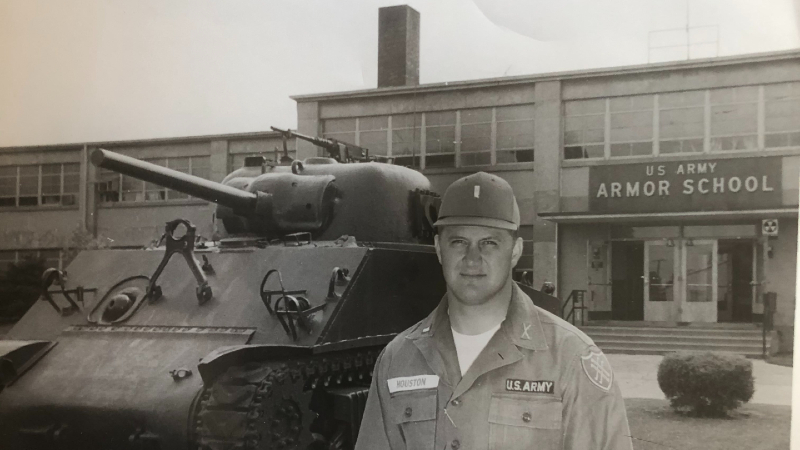
Houston played defensive end for his first three seasons with the Browns, but setting the edge wasn’t his only obligation. In 1962 and 1963, Houston served as an infantry unit commander for the U.S. Army spending his weekdays at Fort Dix, New Jersey. On the weekends, Houston flew to wherever the Browns were playing. His commitment to his country and his NFL team earned him the nickname “Mr. Dependable.”

The 1963 season brought change and success. The Browns hired Blanton Collier as head coach, who moved Houston from end to linebacker. The following season, Houston made the Pro Bowl and the Browns found themselves in the NFL Championship against the Baltimore Colts.

The Colts were favored heading into the game, but the Houston-led defense shut out the high-powered Colts offense in a 27-0 win. Houston covered Baltimore tight end John Mackey in single coverage and held the future Hall of Famer to one catch for two yards.

Houston made three more Pro Bowls in his career while moving to whichever linebacker spot the Browns needed him. He retired from the NFL in 1972 and was inducted into The Ohio State University Varsity “O” Hall of Fame in 1979, the College Football Hall of Fame in 2005, and the Browns Legends in 2006.

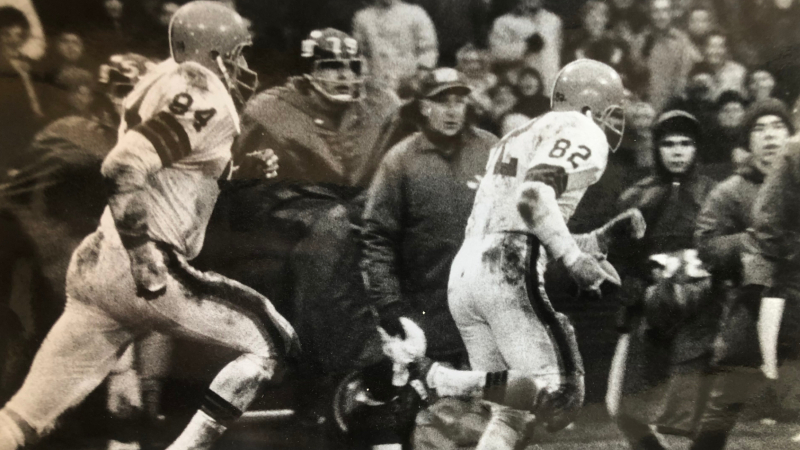
His career was not without pain, as Houston suffered several concussions. His most public came in a 1969 playoff game against the Minnesota Vikings, led by quarterback Joe Kapp. While trying to chase Kapp, Houston’s helmet hit Kapp’s knee pad and knocked him out. The Browns lost the game 27-7, and Houston was delirious for weeks afterwards. He had trouble driving and couldn’t go to work.

Houston’s concussion history predated his NFL days. During one of his many speeches for charity causes, he recounted being knocked out on the opening kickoff of the Ohio North-South all-star game, and then re-entering the game in the second half. “There was no holding me back after I regained consciousness,” Houston said. “By that time, it was in the second half.”

Life after football

Jim Houston’s post-football life was colored by charitable ventures, most often to give back to the youth of Ohio.

Houston’s dedication to the next generation started early. He frequented the Boys and Girls Club of Massillon as a kid and led fundraising efforts to give back to the clubs of Ohio. In 1964, a 15-year-old Akron boy who had just lost his father wrote to Houston for advice. Houston wrote back as he did with all fan mail. He penned, “When you come to the point where you can’t take one more step, take two.”

After he and his first wife divorced, Houston moved to Bainbridge, Ohio in the early 1990’s. He started attending the United Methodist Church in Chagrin Falls.

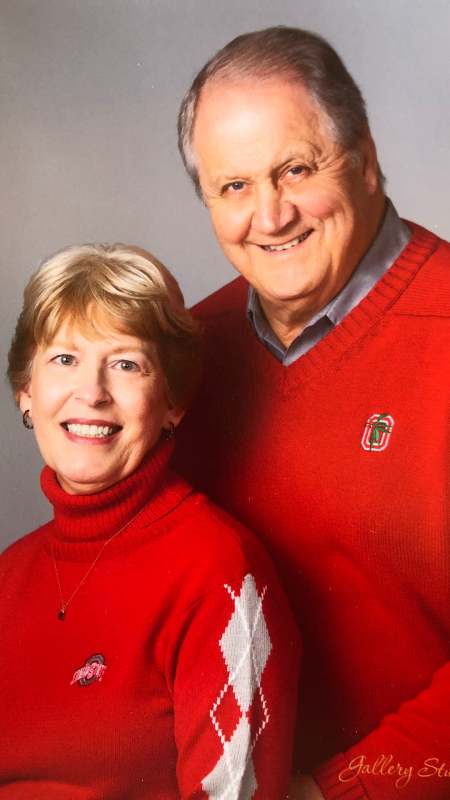
“He never said anything about being a former player or anything,” said Donna Houston. “Finally, someone in the congregation told me that he was the most eligible bachelor at the church and I should pay attention to him.”

Donna was a nurse in the area and noticed how Houston cared for his granddaughter. She would hear him say, “How ya doing, kid?” to the many churchgoers whose names he didn’t remember but whose presence he so appreciated.

They attended the same classes between first and second services and began to find common interests and beliefs. Donna and Jim started dating in 1997 and were married in 1998.

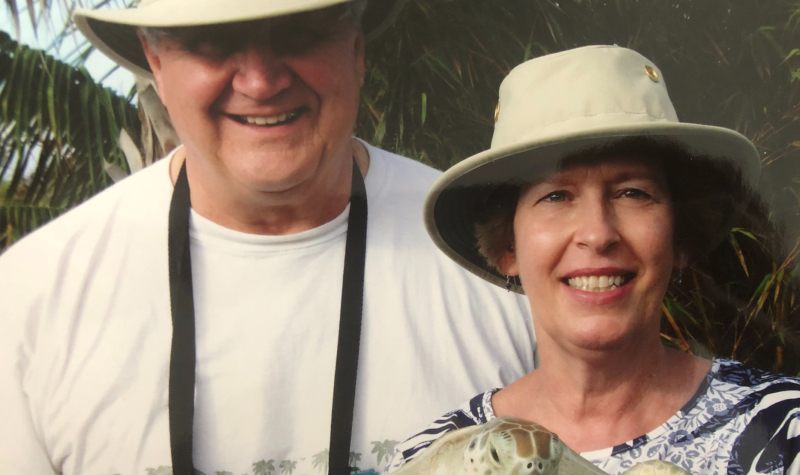
The Houston’s loved to travel, and they did it often. Aside from frequent trips to Columbus and Cleveland, they rented various timeshares. Their travels took them to southern mainstays like Myrtle Beach, Hilton Head, and Savannah. Donna and Jim fell in love with Savannah’s courtyards complete with fountains and vines. They installed their own Savannah-style courtyard in 2002, which became the site of many nights entertaining friends and peaceful mornings together.

Houston’s grandchildren adored him, and he adored them right back. Donna and Jim loved to babysit, and hosted the children for summers, and attended their sports games.

But around this time, Houston’s decision making began to alarm Donna. He made choices without any regard for consequences, especially financially. He gave telemarketers exactly what they wanted and spent money the Houstons didn’t have.

“It’s like you don’t have any common sense,” Donna would say to him.

“Just forget it”

Donna came to learn that Houston’s financial issues were set in motion years earlier. He declared bankruptcy before they got married.

His troubles began to extend beyond financial issues. By around 2006, his behavior was so bizarre Donna began to take notes. He once removed a lightbulb from a lamp and put it in a different lamp, then vehemently denied ever doing it.

“Just forget it,” Houston said to Donna in what became a phrase she heard far too often.

Donna always went to bed before Houston and would kiss him goodnight. Minutes later, Houston would ask Donna where his kiss was and assumed Donna was lying when she corrected him.

Houston could become angry and frustrated after these bouts of confusion, especially behind the wheel. He couldn’t believe there was a law that he had to slow down in a school zone. When driving became dangerous, Donna had to quit work to take care of Houston.

Donna received validation when one of Houston’s sons came to visit in 2006. After seeing his father struggle, he voiced his concerns to Donna.

“It was absolutely overwhelming,” said Donna. “I loved him so much. When he starts fading away from you, it felt like your heart was being ripped out. How could this be?”

Losing Jim

Donna and Jim knew there was a problem, and Donna began to connect the dots between Jim’s football career and his cognitive and physical decline. She clipped newspaper stories about the then-burgeoning link between NFL players and Chronic Traumatic Encephalopathy (CTE).

Houston was primarily concerned his decline could be passed on to his children. In 2008, Houston jumped at the opportunity to have his brain studied for research. He began participating in the Boston University LEGEND study and participated in yearly questionnaires about his cognitive state.

Donna got plenty of advice to get help with Jim’s care. But her love for Jim, her nursing experience, and her desire to learn kept her going. She took a six-hour class from the Alzheimer’s Association about how to best take care of Jim. She made sure Jim got outside and stayed social. The two took daily trips to libraries and various metro parks in Cleveland.

Mobility also became an issue for Houston and therefore Donna. He was diagnosed with ALS in 2014 and visited the Cleveland Clinic’s ALS center. For Jim to go upstairs, she had to hold on to a gait belt to stabilize him to navigate the stairs.

One day, Jim and Donna tumbled down the stairs. Donna realized she was no longer able to care for Jim herself. She moved him in to a dementia living facility in June 2017.

Donna visited the facility every day to bathe and change Jim and spend time with him outside. Jim’s trademark spirit was still on display.

She still heard “How ya doing, kid?”

She noticed Jim, who had an enormous sweet tooth, give his cookie to a man who was worse off than he was.

She noticed his charm was still winning over other ladies at the facility, who overwhelmed him with attempts at kisses.

But she also noticed Jim’s affliction was different than his peers at the facility who were suffering from Alzheimer’s. While others couldn’t remember their own kin, Jim still knew who Donna and his kids were when they visited.

Named after Houston’s old Super Bowl foe John Mackey’s uniform number, the 88 Plan provided some respite for Donna and Jim. Mackey died in 2011 after a long battle with what was eventually diagnosed as CTE. His public struggle with the disease led to the 88 Plan to provide $88,000 a year for former players living with dementia. The 88 Plan paid for Jim’s care and for Donna to find community.

Twice a week, Donna went to support groups for dementia caregivers. She thanks those groups for helping her get through the idea that her husband was fading away.

On Tuesday, September 11, 2018, Jim Houston passed away at age 80.

Jim’s Legacy

After his death, Jim’s brain was sent to the UNITE Brain Bank in Boston. His spinal cord was supposed to also be studied for ALS research but complications from the coroner prevented it.

Dr. Russ Huber of the Brain Bank informed Donna of the test results. Houston was diagnosed with Stage 3 (of 4) CTE. All signs pointed to ALS as well, but researchers could not confirm the diagnosis without spinal cord tissue.

Donna wasn’t surprised but took comfort knowing Jim’s problems weren’t genetic. Going public with his findings is important to Donna to continue Jim’s legacy of giving back to kids.

“He loved kids. He was always encouraging them and talking to them about exercise and doing their homework,” Donna said. “He just wanted people to know there’s a problem.”

Donna says Jim’s message wouldn’t have been to avoid football entirely. He would have supported initiatives for safer play, such as our Flag Football Under 14 campaign, which asks parents to reduce their child’s risk for CTE by not enrolling them in tackle football until they’re at least 14.

For other caregivers, Donna says self-care is vital. Taking time for herself, even just to get laundry done, helped her feel normal during Jim’s decline.

“Get the help, go to support groups, and make sure someone goes with you,” Donna said. “You need to talk to somebody who knows what’s happening and know that you’re not the only one who is going through it.”

Tom Johnson

On the morning of February 8, 2015, I received the call from Tom’s wife. She told me Tom was gone. At first, I thought she meant he had left. I guess in a way he did. He left in the middle of the night and escaped the demons that haunted him during the latter years of his life.

Tom was the youngest of my three boys. He grew up in Brockton, Massachusetts, which is known as the “City of Champions” because boxing legends Rocky Marciano and Marvin Hagler grew up there. Tom’s father left our family without notice when Tom was only three years old. Despite growing up in a single parent home, there was no shortage of love from myself and his two protective older brothers, John and Dave. Tom and his brothers were gifted athletes at an early age and played baseball, football, basketball and several other sports. As a single mom working multiple jobs, I was thankful for athletics to keep them busy and largely out of mischief. I could never have envisioned Tom’s gift for all sports, particularly football, would contribute to such a marked demise in his quality of life and a premature death. It’s a parent’s worst nightmare, and I will always struggle with this guilt.

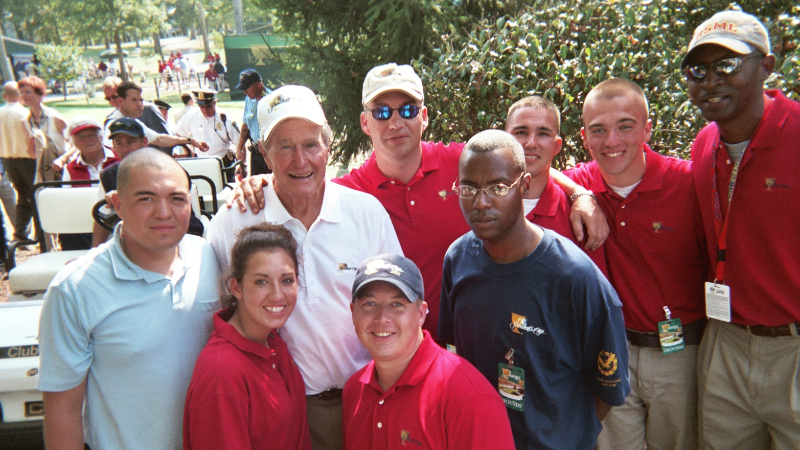
In addition to being a gifted athlete, Tom was an outstanding high school student, a member of the National Honor Society, and a very well-liked person. The combination of his athletic and scholastic talents made him stand out to his friends, teachers, teammates, and to his renowned high school football coach, Armond Colombo. Tom had strong beliefs about right and wrong, and he developed many lifelong friendships growing up in Brockton. Tom was an unconditional friend and his friends’ battles were Tom’s as well. His confidence and lack of pretense enabled him to converse with a homeless person just as easily as he could with President George H. W. Bush, who he met while attending the President’s Cup golf tournament.

Tom played on the varsity football team as a freshman and was a star player each of his four years. This was a significant achievement considering the rich football history at Brockton High. The team went on to win three Massachusetts High School Super Bowl’s during the four years he played, losing only one time in his four seasons. Tom was co-captain and team MVP his senior year and named to the Enterprise All-Scholastic honors and selected to the Shriners All-Star team. Posthumously, Tom was inducted into the Brockton High School Hall of Fame in 2015.

Tom occasionally played fullback, but his primary position was middle linebacker. Tom loved battles, and at this position, he could outsmart, anticipate and use his speed and strength to tackle opposing ballcarriers. “It’s a gridiron war,” he and his teammates would often say. His teammates gave Tom the nickname “Captain Crunch” because he played with such reckless abandon to ensure his helmet connected with the ball carrier. Back then, Brockton players often compared helmets to measure who had collected the most dents and scratches throughout the season. The more damaged the helmet, the better. Tom’s helmet was frequently the most damaged.

During his high school football career, Tom suffered many “bell-ringers,” as they were called then. These were frequent, and not taken seriously by Tom, his teammates, or any of us. During one game against a team from New York, Tom suffered an especially serious concussion and was taken by ambulance to the hospital. Despite being diagnosed with a concussion on Saturday, he was back at football practice on Monday. During Tom’s high school years, 1985-1988, concussions weren’t newsworthy or ever a deterrent to sports.

Tom was offered several scholarships from various colleges and universities. He decided to attend Colgate University in Hamilton, New York. He played less in college than in high school, primarily due to a poor relationship with his coaching staff. In a game against Army his junior season, he suffered another serious concussion. He was not examined and diagnosed until several days after the impact and was sidelined for the next game. Soon after, people close to him noticed escalations in certain behaviors and we became concerned with his mental health.

Tom was always excitable and prone to fights, but after that concussion he became more erratic and he frequently escalated minor conflicts. He began drinking more often and acting out in ways that occasionally resulted in property damage and fights. At one point during his senior year, he was asked to take a leave of absence from school after an unprovoked altercation. Previous attempts by a girlfriend to get him to engage in therapy at school counseling sessions were short-lived. When Tom came home to be with his family for that year off from college, he told us about a traumatic incident that occurred during his childhood. After that admission, he willingly participated in therapy sessions and seemed to be on a great track as he returned to Colgate to complete his senior year and graduate in 1993.

After college, Tom moved to New York City and became an assistant specialist on the American Stock Exchange with the prominent firm Spear, Leads & Kellogg. He was considered such a prodigy at auction market trading that he was assigned to support one of the ASE’s busiest and most high-volume stocks: Motorola. After several years in New York, he realized how much he missed his family and friends and decided to move back to Massachusetts where he found work with Citigroup in their analyst program.

It was after a trip to Ground Zero to volunteer after the events of September 11, 2001 that Tom surprised everyone with his decision to enlist in the Marines. No one could have stopped him; he was incredibly determined to serve his country. In 2002, Tom departed for boot camp at Parris Island, NC before being deployed to Iraq. He served honorably on special operation tours and was awarded several commendations, including a Global War on Terrorism Service Medal, the National Defense Service Medal, and a Medal of Good Conduct.

Tom was discharged in 2006. Despite his commendations and awards, Tom was severely affected when he came back home. His behavior was erratic and irrational, his drinking was excessive, and his tendency to resort to violence escalated. He no longer resembled the incredibly loving son, brother, uncle, and friend we all knew. We were all concerned for him.

His condition grew worse with each passing year. In 2007, Tom attempted to take his own life. He was taken to a local hospital and then transferred to the Brockton VA Hospital for observation and treatment. He remained there for two weeks. He worked hard to convince his treating psychologist that he would be OK with outpatient therapy and he agreed to go to AA meetings. He seemed to be getting the help he needed and returned to spending time with friends and family. For these reasons, we saw the attempt to end his life as an aberration and not something we would ever revisit again.

Soon after, Tom received a job offer to work at the Naval Academy Prep School (NAPS) in Newport, RI. For a few years at NAPS, he was at his happiest professionally and seemed to be on the most positive trajectory. He worked as a system engineer and volunteered as an assistant football coach, mentoring kids who he truly loved. He also obtained a Master’s in Science Communication from Stayers University in Virginia. All seemed to be going great for Tom and I had never seen him happier.

The changes began to creep into our lives so slowly it’s difficult to pinpoint exactly when they began. Perhaps the first blow can be tied to when the chain of command at NAPS changed and Tom was informed his position and coaching role would be eliminated, along with his assistants. He was living away from home, so I did not see him enough to notice any day-to-day issues. Following an altercation at his brother’s home, he admitted himself to a drug and alcohol rehabilitation facility on Cape Cod. He maintained a position with NAPS, but they were now aware of his struggles and were initially very supportive to his illness.

Next, Tom bought a home in Middleboro and invited his fiancée and her son to live with him. They married shortly afterwards. Over the next two years he and his wife participated in AA programs, but would continuously relapse, rehab, and relapse again. He lost his job and his home life was volatile and unstable. For a while, Tom was very open to receiving help. Around this time though, he became more rigid in what treatments he would participate in. He did try a long-term rehab program at the VA where he was diagnosed with PTSD. Doctors also considered a bipolar diagnosis and he was given medication. At that time, no one knew the true cause of his suffering.

A physical altercation then led to jailtime for Tom. After he was released, he seemed to lose all enthusiasm for life and his fighting spirit. An athlete who loved engaging in physical activities no longer cared about exercise or maintaining a healthy lifestyle, allowing his overall health to deteriorate. Most notably, he cut off communication with lifelong friends and family, essentially anyone who was trying to help him help himself. His lifetime of sociability and gregariousness contrasted with his devolution into reclusive behavior. His close relationships with his two older brothers whom he idolized became contentious, fraught with tense accusations, and even violent.

In December 2014, Tom called me crying to say he believed he was dying. We had the Middleboro police go to his home and escort him to the Bedford VA hospital. Tom called me after arriving to thank me for saving him, but he asked that I not visit since he had a lot of thinking to do. Sometimes that conversation haunts me. I questioned whether I should have overruled his request and gone to visit him. I was entirely unaware that he left the hospital and the program he was enrolled in until I received the call that he had died. Though I told him countless times during his difficult years, I never got the chance to tell him then how proud I was to be his Mom. I never got to remind him how I still loved him to the moon and back and always would.

During the final years of Tom’s life, he did his very best to tackle the mental pain and anguish he suffered like he had when he was a football player. He would often complain of excruciating headaches and say how he couldn’t rein in painful, rambling thoughts. We attributed the symptoms to Tom’s tendency to overthink or to his alcohol abuse. Even when he didn’t appear to be trying, Tom was fighting an internal battle with his entire being, a battle within that was unwinnable – mentally and physically. There were times when we thought he was getting better, but it wouldn’t last. None of the numerous hospitalizations or stays in rehab facilities to recover his life could bring Tom back to a place of calm or equilibrium. His life became what he described as an unrecognizable, living hell.

A few times when I went to his side and held him, he would ask me to please pray with him and his prayer was always the same, “Mom, please ask God to bring me home. I don’t want to live like this anymore.”

At the time Tom passed away, our family knew very little about CTE until his brother-in-law, Kevin Haley, notified us about the Concussion Legacy Foundation. He suggested we donate Tom’s brain to be studied for Chronic Traumatic Encephalopathy, or CTE. We decided to donate his brain, and about a year later, researchers at the UNITE Brain Bank diagnosed Tom with CTE.

I will always be extremely grateful to Kevin for providing this information and helping us complete the brain donation process. Learning about CTE has changed our lives and aided us in our grieving process. Gaining an understanding of what was happening within my son’s brain helped us understand those years where we could not comprehend his changes. We just wish we had known sooner, before it was too late to make a difference for Tom. The most important thing now is to continue the work and to expand the awareness for other families experiencing what we did and provide them with hope, and measures they can take for someone they love.

I want to extend my heartfelt thanks to Lisa McHale and Dr. Ann McKee and the entire research team for their painstaking diagnosis and patient explanation of the pathological findings. For me, my family and everyone else who loved Tom, the CTE diagnosis helped explain the devastating effects on Tom’s life and greatly assisted us in healing from his death.

Tom is missed every single day, but no longer are our memories fixated on the events of those traumatic final years because we’ve been blessed with an ability to understand what caused them. We now remember Tom as he was before he began to experience the symptoms of CTE. The son, brother, uncle, friend, and person he was is the memory that will forever live in our hearts.

If you or someone you know is struggling with probable CTE, or lingering concussion symptoms, ask for help through the CLF HelpLine. We support patients and families by providing personalized help to those struggling with the effects of brain injury. Submit your request today and a dedicated member of the Concussion Legacy Foundation team will be happy to assist you.
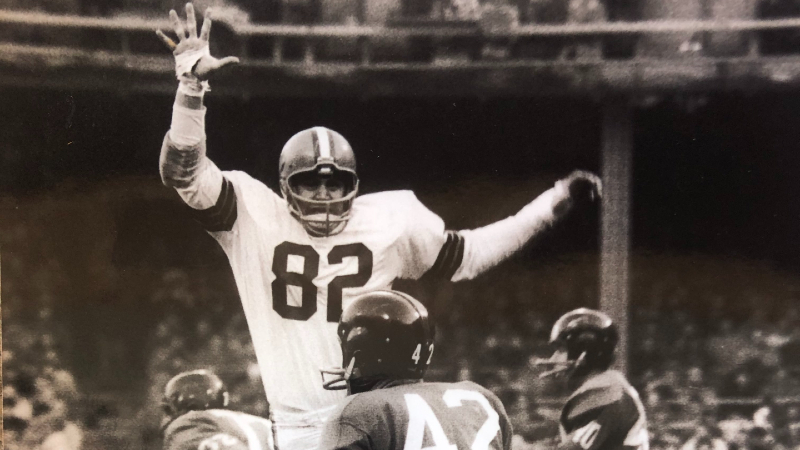
Corey Kerr

Warning: This story contains mentions of suicide and may be triggering to some readers.

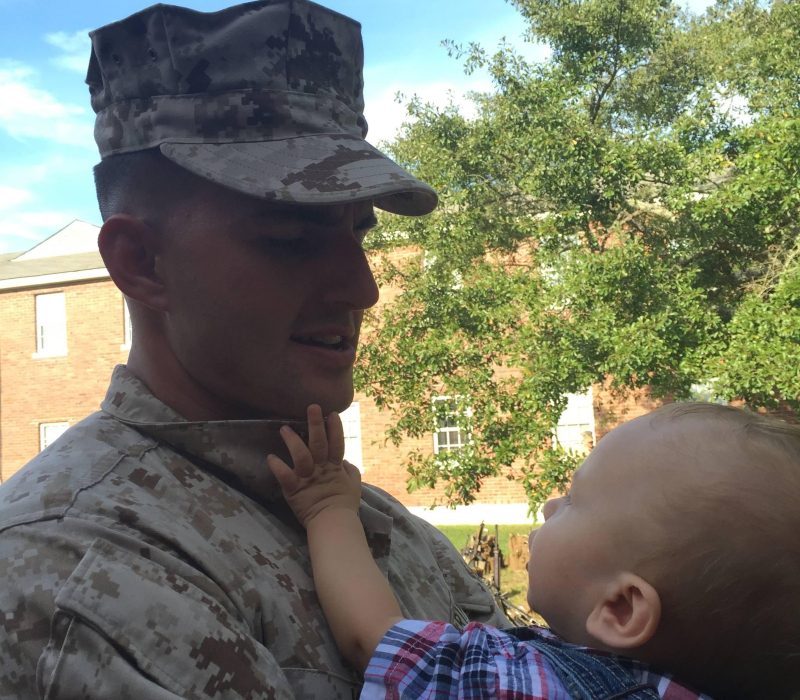
Gunnery Sergeant Corey Kerr took extraordinary pride in being a United States Marine. He demanded excellence from himself and others, and by recognizing the true potential of the younger Marines he trained, Kerr brought out their best. His legacy, his widow MaryAnne says, will be that of a protector, whose own postwar experience can and must lead to changes in the ways veterans interact with mental health services back at home.

Kerr felt the call to serve as a high school junior in Corry, a small town in northwestern Pennsylvania. The nation’s response to the 9/11 attacks inspired him to enlist in the Marine Corps because he knew something had to be done. By the time he was 21, Kerr had served two combat tours in Iraq with the 2nd Battalion, 7th Marines.

After returning from Iraq to Southern California’s Camp Pendleton, Kerr met MaryAnne in 2007, and the two fell for each other almost immediately. MaryAnne, studying to become a registered nurse at that time, had never dated an infantryman. She realized quickly that Corey would not be especially forthcoming about his experiences overseas.

“I never knew how to be around someone that had seen combat,” MaryAnne said. “I would be willing to listen, but he didn’t want to talk about it.”

While details were often sparse, MaryAnne knew her husband had experienced great loss in Iraq. On Dec. 1, 2005, 10 of Kerr’s fellow Marines were killed and 11 others injured when a pressure plate bomb exploded in an abandoned factory near Fallujah. Kerr did not share many details about that tragic day, but MaryAnne said her husband moved forward with a sense of survivor’s guilt.

Corey’s third combat deployment would be his first time overseas as a husband and a father. This tour took him to Afghanistan in 2010 with the 3rd Battalion, 5th Marines. He was assigned to the battalion commander’s security detail during the Battle of Sangin, where US forces clashed with the Taliban in a grueling campaign. The Marines of 3/5 endured hundreds of firefights and took heavy losses due to countless blasts from improvised explosive devices (IEDs). By the end of their tour in April 2011, the 3/5 had lost 25 Marines, making Sangin the bloodiest battle for American forces in Afghanistan.

Gunnery Sgt. Kerr took on recruiting duties for the Marine Corps back home in North Carolina in 2018 – 2020, where he and MaryAnne now had two school-aged children. MaryAnne recalls how Corey always had a bit of a temper, but the stress of his job seemed to exacerbate his anger. A few times, she suggested he find someone to talk to about his stress and trouble sleeping and whether it may be related to his combat experience, but Corey continued to push back.

“We were together for 15 years, and I had never seen the man cry,” MaryAnne said. “This man — who has seen so much trauma and has experienced so much loss — was so strong, and I thought, ‘How is he not crying?’”

Corey’s mother Brenda believes her son’s emotional restraint stemmed from his stepfather telling him men should never cry or show their feelings. This attitude, she says, was further instilled by military culture, which places the collective needs over those of the individual.

MaryAnne said the fuse on her husband’s temper seemed to get shorter and shorter, and she did not know what to do. He was drinking more and becoming very combative with his family. Corey scolded MaryAnne when he found out she asked his friends to encourage him to consider speaking with a therapist. Corey was now in his mid-30s, and MaryAnne tried whatever she could to help him realize his behavior had changed.

“This was not normal for Corey,” she said. “The person that I met at the very beginning was the man I married and fell in love with. Towards the end of his life, he was somebody I didn’t even know anymore. I was fearful of him.”

Corey visited a psychologist in December 2020, explaining his struggles with depression, anxiety, and post-traumatic stress. According to intake notes MaryAnne obtained, he mentioned how these issues were causing problems in his marriage and other relationships. He had his first appointment early 2021 but stopped going until a year later.  He had a total of six mental health visits.

Still struggling at home, Kerr returned to the same mental health clinic in January 2022, following the advice from his primary care manger after discovering Corey had stopped going. This time, according to MaryAnne, his psychologist focused almost exclusively on his marital troubles and less on his military experience and repeated exposure to bomb blasts in the Middle East. MaryAnne said he was never referred to a specialist for further evaluation of TBI after Corey stated he was exposed to multiple IED blasts.

“I wish they had done more than they did,” MaryAnne said. “I don’t feel like he got the care that he needed.”

Gunnery Sgt. Corey Kerr died by suicide June 11, 2022. He was 37.

At 3 a.m., just hours after her son’s death, Brenda was scouring the internet seeking any explanation for her son’s tragic spiral. She learned about Project Enlist and decided with MaryAnne to donate Corey’s brain for scientific study.

“We were so desperate for answers, just something to show that there was something wrong with Corey,” MaryAnne said. “He didn’t just wake up one day and decide to be this completely different person that we never imagined him being and he never wanted to be.”

Researchers at the UNITE Brain Bank concluded while Kerr did not have CTE, his brain did show evidence of a history of traumatic brain injury (TBI). MaryAnne says while this provided some sense of understanding, her work was just beginning.

“I’m sure there are so many Marines having these emotions, and they don’t even know what they’re going through,” she said. “How can this loving, charismatic man turn into this completely different person?”

MaryAnne hopes her family’s frustration with Corey’s experience seeking mental health services is not in vain. By its own admission, the Department of Defense has inadequately identified, tracked, and treated traumatic brain injury among service members. Corey’s experience, MaryAnne says, illustrates the necessity for better veteran mental health care and TBI treatments.

In addition to her push for systemic changes, MaryAnne hopes Corey’s story helps break down the mental health stigma grounded in military culture. She hopes anyone struggling with symptoms like Corey’s recognizes they are not alone, and help is available.

“Seeking help doesn’t make you weak,” she said. “If anything, it makes you look stronger, because you are not only looking out for yourself, but you’re doing it for your family.”

Corey Kerr put his life on the line for his country and for his fellow Marines. MaryAnne Kerr believes his story will continue to inspire brave men and women in uniform.

“He loved the Marine Corps and the people he served with in that brotherhood,” she said. “He would have wanted his brothers to know what went on with him, because this could help them.”


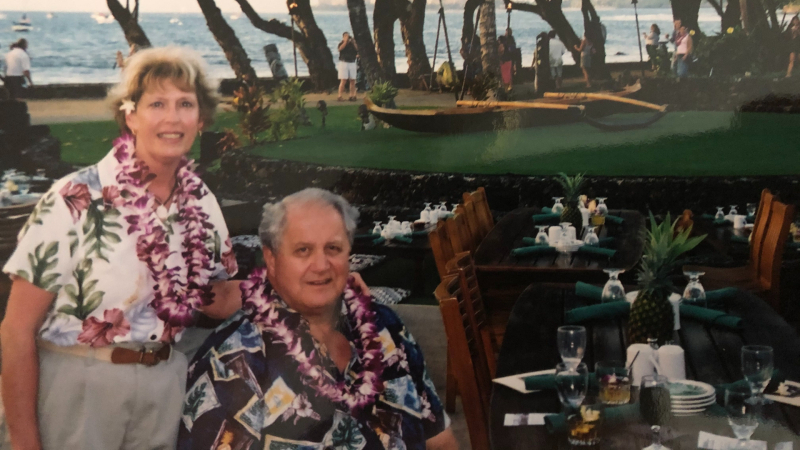
Paul Lyman

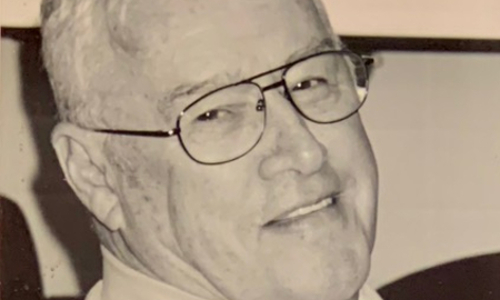
Paul was born in Boston on December 12, 1932. He was raised and educated in the Charlestown neighborhood and graduated from nearby Malden Catholic High School. Paul was very proud of his Charlestown roots and was a true “townie” who maintained life-long friendships from his early years. There, he also met his best friend and true love, Ruthie Dole. They would remain married for 67 years until her passing shortly before his. This is their story, really…

In 1961 Paul and Ruthie moved “up country” to the town of Wilmington, MA as their new family was beginning to grow, and grow it did! Over their years in Wilmington, they raised a beautiful family of children, grandchildren and great-grandchildren and were extremely close to their neighbors. Their home was the center of life for family and friends alike, where all were welcomed to just drop by or join them for their famous annual Christmas Eve bash. The “Silent Night” procession, the birthday cake, the prayers, and the laughter are never to be forgotten.

Paul was a Veteran who enlisted in the U.S. Navy during the Korean War, entering into service on October 23, 1952. He was sent to the Hospital Corp School and was stationed at the U.S. Naval Hospital in Chelsea, MA. Paul proudly served his country and received the Good Conduct Medal; honorably discharged to the United States Naval Reserves where he served until October of 1960.

Prior to his military service, Paul worked as a pharmacist apprentice for the Bunker Hill Drug Company in Charlestown. After returning from the Navy, Paul used his GI Bill to further his education and earned a degree from the New England College of Pharmacy (which later became part of Northeastern University). He went on to have a long and rewarding career in pharmacy that he approached with hard work, integrity and compassion at all times.

In 1967, Paul and Ruth opened their first drug store, The Village Apothecary in Billerica, MA. A legacy was born. The Village Apothecary was a “true, old fashioned family business,” run with a huge family atmosphere and everyone was involved. For both family and friends alike, if you needed a job, Paul was quick to put you to work. He worked hard and was always professional. He also had a heart of gold and would go over and above for his customers. Paul was known to show up at a customer’s home to deliver in all kinds of weather, run an account “on the cuff” if needed, and do whatever he could to help them through a rough patch with kindness and trust. He knew most of his customers on a first name basis and they referred to him as “Doc.” Paul made everyone feel as though they were the most important person in the store. In the mid-1980’s, Paul and Ruth decided to expand their venture when their son, Chris, joined his father’s profession. They opened The Village Apothecary II in their beloved hometown of Wilmington and the legacy grew. Paul eventually retired from the stores after more than 30 successful years and went on to work at the Veteran’s Hospital in Bedford, MA.

At the VA, Paul had a soft spot in his heart for the veterans returning from active duty with injuries ranging from physical disabilities to PTSD. He worked diligently with the doctors, making rounds with them daily to help develop plans that would suit their patients’ needs. Paul would also serve as preceptor to many pharmacy students just getting started in the profession – a role that he loved. In allowing students to shadow him in his work, he enjoyed sharing his professional knowledge and thrived on hearing their perspectives in life. Through his openness and lively personality, he impacted new generations of pharmacists as they would also learn by example to understand his style of compassionate care. Not surprisingly, he received the “Preceptor of the Year” award on multiple occasions. Paul also advanced his profession through his active membership in the Massachusetts Pharmacists Association and the Boston Druggists Association.

Through the years, Paul and Ruth kept in close contact with their childhood friends, made new ones, raised their family, vacationed, and spent happy times together. Paul contributed to his community and to future generations in ways that cannot be fully stated – both in the character he passed down to his own family and that which he shared with colleagues, acquaintances and strangers alike. In this spirit, he joins with others who contribute to a legacy of research and discovery that might bring hope to countless families in the future.

Matthew Martinez

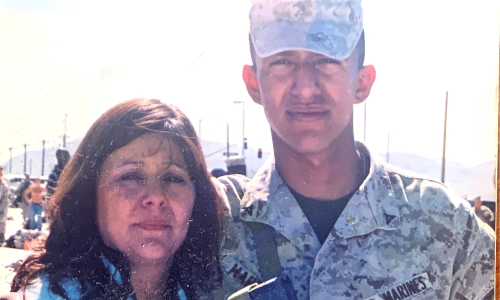
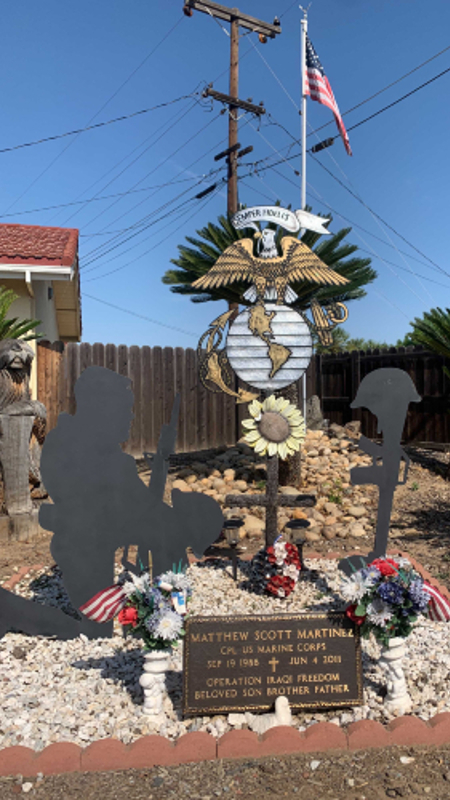
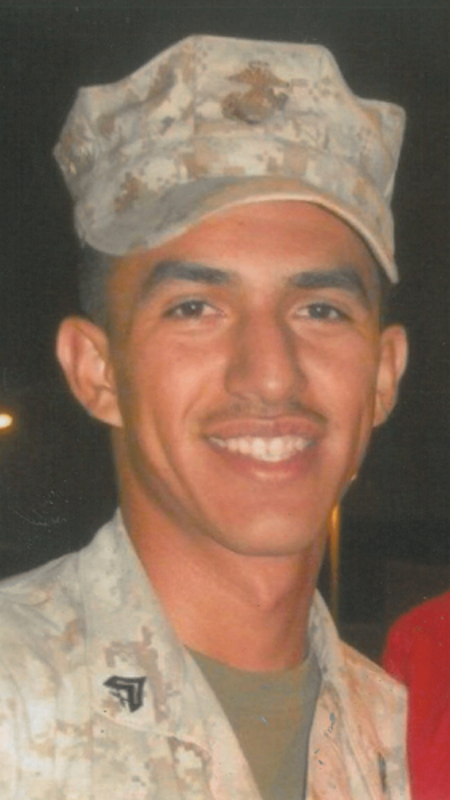
When passersby walk by the Martinez family’s home in Reedley, California, they come across a memorial for Matthew Martinez. Some visitors drop flowers next to Matthew’s monument, honoring the young man who grew up intrepidly exploring the valley’s natural splendor. Many salute his United States Marine Corps plaque, remembering the former Iraq War Veteran, gone too soon.

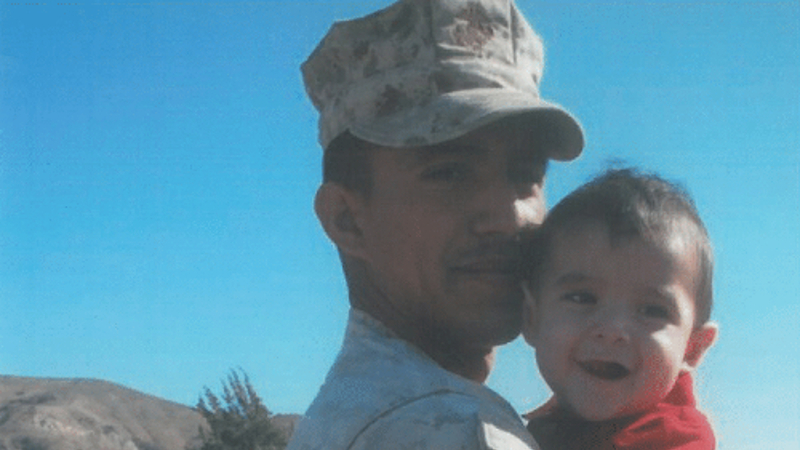
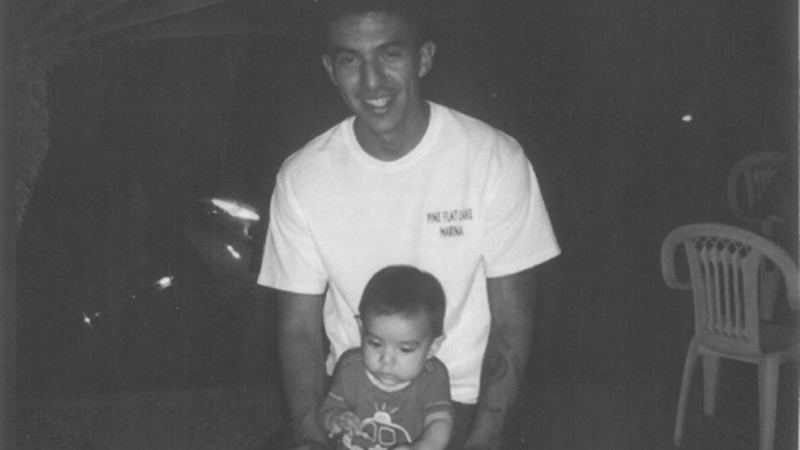
In the last 10 years, Carmen and Dale Martinez have developed many coping mechanisms to protect from the pain of their son’s death. They are comforted to know Matthew lived a robust 22 years, full of adventure, novel experiences, and so much laughter. They can look at Matthew’s son Noah, his doppelganger in both appearance and spirit. They can remember how Matthew did what he set out to do from a young age by serving his country.

But coping has its limits.

“As parents,” Carmen said, “we are not equipped to send our kids off. It’s supposed to be the other way around.”

As much vitality as Matthew and the countless other Veterans lost to the invisible wounds of war gave in their time on Earth, we could help them have even more, says Dale.

“These heroes who have served – they all have a story to tell. We want them to be healthy. We want them to seek help when they need it so they can share their stories of their life to their children and their grandchildren.”


Matthew Martinez was born on September 19, 1988. His parents fondly remember young Matthew’s zest for life.

“He was just a cool guy,” Carmen said. “He always wanted to please and do good for everybody.”

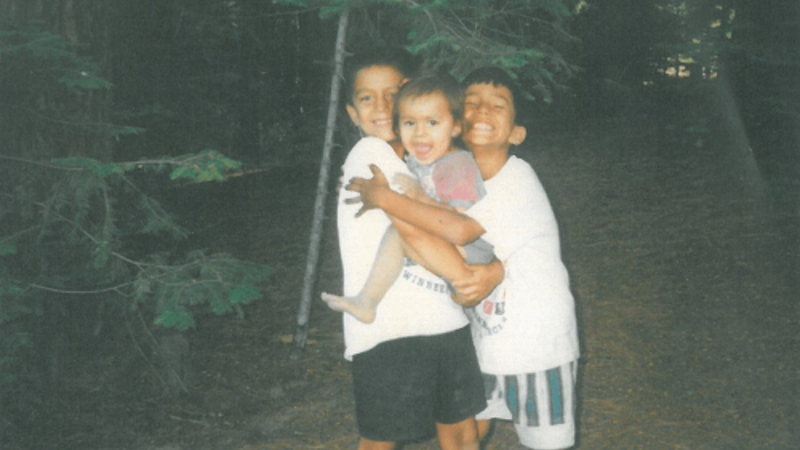
From a young age, he took advantage of the nature around him in California’s Central Valley. He was notorious for starting lemon fights on the Martinez family’s 25 acres of citrus orchards – hurling the fruit at his siblings and cousins.

Matthew was in his element during family camping outings at Sequoia or Yosemite National Parks. The vast landscape around him offered a chance to swim, hike, run, climb, and extract as much fun as he could from the world.

“He’d be the first one up a rock,” Carmen said. “Like Spiderman.”

After school, Matthew loved playing sports, dirt biking, working on cars, and taking camping trips with friends.

Many of the men in the Martinez family served in the United States Armed Forces. At the family’s many gatherings, Matthew listened closely as his grandfather, great uncles, uncles, and cousins shared stories from their time overseas.

Matthew was 12 years old on September 11, 2001. He watched many of his cousins immediately enlist in the war and serve in the initial invasion units in Iraq. When Matthew was a sophomore in high school, he decided to enlist in the U.S. Marines.

“He took a lot of pride in his family’s history of service,” Dale said. “He wanted to make us proud for his service and by his service. And he did.”

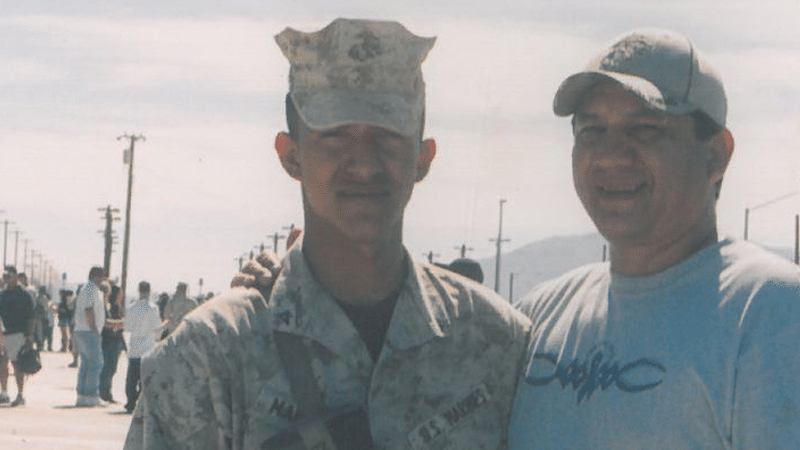
Martinez entered the Marines two months after graduating from Reedley High School. He graduated from boot camp in Camp Pendleton in San Diego in October 2006. A year later, he was deployed to Iraq.


A platoonmate of Matthew’s from his first deployment remembers a sudden thud to the back of his head while he was looking out into the distance.

The thud came via Corporal Martinez, who threw an orange at the platoonmate’s head. 7,500 miles away from home, Matthew found a new citrus to play with.

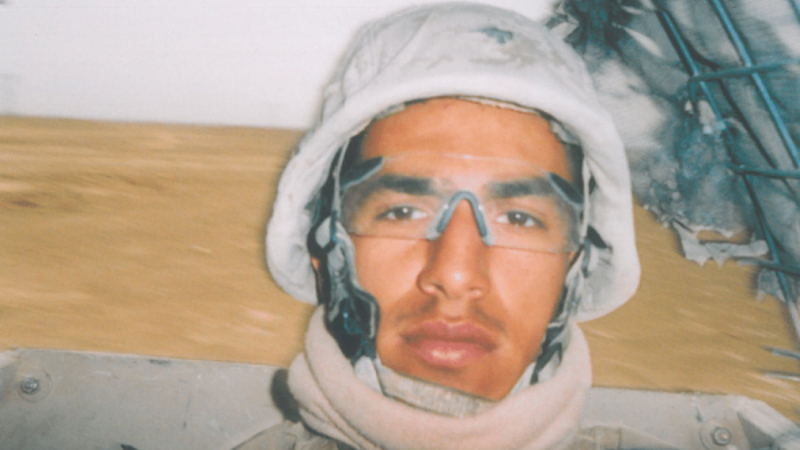
Matthew wrote home often during his first deployment. Over occasional video calls, Carmen and Dale saw the same joyful Matthew they raised for 18 years, albeit a bulkier version.

The first tour ended in May 2008. Matthew was back on U.S. soil, stationed a seven-hour drive away from home in Twentynine Palms, California.

In February 2009, Matthew’s son Noah Scott Martinez was born.

Once Noah was born, Matthew went home every chance he could, flooring the gas pedal from Twentynine Palms to Reedley. Matthew adored Noah and loved playing with him.

“Noah was his pride and joy,” Dale said.

Matthew left for his second deployment, a marine expedition unit (MEU), in September 2009. The MEU represents a dark period for the Martinez family’s communication with Matthew, as letters home were less frequent, and Matthew had less access to video calls than he did on the first deployment.

Dale and Carmen are still unsure about the specifics, but they know Matthew experienced a fair amount of injury on the MEU. They know he suffered several falls over the course of the deployment. They also know he operated heavy artillery – regularly putting him in range of blast waves that emanate from firing weapons.

Martinez returned from the MEU deployment in May 2010. He was honorably discharged from the service three months later. He was finally coming home for good.

“We were elated,” Carmen said. “We didn’t have to worry about him getting blown up, shot at, or taken prisoner. He was safe.”


Carmen looks back on those first few months of being reunited with Matthew as a “honeymoon period.” When he first came home, Martinez told his family he wanted to grow his hair out and relax for the first time in years. But for the next 10 months, he struggled to find such peace.

“It’s a disease that hides,” Carmen said. “He was fighting silent battles all while we thought everything was fine.”

The first sign of trouble was the headaches. Matthew frequently complained to his parents about headaches so painful he couldn’t sleep, and he rebuffed every time Dale and Carmen suggested he take medication and seek medical services.

Matthew was effortlessly cool and easygoing growing up. He loved life too much to be fazed by much of anything. After he was back home, Carmen was stunned to see her son get so upset when he discovered his burger order had been mixed up.

“The mood swings were probably when we first thought, ‘Whoa’,” Carmen said. “This is not Matt.”

There was a distance between pre-deployment Matthew and post-deployment Matthew. A similar distance emerged between Matthew and his son.

In between his first and second deployments, Matthew wanted as much to do with Noah as he possibly could. But after the MEU, Dale and Carmen noticed Matthew didn’t possess the same energy when he cared for Noah.

Matthew could tolerate caring for Noah for brief periods, but his patience grew thin over time due to the stressors of raising a toddler. When Noah began to fuss, Matthew would become agitated and leave the room.

Dale had seen this before. His father was a Vietnam Veteran and battled PTSD for much of his childhood. When Dale saw his son suffer from headaches, nightmares, and anxiety, he urged him to seek professional help.

Before Matthew’s service, he and his mother had a close relationship. They could talk about anything. But when Carmen asked him questions about his deployments, Matthew reassured her she didn’t need to know about what he experienced.

“That’s kind of how it works with Veterans,” Dale said. “They protect their loved ones from some of that exposure.”

Finally, in April 2011, Matthew and a cousin went to the VA together. There, Matthew received a referral for a psychiatric appointment he’d never make it to.

On Friday, June 3, 2011, Matthew erupted in rage while working at the family business over a simple matter. That night, Matthew made peace with his father over the outburst.

The following morning, Matthew woke up with a headache and took a nap in his parents’ bed. Hours later, Matthew died in his sleep of a brain hemorrhage. He was 22 years old.


In the hectic wake of tragedy, the Martinez family’s search for clarity led them to Dr. Ann McKee, Director of the UNITE Brain Bank. Dale spoke with Dr. McKee and arranged for her to study Matthew’s brain.

“I knew something wasn’t right,” Dale said. “This was a strong kid, 22 years old. How the heck does his brain explode?”

Dr. McKee found changes suggestive of CTE in Matthew’s brain. The Martinez family remembers Dr. McKee explaining how the findings of Matthew’s pathology report were unlike anything she had ever seen. She likened Matthew’s brain to that of a much older person. She theorized how the overlapping of Matthew’s PTSD with his likely history of TBI may have contributed to his sudden death.

The results brought a wave of emotions upon the Martinez family.

First, there was relief. If Dr. McKee did not report any changes to Matthew’s brain, Matthew’s last 10 months would have devastated Dale and Carmen.

Then, there was clarity. The mood swings Matthew exhibited after he returned home seemed to come from an entirely different person than the man Dale and Carmen raised. They often wondered what they had done to upset their son so much.

“Now we know it wasn’t us,” Carmen said. “There was so much more going on in his head.”

Finally, there was pride. Matthew was fiercely proud of his and his family’s military service. The family is assured he would have been proud to be part of research that will help other Veterans manage the symptoms of TBI, PTSD, and possible CTE.

The family supports The Concussion & CTE Foundation’s Project Enlist, which recruits and conducts outreach to the military and Veteran communities to encourage them to donate their brain for research. More research will beget ways to prevent, diagnose, and treat the invisible wounds of war Matthew endured.

Carmen and Dale urge other Veterans to embrace vulnerability and seek help.

“PTSD is a silent killer,” Carmen said. “Matthew was screaming out and no one could hear him because he could only hear himself.”

For parents of other struggling Veterans, they suggest persistence. If you see your child struggling, raise the issue and advocate for seeing a professional. Silence only contributes to the crippling stigmas of mental health in the military community.


Carmen Martinez’s favorite quote is also her wish for her son’s legacy.

No day shall erase you from the memory of time.

June 4, 2021 will mark 10 years since Matthew Martinez’s death. The Martinez family is planning a gathering to celebrate Matthew’s life and preserve his memory. Friends and family will join to reminisce on a life cut far too short.

“He was a hero to us,” Dale said. “He forever will be.”