Cameron Adamson
Warning: This story contains mentions of suicide and may be triggering to some readers.
I remember the day Cameron called me at the Pentagon, a week before his high school graduation and proclaimed he was enlisting in the Unites States Marine Corps instead of going to college. Truly not the path I envisioned for Cameron, and a very different path he was about to take. Cameron had a fund already in place to pay for his college, and he was a good student at competitive Conneaut Lake High School in Pennsylvania. Cameron surprised our entire family by telling us he wanted to enlist in the Marine Corps. As I look back, the truth is, his choice in enlisting in the military over college deserved much more than a blank stare.
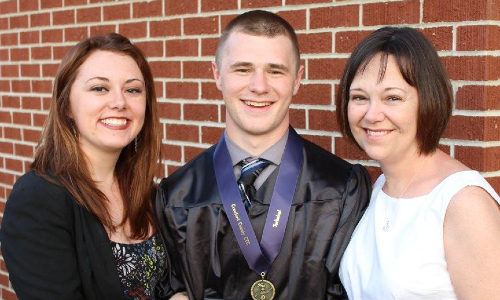
Since Cameron died by his own hand in January 2021 at the age of 22, over the several months since his passing I have had some says directly to me: “suicide is a selfish act.” I was not angry or insulted, but rather very sad that people still believe this to be true. If anything, in the mind of the one who takes their own life, it’s a selfless act. In Cameron’s case, his writings, and the discussions he had before he died, indicate to me that he felt he was a burden to those who loved him. In his suffering mind, Cameron felt we would all be better off without him.
Based on my experience with Cameron the little I had as his father, I believe his mind was so tortured and he was in so much mental pain, he was not thinking rationally when he took his own life. That is not what I would call selfish. Reading online from most since his death, Cameron was the kindest, most giving and thoughtful man many have ever known, and he would never do anything to intentionally hurt anyone.
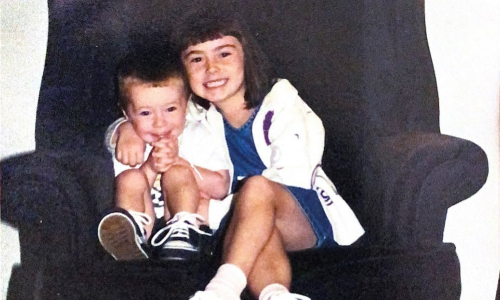
Cameron grew up in Saegertown, PA and was an incredibly bright and intelligent kid. Due to the nature of my work in the Navy, I was often far away while he stayed with his mom and older sister in Pennsylvania. Cameron was close with the entire family and despite our physical distance, we still spoke often, and he had a very happy childhood.
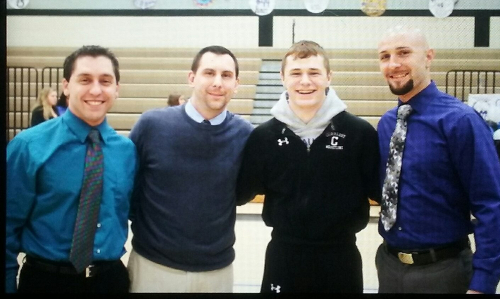
Cameron continued to be an outstanding student in high school. He was part of the varsity wrestling team where he excelled but unfortunately experienced a couple of severe concussions.

Communication started to fade during Cameron’s sophomore year. After a few of his head injuries, he felt depressed and pulled away from us a bit. Recovery wasn’t going as expected and he became increasingly frustrated. We were able to reel him back in for a while and it seemed as if he was all set to attend college the following year.
That is, until a recruiter from the Marines reached out and asked if Cameron was interested in joining. The next thing we knew, he was off to boot camp only one week after graduating from high school. He told us he wanted to branch out from what he was accustomed to and have his own purpose in life. After boot camp, he served a four-year enlistment and was deployed for six months to Iraq.
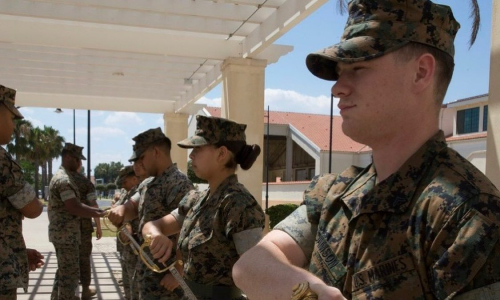
Upon his return, Cameron seemed like a different person. We knew Cameron had suffered from traumatic brain injuries (TBIs) while in the Marines; once in a car wreck and another while on deployment in Djibouti. He was more withdrawn from the family and preferred to be alone. A counselor suggested he was struggling with PTSD, but it was never officially diagnosed. We believe his changes in behavior were linked to the head injuries he suffered both during his time playing contact sports and in the military.
There were so many cracks Cameron fell through. I don’t think he had access to the appropriate resources he was looking for and needed. I was told he was getting help, but no one had any records of his care when I checked. He was passed around from one person to the next until his honorable discharge from the Marines. Though he originally had a job lined up, things didn’t work out as planned. I know Cameron felt left behind, watching his friends from high school going off to college, getting married, and buying a house. Yet here he was with nothing to show for his service.
Cameron was popular, talented, and loved by his many friends and family members. Yet he felt alone in his struggles.
It’s hard to see a possible lesson the moment you get the phone call. It’s difficult to find a meaning when you’re attending the funeral with their anguished mother, sister, and devastated friends. It’s challenging to feel like you’ve somehow been educated in all matters of life and death and the moments in between when you’re struggling to find their last text messages and re-listening to voicemails and holding onto whatever lingering piece of them you have left.
But time as pushed forward and the pain becomes a second skin and the longing becomes commonplace, you realize a death like this, a death that is self-inflicted and self-decided and self-manufactured, is a death with a lot of lessons.
When my son chose to end his own life, I learned that we should not blame ourselves as a family (but it is a difficult task). While there were moments, I believe we could have intervened and things we could have said, the complexity of individual’s decisions and the way in which those choices manifest are too layered and mosaic to possibly understand. We use our own hindsight against us, but even when it is 20/20, it is a filtered view. It is colored in guilt and agony and while it seems clear, it is nothing if not blurry.
I feel situational depression and in the days since Cameron died, believe it is in no way even close to what Cameron must have felt suffering from his depression. The despair and hopelessness I feel as a failed father are so tortuous, I can’t even imagine what Cameron was going through in his final days. A month or so before he died, Cameron told me he was fine and he was working to get his back on track, but also afraid. He could not (or would not) share with me what he was afraid of. Only now do I realize how much he must have been suffering.
I believe there are two possible reasons why some say suicide is a selfish act. The first may be an attempt to comfort the suicide loss survivor(s) in an effort to help shift the guilt burden (blame) to the one who died. The second reason may be that it is easier for them to say “suicide is a selfish act” rather than really try to process why someone would take their own life. Being a suicide loss survivor gives one much more perspective – I hope to use this perspective to educate others.
After Cameron’s passing, his sister Kayleigh suggested donating his brain to the UNITE Brain Bank. She had done some work and research in Boston for her PhD degree in psychology and recommended we reach out. We immediately agreed since it was a way to honor Cameron’s legacy and allow him to help others even after death. If his donation helps even one fellow veteran, he will have made a huge difference.
While there was no official diagnosis of Chronic Traumatic Encephalopathy (CTE), the researchers found disturbed white matter in Cameron’s brain. There is the possibility he was in the early stages of the disease, but it’s not definitive.
Since my son died by suicide, I learned that we rank death and, in turn, the level of mourning or heartache we should feel about it. While the result is the same, the manner in which a person dies somehow determines the manner in which the people left behind, should mourn. It’s strange, how we quantify death in order to fit our morals or beliefs or feelings of justice and vengeance.
I learned that death, itself, is strange.
I learned that while strangers react differently to the death of another stranger, depending on how they died, loves ones do not. Regardless of who or when or why or how, a loss is a loss to those who loved you most. The pain is the same. The sense of endless longing is the same. The forever wishes to see them one more time are the same.
I learned that if silence wasn’t considered a strength and vulnerability wasn’t considered a weakness, there would be far less funerals attended, and memorials visited.
I learned that there are moments in life, and in death, which do not come with answers. That while we so desperately need to understand the reasons why people do what they do or say what they say or believe what they believe, some things are not meant for understanding. That while it would calm our minds and hearts to know that our questions have conclusions, sometimes, it isn’t about our peace of mind. It is about theirs.
I learned that those left behind are not alone in their pain, nor are they particularly set apart because of it. Others have felt what you’ve felt and have tasted the tears you have tasted and have struggled to adequately describe it all. Just like you.
I learned that there is no single, foolproof path towards healing. While some need to talk, others desperately require the comfort of silence. While some seek solitude, others feel safe in a sea of strangers. While some need to saturate themselves with memories, others need distance and time before thinking about the one they lost. No way is right or wrong.
And I learned that, yes, there is a lesson to be learned at the end of every life, regardless of how that life was lost. That when the pain becomes a second skin and the longing becomes commonplace, you will be changed in a way that is both hurtful and helpful. Despite efforts to get him help, he slipped through our grasp. It is now that I must come to terms with the most brutal outcome for a parent: We could not save him.
And it is that knowledge that, perhaps, can help someone else.
Before it is too late.
I would highly encourage other families of veterans to consider donating their loved one brains as part of Project Enlist. Brain donation helps researchers gain a better understanding of the unique effects of military brain trauma exposure. I myself have also pledged my brain in the hopes of helping advance research for the next generation of veterans and servicemembers.
Suicide is preventable and help is available. If you are concerned that someone in your life may be suicidal, the five #BeThe1To steps are simple actions anyone can take to help someone in crisis. If you are struggling to cope and would like some emotional support, call the Suicide & Crisis Lifeline at 988 to connect with a trained counselor. It’s free, confidential, and available to everyone in the United States. You do not have to be suicidal to call. If you’re not comfortable talking on the phone, consider using the Lifeline Crisis Chat at https://988lifeline.org/chat/
Are you or someone you know struggling with lingering concussion symptoms? We support patients and families through the Concussion & CTE Foundation HelpLine, providing personalized help to those struggling with the outcomes of brain injury. Submit your request today and a dedicated member of the Concussion & CTE Foundation team will be happy to assist you.
Wayne Stuart Aiken
Mike Albarelli
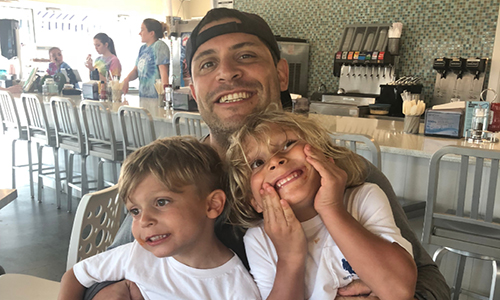
Mike Albarelli was a magnanimous man. He was the type of guy who walked into a room and would instantly lift the room’s energy. His smile was as big and broad as his body and he had a way of making you feel like you were the most special person in the room. He loved good conversations, funny banter, and making genuine connections with people. He had a deep belly laugh and a love for his friends and family as deep as the ocean. Our children meant everything to him.
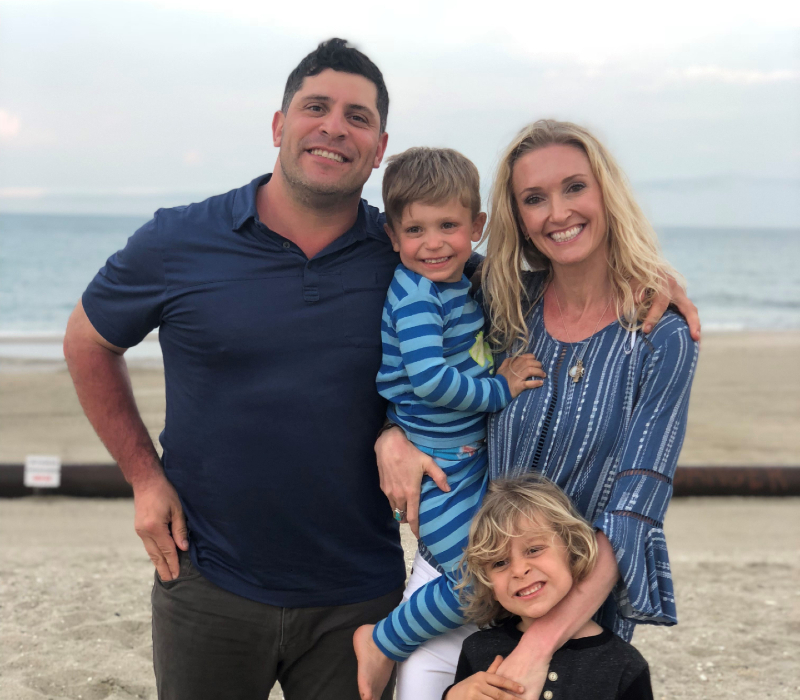
Mike and I met at Brown University where he was captain of the lacrosse team. Our very first conversation was about a Britney Spears concert we had both gone to. I was completely taken aback that such a big, burly guy had such a soft and kind soul. A bear on the outside and a mush on the inside, sensitive but strong; he was my dream combination. We spent countless hours sharing stories, laughing, hanging with friends, and creating a meaningful life together.
He was known by his teammates as an intense player who wore his heart on his sleeve and took all losses personally, whether he had played incredibly or poorly. He was the captain of every team he was ever on. He was the epitome of a good teammate. He intuitively knew what his teammates needed to be motivated to do their best. He would listen to music to pump himself up before a game, and then once adequately amped, he would share his energy with the rest of the team.
He did everything full-force. He wanted to be the best at everything. The best athlete, friend, husband, father, brother, the best at it all. He made the most out of every moment he spent on this earth. From skiing, to fishing, to golfing, to traveling the world, he wasn’t someone who ever sat on the sidelines.
He always told our boys that three things were important: always do your best, always finish what you start, and practice makes perfect. He lived up to these ideals until he couldn’t anymore. His unfolding is hard to write about because he had so much pride and when he was in a good place, he was unstoppable.
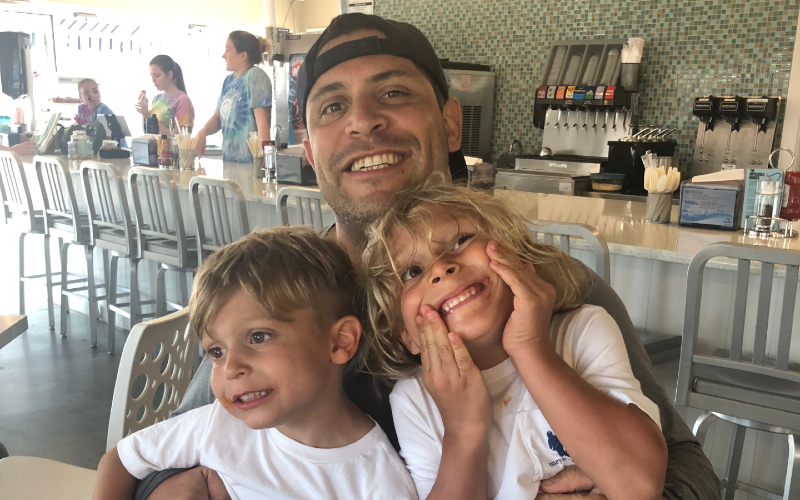
I feel like I slowly started to lose him a few years before he passed. Around 2015, he became more distant and more disconnected from his friends and family. He fell into patterns of drinking that created a major divide between who he wanted to be and who we were seeing. He and I both knew something was wrong. His ability to regulate his emotions and the emotions of others became paper thin. He tried so hard to be the best dad and the best husband, but he seemed pulled into a darker world, a place he could not find escape from for too long. It was hard on all of us, but hardest on him. I saw so many brief pockets of hope and clung onto those for dear life.
In the end, his demons won the battle. On July 30th, 2018, while intoxicated, Mike fell down the back stairs of our home all the way to the concrete foundation of our house. The impact led to a brain injury that ultimately ended his life. He was just 38 years old.
A year later we received confirmation from researchers at the UNITE Brain Bank that Mike suffered from Chronic Traumatic Encephalopathy (CTE). This came as no surprise to me and validated our worry that he was struggling more than he ever led on.
At the time of his death he was still highly functioning. He hadn’t started losing his memory, and he was still able to successfully operate as a successful CEO of a company. He may have seemed fine to others, but he was battling something internally that was pulling him away from himself. As his wife, it was hard to watch the man you love be unable to take care of himself and his family the way he would want to.
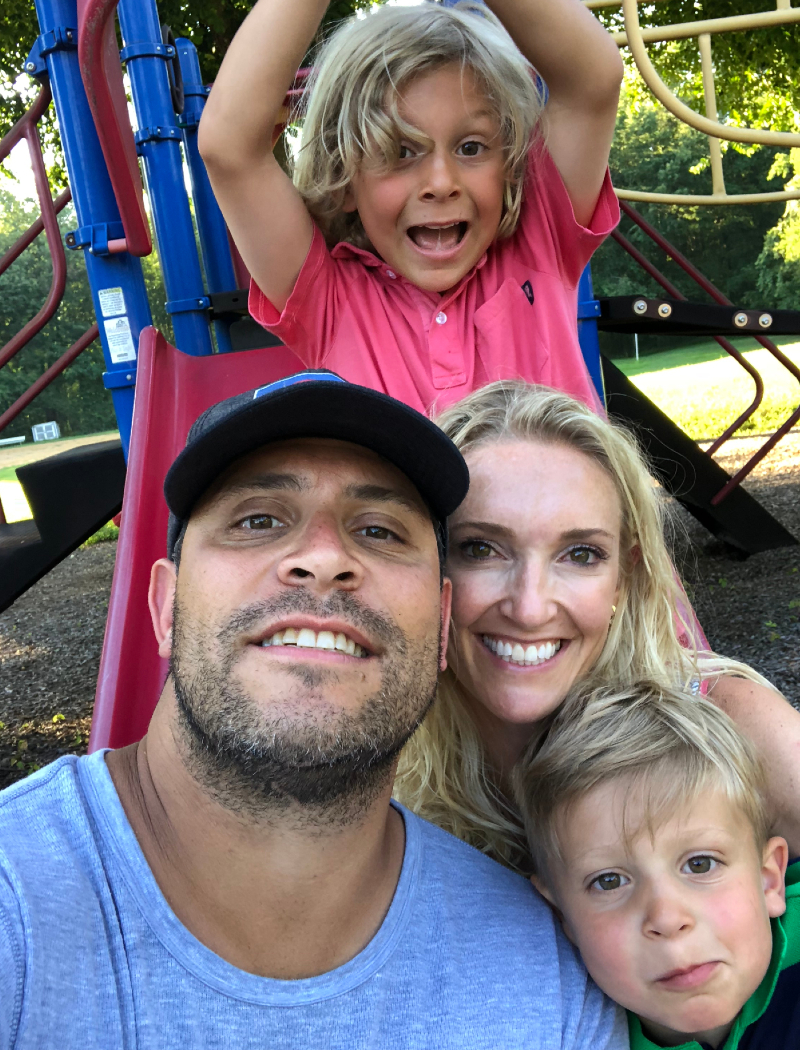
Mike’s impact on this world was profound. He would want his legacy of generosity, kindness and passion to be passed on. I am committed to working on spreading knowledge about CTE and helping families and loved ones learn to navigate the trauma and grief that comes with this degenerative brain disease.
Robert “Dice” Allardice
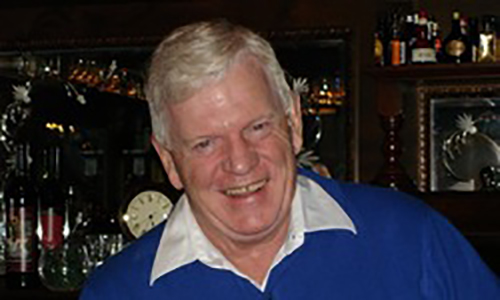
Robert Duncan Allardice was born on July 21, 1947 in Plainfield, New Jersey and moved to Pittsburgh, PA as a child. He was one of six siblings (5th born) four brothers and two sisters. He participated in Boy Scouting and was an Eagle Scout. He earned two varsity letters in football as a DE and HB at North Allegheny High School, one varsity letter in wrestling (180 lb. class) and three varsity letters in track and field for discus where he held a record (which legend has it…still stands). He was captain in track and field and co-captain in football. He went on to play football and wrestle at West Point, graduating with the class of 1969.
In October of 1968 while playing for the West Point football team as a defensive tackle, number 86, Dice sustained three concussions in one week, followed by a broken neck the very next week.
Dice appeared to recover, enough so that he graduated with the class of 1969 and was commissioned in the Quartermaster Corps. He was, however, not medically qualified for the combat arms. While at his first duty station he was rear ended in an auto accident. The resulting injury, along with those sustained at West Point, led to his medical retirement from the Army in September 1970. He joined the work force and had a successful life.
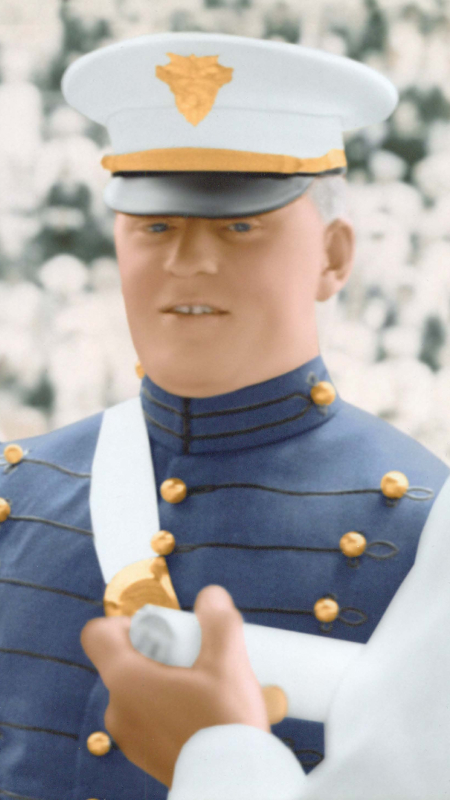
In 1996, the effects of the injuries that had taken away his dreams to serve his country began to manifest themselves more seriously. By his retirement in 2006 he was noticeably struggling, increasingly confused and losing his ability to communicate. His disease progressed quickly, systematically stripping him of his quality of life. During his courageous battle and before he lost his ability to communicate he made the decision to donate his brain to the UNITE Brain Bank for research. Robert passed away at the Durham VA’s Long-Term Community Living Center on November 7, 2014. As the story goes, 10 Games, 4 rushes for 26 yards, and Stage 3 Chronic Traumatic Encephalopathy (CTE).
Dice became the first known West Point graduate to have died with the disease known as Chronic Traumatic Encephalopathy (CTE), confirmed by Dr. Ann McKee and the research team at Boston University.
While the effects of his injuries at West Point took away his dreams as an athlete and the ability to serve his country, he never wavered in his love for West Point and his country. I believe, without a doubt that in choosing to be a Legacy Donor, Dice knew he could help to make a difference in the sport he loved. His brain donation places him at the forefront of research being done to develop safeguards to protect against brain injury, diagnose CTE in the living, and eventually find a cure for what is said to be a preventable neurodegenerative disease.
“Dice” was a man who believed that everyone he met held the potential to be his friend. He owned an infectious knee-buckling laugh, and could dance like no other. He was bound by his ties to West Point and the members of the Long Grey Line. He lived Duty, Honor, Country every day. Integrity was how he lived his life. He was fiercely loyal and an honorable man.
Make an online gift in memory of Robert.
Read Robert Allardice’s West Point story here.
John Allen
Jarred Alwan
David Anderson
Dick Biddle
Patrick Anderson
A HISTORY OF BRAIN TRAUMA, AND THE DEATH OF OUR JOYFUL BOY
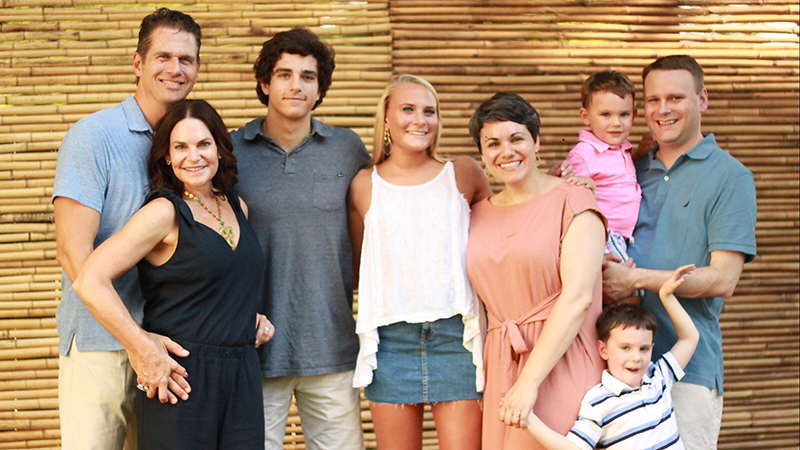
My earliest recollection of glimpsing Patrick’s true nature; mischievous jokester, lover of life, occurred at age three. Patrick decided it would be funny if he peed off the upper floor landing while his sister and I were standing in the hall on the first floor. He was giggling and grinning from ear to ear. Seconds after the shockwave came and went, the three of us were crying with laughter. Patrick could be so random! Like the time in high school he asked his friend to pull over while driving through a local park. Patrick jumped out of the car and ran over to a group of folks playing a giant game of Jenga. Without stopping or saying a word he tackled the game pieces rolled across the grass and trotted back to his friends! The video is hilarious. The shockwave for those folks lasted a little longer than a few seconds, his friends are in the car busting a gut! Making people laugh was Patrick’s passion.
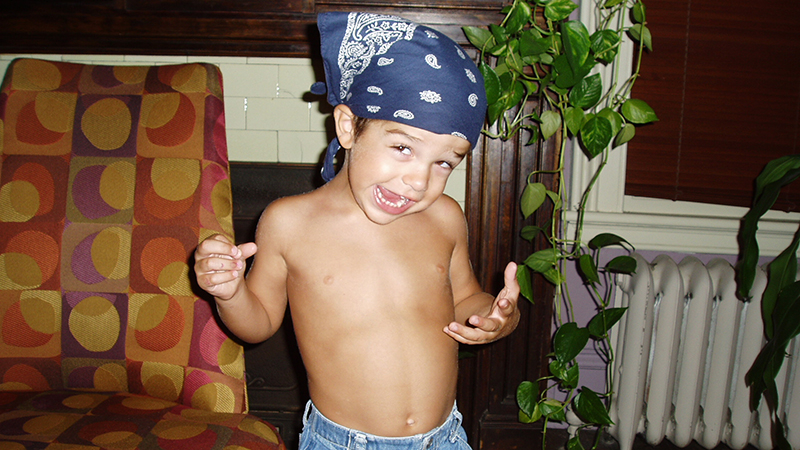
Patrick was beautiful. Kind and compassionate, he made friends easily. Patrick approached strangers like he wanted to be treated; with a smile, eye contact and a warm handshake. He didn’t see the color of their skin, or the clothes they were wearing, he saw the individual. Patrick was also blessed with natural physical abilities, instinctively aware of his physical boundaries from a very early age. “Monkeyboy” was his acquired nickname as he would literally climb anything deemed manageable by his young persona, which was most things. We were a good match, my parenting style encouraged discovery. If he felt physically capable of a feat, I rarely ever told him no. Believing in the “Art of Possibility” to build confidence in my children, I trusted their internal instincts.
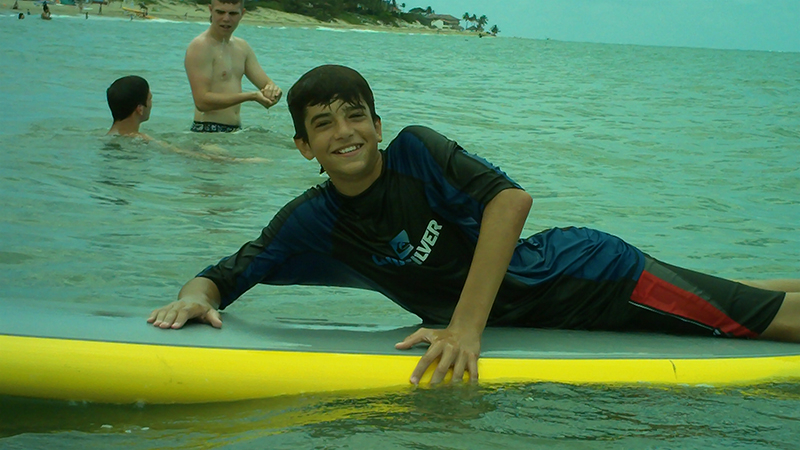
As Patrick grew older, he ventured into team sports but also had a passion for solo sports. Skimboarding was a favorite from an early age, he eventually acquired the skill to backflip off his skimboard while taking a wave. For obvious reasons this practice was not my favorite. In elementary school a skateboard was his favorite mode of transportation. Confidence, independence, and comfort in his own skin were all traits Patrick displayed from an early age. Patrick played football in the fourth and fifth grade. Being on a team with all African American boys, Patrick learned how it felt to be isolated, how it felt to be the kid that looked different. Navigating “how do I fit in” was an incredible lesson that Patrick never forgot. Patrick was loved by his teammates and he loved them back; he became their friend, their brother. The Tigers won the city championship two years in a row! When my sister asked him in middle school why he didn’t play football anymore he said, “it made my head hurt.”
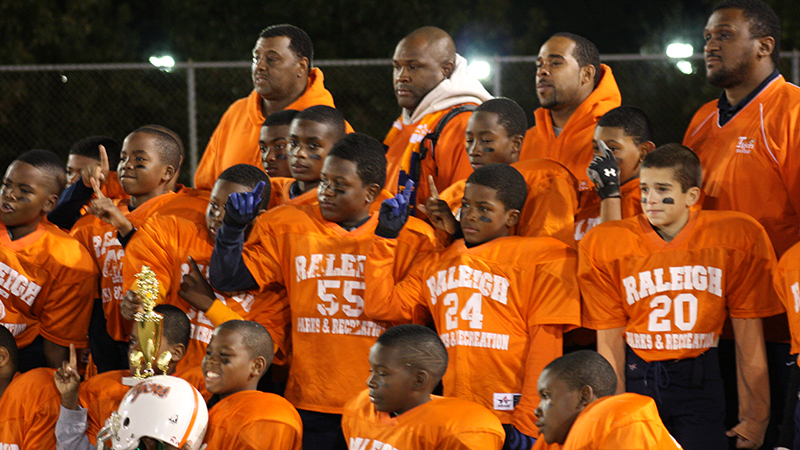
Patrick started kiteboarding and wakeboarding when he was 13, but his favorite was snowboarding which he started when he was nine. I’ll never forget the look on his face the first time I took him up to Peak 8 in Breckenridge. When he saw the drop into the bowl for the first time, he looked at me like I was the crazy one. I looked him in the eye and told him, “you have this, just follow me and you’ll do great.” Not only did he do great, he was hooked.
Patrick was my adventure buddy. We were adrenaline junkies. From the time he was little, it was always the two of us on family vacations jumping off cliffs/waterfalls and my husband and daughter watching and taking pictures.
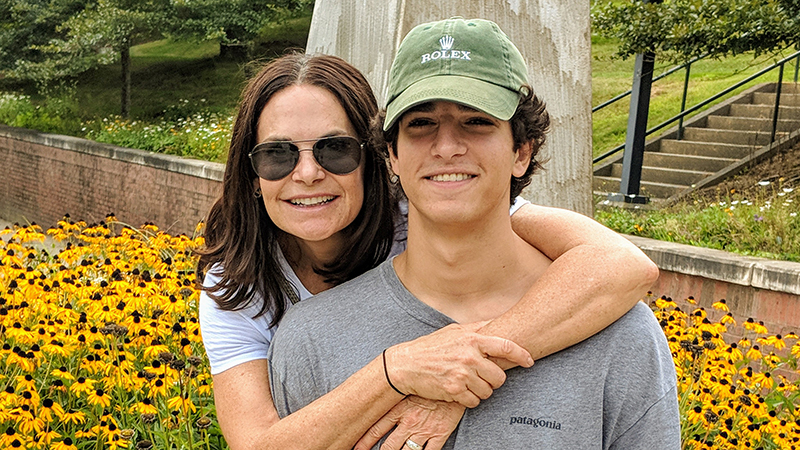
Patrick didn’t just have friends; he had a tribe. Kids naturally gravitated towards his non-judgmental attitude. His kind, compassionate nature along with his sense of humor and thirst to find the possibilities in every day was like a light to a moth. Kids were always at our house. The older he got the bigger the group became. I loved having them. Now that Patrick is gone, there is a quietness about the house during the months that he would naturally be home. It’s weird and it takes some getting used to. I play music to keep it from being so noticeable.
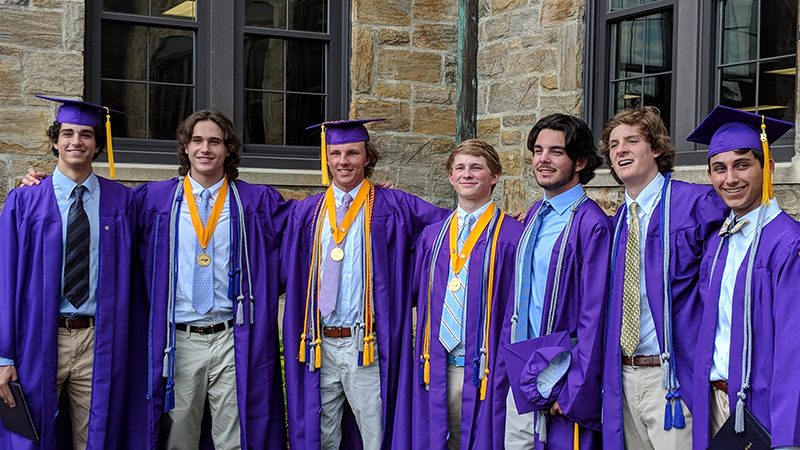
A HISTORY OF CONCUSSIONS
When Patrick was a sophomore in high school, he received his first diagnosed concussion. He was running and somehow tripped and hit his head on a concrete parking lot curb. Banged up pretty badly, we took him to urgent care, then to a private doctor the next day. His lacrosse coach was notified and concussion protocol was followed. Two weeks later he was cleared to practice and play with the team. He complained of headaches from time to time but when I took him to the doctor everything checked out OK. If I knew then what I know now, I would have taken him to a doctor who specializes in concussions.
Patrick’s senior year, he was sucker punched while trying to pull a boy off one of his best friends during an attack. It was dark and Patrick didn’t see the other kid coming. At 6’ 1”, Patrick fell backwards hard and was knocked out cold. Another boy who was there said Patrick was unconscious for about a minute.
A third concussion occurred the summer before he started his freshman year at Appalachian State University. Patrick and friends were wakeboarding on a trip to the beach, he wiped out, and the board hit him in the head. He was unconscious in the water for a few seconds. He didn’t go see a doctor after this incident and didn’t make us aware that it even happened until much later in the summer. We found a prescription for Ibuprofen amongst his things, he apparently was still having headaches from time to time.
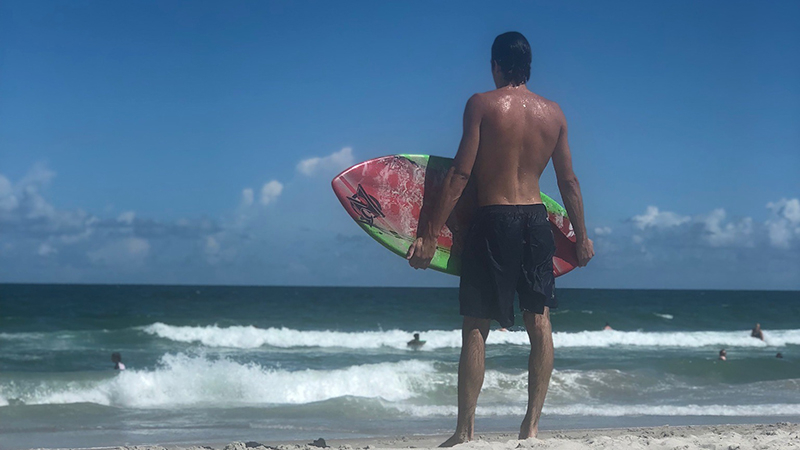
The last day Patrick was alive was Valentine’s Day 2019. This seems appropriate to me given his ability to love deeply. Other than being Valentine’s Day, it seemed to be a normal day for him at school. We texted back and forth, I sent him $50 and a funny pair of socks for the holiday. My husband talked to him several times that afternoon. He sent a funny picture of himself wearing protective goggles during a routine medical exam with a goofy smile on his face like he was in mid laughter! He put his deposit down on his apartment for the following year and he paid for his spring break trip.
Later that evening Patrick met up with his friends at the “cabin,” a regular hang out spot in Boone, NC. On his way out of the dorm, he ran into his good friend Hannah. She said they chatted for several minutes, caught up, and exchanged hugs before Patrick began his walk.
That night, the boys without girlfriends hung out, drank a few beers, started goofing around and being silly. At some point they started to joke-wrestle with each other. Patrick and another boy ended up falling over the porch railing and down a slight hill. They both said they were OK and the fun resumed. At 10:30 p.m. Patrick asked a girl to an upcoming formal, she said yes. Being a school night, the boys disbanded around 11:30 p.m. Patrick was there with his very best friend Palmer, who he said goodnight to and then walked back to his dorm alone.
There is video footage of Patrick walking into the dorm at 12:10 a.m. His roommate JT wasn’t yet home, he had fallen asleep in another friend’s dorm room. Video footage shows JT entering the dorm at approximately 3:00 a.m. Two minutes later 911 was called. JT tried to revive Patrick but he was gone.
No note, nothing in a text message, or email. Nothing in his sketchbook, no dark poetry. The police interviewed over 20 kids, not one said they noticed that Patrick was different, withdrawn, not himself. We, his family, had just spent 10 days in Belize over Christmas break. My husband bought us all tickets to go see Justin Timberlake in concert. We went to see the latest Marvel movie, Patrick’s favorite. Spent time just hanging around the house together. Everything seemed normal.
So, what happened? Why did this carefree kid, who loved his family, had multiple tribes, and felt blessed to be a part of this college experience at App State suddenly end his life?
This doesn’t make any sense. I realize that suicide survivors often say the same thing about their loved one that has passed. I strongly feel something is out of place. Intuitively, I would have known something was going on with Patrick. We were too close, there is no way I wouldn’t have felt an underlying pain if Patrick was hiding something.
BRAIN TRAUMA AND PATRICK: WHAT MIGHT HAVE HAPPENED.
Concussions, brain trauma and CTE had recently come into focus as more and more research, documentaries, and athletes stepped forward. With that in mind, my focus started to shift to Patrick’s past concussions and the fall he took the night he died. I remember thinking, the fall must have been significant because several of the boys mentioned it to me the day of his service. Was it possible that he hit his head that night during the fall and reinjured a part of his brain that had been previously damaged? While he was alone in his dorm room in the middle of the night did his brain experience an aneurism, did it short circuit somehow?
I connected with several psychic mediums to try and find answers. Through that process, I was able to communicate with Patrick and learn he felt very intense pressure deep in his head that night. He couldn’t process how dangerous his actions were and thought an escape from the pain would mean sleep, not death. This revelation was incredibly significant.
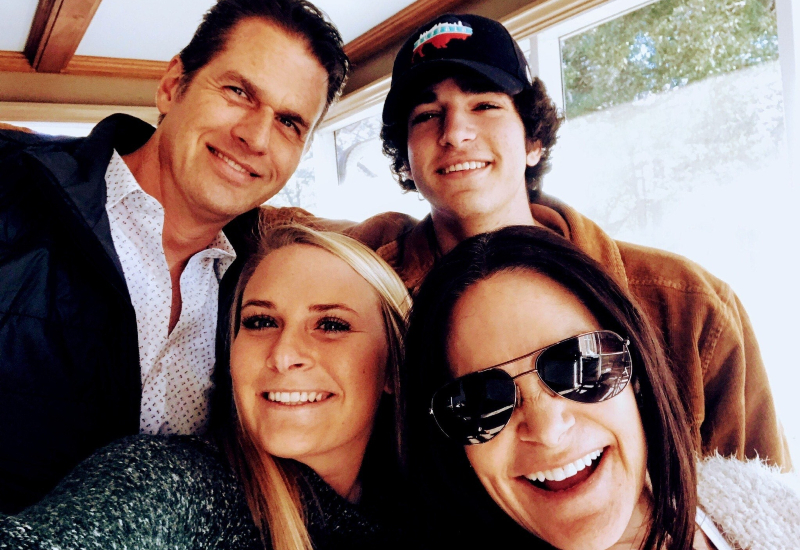
My goal in sharing my journey in connecting with my son after his death is to highlight the connection between brain trauma and suicide. Studies show suffering just one concussion doubles your risk of suicide. Even without any history of depression or observable changes in mood, it’s important for everyone to understand the potential link. Patrick wasn’t depressed, he was hopeful and full of life. Something happened in his brain that night that can’t fully be explained, not yet. My hope is there will be more research and more questions will be asked like, did the deceased recently experience a fall that could have damaged their brain? Was the deceased healing from a recent concussion? Unless this knowledge is documented, how can it be researched? How will we as a society be aware of the danger without awareness and education?
Click here to donate to the Anderson family fundraiser in memory of Patrick Anderson.
Suicide is preventable and help is available. If you are concerned that someone in your life may be suicidal, the five #BeThe1To steps are simple actions anyone can take to help someone in crisis. If you are struggling to cope and would like some emotional support, call the 988 Lifeline at 988 to connect with a trained counselor. It’s free, confidential, and available to everyone in the United States. You do not have to be suicidal to call.
Are you or someone you know struggling with lingering concussion symptoms? We support patients and families through the Concussion & CTE Foundation HelpLine, providing personalized help to those struggling with the outcomes of brain injury. Submit your request today and a dedicated member of the Concussion & CTE Foundation team will be happy to assist you.
This story adheres to the Recommendations for Reporting on Suicide from reportingonsuicide.org