Posted: February 1, 2021
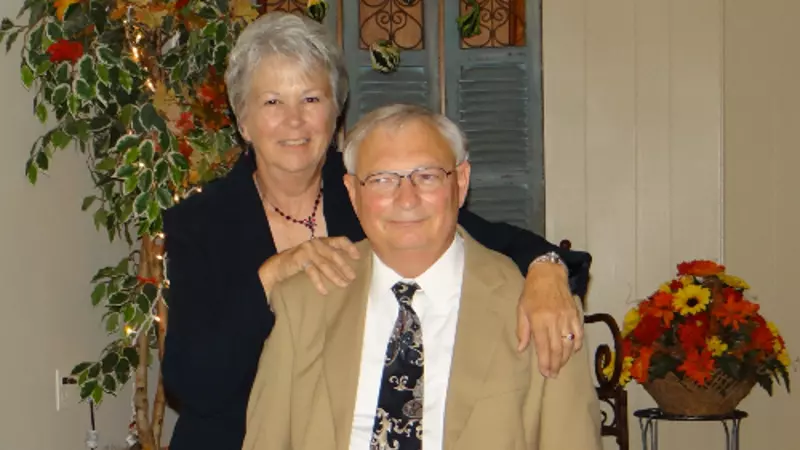
My husband and I celebrated our 46th anniversary on June 1st, 2019. It was a celebration filled with many memories of our lives together that, sadly, only one of us can grasp.
My husband Steve suffers from what doctors tell us is a probable diagnosis of the degenerative brain disease Chronic Traumatic Encephalopathy (CTE). When we were married 46 years ago, we began our lives together as minister and wife. We pastored churches in Maine, New York, Tennessee, and Pennsylvania until he retired in 2016. At that time, we had no idea what was causing his myriad of debilitating and bizarre symptoms.
Steve grew up not far from New York City and was heavily involved in sports. He found solace in competition as an outlet where he could excel and receive the recognition he longed for. He was a gifted gymnast and played baseball and basketball; but his greatest love was football. He started playing his freshman year of high school and continued all four years in positions for which he was totally unqualified. He was 5’9″ and barely reached 140 pounds. Nonetheless, he played everything from lineman to quarterback with the drive of a professional athlete at the top of his game. During that time, he had five concussions bad enough to take him out of games.
He may have suffered several others that went undiagnosed because he played through them. We’ll never know. What we do know is that Steve never missed a single game in those four years, playing for a team that only lost once during his career. Looking back, we realize that means Steve took thousands of potentially damaging hits to the head during his high school career, including one that even broke his helmet in a game. It wasn’t until years later we discovered, from tests showing evidence of trauma, he must have fractured his skull from the hit.
Steve was offered an athletic scholarship to play football at a small college but, in a decision that seems more like a miracle now, he opted to train for ministry at a bible college instead. It was there where Steve and I met back in 1971. After college, we settled in upstate New York so he could continue his career as a pastor. Steve missed playing sports, though, and decided to try out for a semi-pro football team near Albany. He made the team, but my gut told me it was a bad decision, and I pushed back. At the time I didn’t know much about brain trauma, but now I’m incredibly thankful I put my foot down.
Throughout our marriage Steve sustained 15 more concussions that we could document, most of which were caused by recreational basketball. One was from a bad fall down the stairs, another happened during a car accident, and one of the most severe was when he took a line-drive softball to the temple. It seemed to become easier and easier for him to get a concussion even with a relatively light hit. The very last one occurred when he hit his head on the bottom of a table and lost consciousness.
Steve’s present condition did not come on quickly but was more of a slow decline with so many symptoms that did not seem related at the time. He has been treated for depression since 1996 and probably should have started that treatment sooner. He began having migraines around that time. He began drinking regularly and showed other signs of poor judgment and became very impulsive. He would occasionally have memory blackouts where he couldn’t recall where he had been or what he had done. We didn’t mention any of these symptoms to our doctor, though, because they weren’t happening on a regular basis.
In 2000 we moved to Pennsylvania. Steve’s drinking and blackouts became more frequent. We left ministry entirely after he spent a week in a psychiatric hospital followed by a 14-day stay in a rehab facility.
No longer a pastor, Steve struggled to find a place of employment. He found work with the county human service department as a caseworker and then with the probation department as a juvenile probation officer. In 2009 we took up church ministry again and kept at it until 2016 when he finally decided he could no longer manage the responsibility. There were times when Steve would go blank in the pulpit and forget what he was supposed to say and do.
During that time, he also started studying to get a master’s degree in counseling and planned to open a practice after he retired. He had to give that up just short of graduating because the cognitive demands of the studies became too much to handle. He later received a counseling certificate in the hopes of gaining traction again.
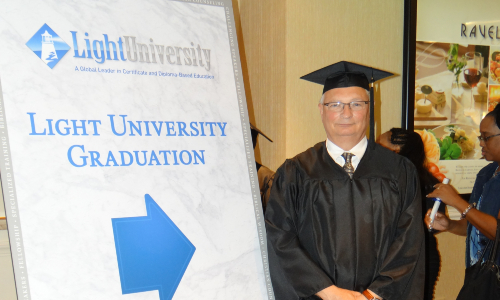
In 2016, we moved to our current home to be near our daughter and family. Steve picked up part-time work as a drug counselor. Ordinarily this would have been a good fit if he had been healthy in body and mind, but it instead became an opportunity for him to become involved in drugs himself. His use of crack cocaine and heroin went on for about six weeks. He nearly died before I tracked down what was going on. By then I knew our world was falling apart and he had totally lost control.
What followed was two stays in a residential rehab center and one suicide attempt. We made a trip back to the neurologist who was treating him for migraines. He did more testing and finally came out with the probable diagnosis of Chronic Traumatic Encephalopathy (CTE). I was floored. For one thing, I had no idea exactly what it meant regarding a prognosis. Could CTE be treated or cured? As we talked to the doctor it became clear it was most likely the root of Steve’s problems for years, but we didn’t realize it.
This doctor was the first to ask us to write down Steve’s concussion history, dating all the way back to high school. It was like the light came on in a very dark room and we could see the pieces come together.
The doctor then put together a drug regimen to treat Steve’s various symptoms, especially the depression. We also went to a psychiatrist who was able to tweak the drugs a little more and address the hallucinations and insomnia. Steve is also diabetic, has high blood pressure, and restless leg syndrome. We are blessed to have a general practitioner who has treated Steve for years for the more common issues but was quick to educate himself about CTE to support the specialist’s directions.
It was around this time I had to face what Steve’s illness had done to our finances. There were loans and lines of credit I wasn’t aware of and the credit cards were maxed out. Then I discovered he had been selling the few valuable things we owned. I got him to sign a power of attorney over to me so I could deal with the finances without his input. It was quickly apparent that bankruptcy was the only way to save the house and get rid of the debt.
Even with good insurance the medical bills started piling up. That was when I went to the Office of Aging here in Pennsylvania and sought help. Since we are both on social security and I only work part-time, we easily qualified for Medicaid. I had to swallow my pride and accept any assistance that was available. Thanks to this assistance, we now have a nursing aide who will stay with Steve while I work to ease the burden on family members who are assisting as well.
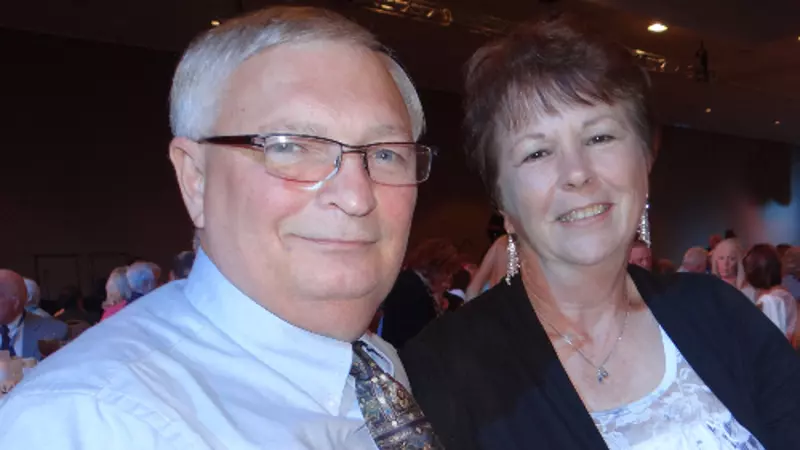
Dealing with this disease is a daily journey and I’ve learned each day will be different. He may feel like going for a walk one day, but the next he will barely move or speak. At any given time, he may lose speech, sight, leg function, memory, voice, or appetite. He may forget where he is, forget a person, forget the day of the week, the time, or who has died in his past. He becomes belligerent but not violent and lacks emotion but is still suicidal. The most difficult part is coping with the brief moments of normalcy, where Steve is coherent and can understand he is ill and knows he will only get worse. It’s a constant battle of one step forward and three steps back.
We are both sustained by a circle of faithful friends and our faith in a God who still cares and watches over us. We will continue to move forward and deal with each day as it presents.
We know there are many other families struggling to care for a loved one with possible CTE. We’re praying for them to receive God’s grace to sustain them during difficult times.