
Jim Huge was a standout athlete in his youth, excelling at football and basketball and playing both sports at the University of Nebraska. He went on to have a successful career in education and leadership, finding great joy in teaching and mentoring others. During Jim’s later years, he struggled with anxiety and memory issues. After his death in September 2024, Jim’s brain was donated to the UNITE Brain Bank for study. Below, Jim’s wife Laura shares his Legacy Story in the hopes we can End CTE for future generations.
Early Life in Nebraska
Jim Huge grew up in rural Nebraska as the middle of three high-energy boys, learning both the value of hard work and the joy of all-out physical play. He participated fully in athletic, academic, and community activities, and was a standout athlete in football and basketball. He played both sports at the University of Nebraska and in 1962 was recognized as an Academic All-American.
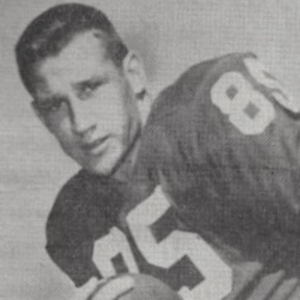
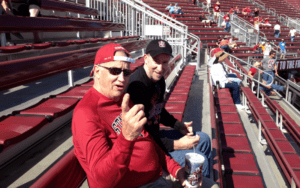
During Jim’s football career, he suffered 11 known concussions, including a head-on impact with another player which crushed his helmet. He loved his teammates like family and put everything on the line for them. After graduation, Jim continued his involvement with Nebraska football as a game day radio broadcaster. He remained a lifelong fan and supporter of UNL athletics.
Jim deeply loved his family, and his happiest times were those spent with loved ones. He was generous and playful, and his grandchildren were a special joy. In his final year, he eagerly anticipated the arrival of his first two great-granddaughters. Jim was everyone’s greatest champion – actively encouraging them to pursue their dreams and passions.
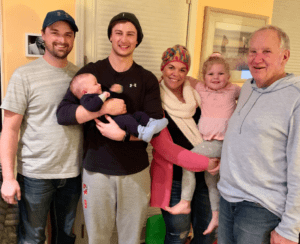
But it wasn’t only Jim’s family who received his support; he took genuine interest in every individual he met. Jim made friends, colleagues, and even casual acquaintances feel important. Outgoing and kind, he treated everyone he met like a friend, and people were naturally drawn to him.
Jim was an accomplished leader in education, serving as a high school principal in Manhattan, Kansas, and Lincoln, Nebraska. He went on to become the superintendent in Natrona County, Wyoming, and in the Cherry Creek School District in Denver. Jim transitioned into leadership consulting, guiding educators across the nation and internationally. A compelling public speaker and gifted facilitator, he found deep satisfaction in coaching others and celebrating their successes. Jim never fully retired, continuing to mentor clients to the very end.
Concussion Effects
From childhood on, Jim suffered persistent, nearly constant migraines but he rarely complained about his health. In fact, he often expressed empathy for others with more serious health problems. He said he was conditioned to work through illness and injury.
As Jim aged, his health declined, yet he carried himself with that same strength and stoicism. He suffered from coronary artery disease and arrhythmia, dizziness and falls, septic shock, and severe abdominal pain. In addition, he experienced mild forgetfulness, anxiety, occasional difficulty with speaking, and became more emotional and readily brought to tears. I served as Jim’s caregiver, but he strove to maintain his autonomy as much as possible.

We sought answers from medical professionals, and Jim endured innumerable procedures, emergency room visits, and hospitalizations. Despite the expertise available, there was no conclusive diagnosis or treatment plan.
As Jim reflected on his concussion history, he began to wonder if he might be dealing with CTE. Although his symptoms weren’t as severe as others who were eventually diagnosed, he was still concerned about his decline in cognition and physical health. He also feared for how our family might be affected if his condition worsened.
Jim’s Lasting Legacy
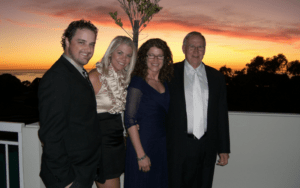
Jim took it upon himself to learn how brain donation is advancing CTE research and firmly believed it is critical to preventing future instances of the disease. He decided to pledge his brain for study and made sure we all knew of his wishes. With his characteristic humor, he mentioned wanting to be present to learn the results.
Upon Jim’s death in 2024, we reached out to the UNITE Brain Bank and arranged for his brain donation. After studying the tissue and a thorough clinical review of his health, symptoms, and athletic history, we were given the results: Jim’s brain did not show signs of CTE. Researchers did see signs of advanced cardiac disease, as well as damage from multiple strokes. We’d been aware of only one small stroke, from which he had fully recovered, so this came as a surprise.
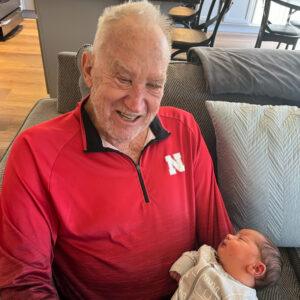
Jim donated his brain to help researchers identify factors that can help prevent this terrible disease. How did Jim differ from others who have been diagnosed with CTE? Was there something specific about the structure of his brain? Did some of his other health conditions play a part?
We are proud part of Jim’s legacy will live on through research so one day, we can finally End CTE. We hope his participation in this important work helps improve the safety of contact sports and leads to a future where players can enjoy athletics without suffering the devastating impacts of CTE.
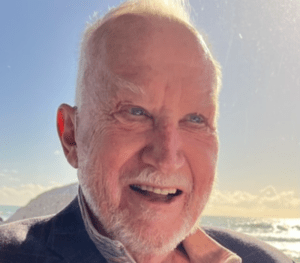
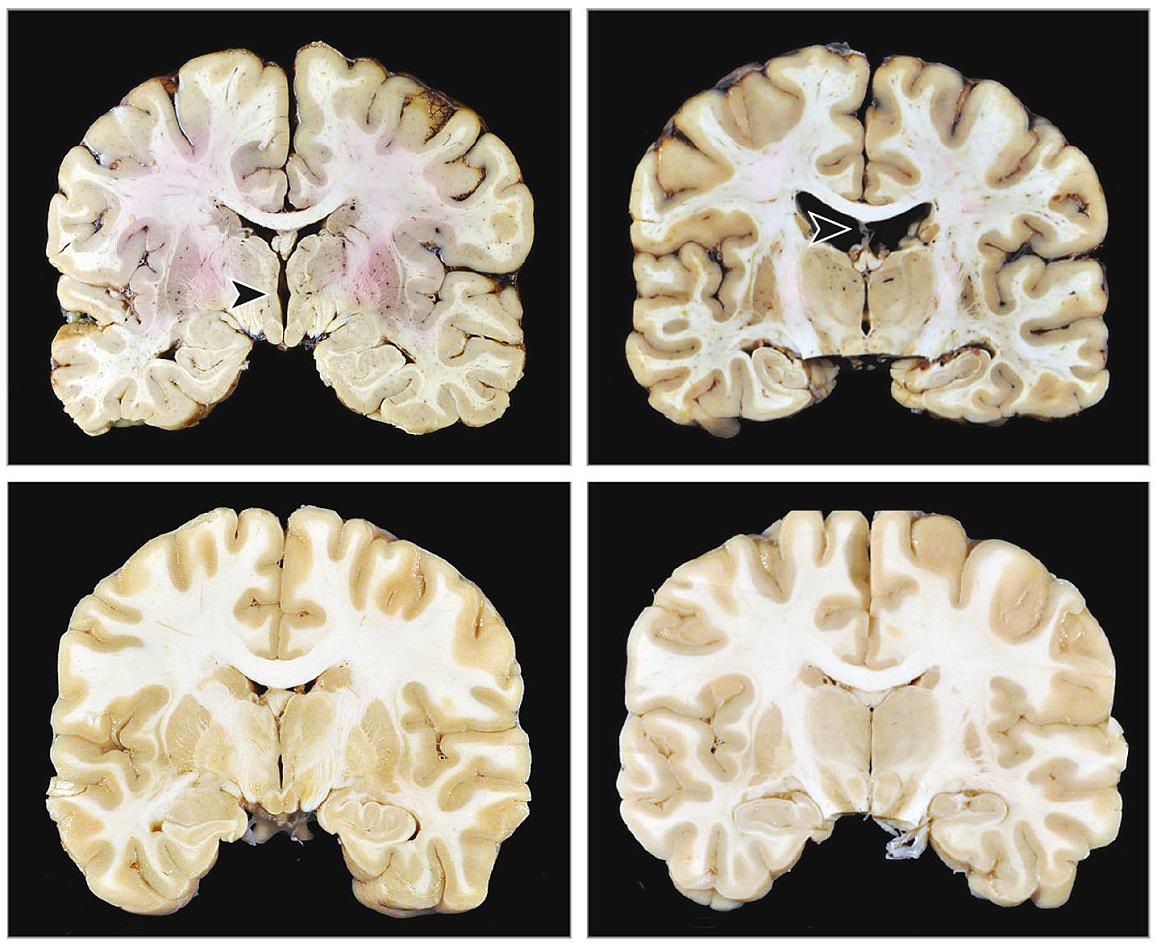
Learn about symptoms, risk factors, and what causes the neurodegenerative disease Chronic Traumatic Encephalopathy (CTE).

Through education and prevention programs, and research with our Global Brain Bank partners, we’re working tirelessly to End CTE.