
Devon Wylie was a force of nature on the football field. A talented athlete since birth, Devon’s ability led to a scholarship with the Fresno State Bulldogs before he was drafted by the Kansas City Chiefs. After his playing career was over, friends and family noticed Devon’s behavior changing and he started to struggle with addiction. Devon passed away in November 2023 at the age of 35. His brain was donated to the UNITE Brain Bank for study, where researchers diagnosed him with stage 3 (of 4) CTE. Below, Devon’s brother Doug and sister Dené share his Legacy Story in the hopes others participate in research to help the next generation of athletes.
Monsters
Beneath your bed
What’s real? What’s in your head?
Moon’s out
My mother’s house is empty
Come and find me now
Sweet heat lightning falls
Blue crack of light, and that’s all
Calling you to sing
– “Sweet Heat Lightning”, Gregory Alan Isakov
Uncoverable
It’s late in the fourth quarter and the Boise State football team is having their way with the Fresno State Bulldogs. It’s a shutout to this point, zero to a million. A lone figure paces at the 20-yard line, eyes forward, waiting for a rare punt on this hot Saturday evening in Fresno. The kick is aloft and lands smoothly into #7’s arms.
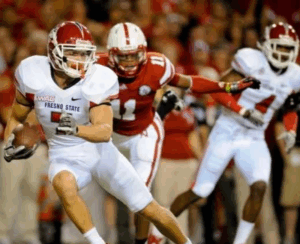
Without even looking, he evades the first defender out of instinct and covers five yards in a blink. In another flash, he accelerates to midfield, passing the rest of his opponents. The remaining Fresno fans erupt, cheering loudly as he reaches the end zone.
During his time playing football, Devon Wylie would command the attention of entire stadiums. At home games, fans would anticipate his lightning-fast reflexes and blazing speed every time he touched the ball. When he was a visiting player at places like the University of Nebraska, the crowd of 85,000 went silent as they watched him return a punt in a dazzling display of quickness, balance, and grace.
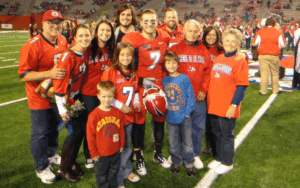
“Wiggles” and “Flash” were just a few of the nicknames used to describe Devon, highlighting his innate ability to move at incredible speeds. He truly was like a fearless flash that was brilliant and beautiful, impossible to not watch in awe. Yet also like a flash, he was gone too soon for those who knew and loved him.
Passion for Football
The natural athleticism Devon possessed was clear from an early age. He took up the rollerblading craze of the 1990s with abandon, skating half-pipes and handrails well beyond his years. At nine years old, he was landing 540-degree rotations with ease. On the trampoline, he learned to take this trick and alter the spinning axis on his side, a move called a misty flip that became his favorite stunt to pull off, rollerblading into pools, on a beach, or on the field.
As soon as Devon was old enough, he joined Pop Warner football, playing for the newly minted Junior Grizzlies in their inaugural season in Northern California, where he grew up. The offense was engineered around a slotback who ran in motion nearly every play; the fly sweep was their bread and butter. Coaches found the quick-footed blonde kid perfect for the position, which he would play all the way until graduation from Granite Bay High School.
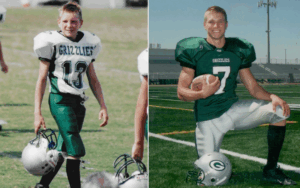
Not only was Devon great at football, but he was a talented track and field athlete as well, thanks to his gifted speed. He went to sectional championships for the 100-yard sprint in track at Granite Bay and held all-time records for the 40-yard dash both in high school and college. Fast was honestly an understatement; twitchy, explosive, and dynamic were all part of the framework that was Devon Wylie.
Scouts from USC, Wyoming, and Fresno State recruited Devon to play football at their school, and he ultimately ended up choosing Fresno State, where he played his entire college career. He participated at the 2012 NFL Combine, posting a top five 40-yard dash time among all receivers. Later that spring, he was drafted in the fourth round by the Kansas City Chiefs.
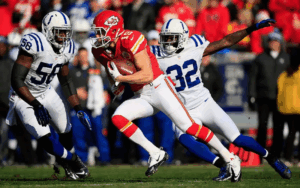
Devon spent two seasons living his longtime dream of playing in the NFL with the Chiefs and several other teams, and another season on practice squads after unfortunate injuries began to hamper his performance. He then finished his football career in the Canadian Football League, being utilized in many different positions to showcase his elite speed.
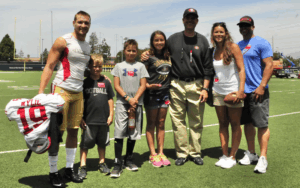
Love for Other Pursuits
Professional athletes often say retiring from their sport, particularly one as intense as football, leaves them detached, unanchored, and purposeless. Devon fortunately had other passions he pursued, primarily music. He loved to sing and play the guitar, mainly covers of groups such as Dave Matthews Band, Alice in Chains, Audioslave, and other mashups of 80s, 90s, and 2000s alternative rock and R&B.
Self-taught, Devon had the ability to hear songs and put them into guitar chords on the spot. At Fresno State, he formed the band Splash with teammates, performing at parties around school and later even singing and playing the first dance for a best friend’s wedding. Funny, witty, and passionate, he was charisma personified on stage.
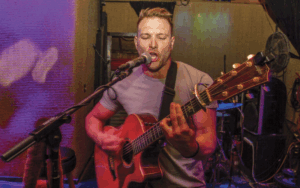
When football ended, the San Diego Reader featured Devon in an article for his performances at the 710 Club in Pacific Beach, where he was a mainstay of the open mic lineup. He also became involved in the local beach volleyball scene, where he thrived. Everyone at the self-titled Honey Hole Volleyball court had a Devon-appointed nickname; Griz, Tortuga, Shaman, all names he used to empower his friends and help overcome their insecurities.
Changing Behavior
Devon moved back to California to be closer to family and friends and began working in the athletic equipment industry. He never found satisfaction or purpose in his day job, soon quitting and never settling into another career.
It was around this time evidence of Devon’s diminished mental capacity was showing itself to those nearest to him. He frequently described feeling as if he’d had ADHD, forgetting conversations from the previous day. He appeared scattered and unfocused, struggling to do simple tasks for more than a few minutes. And while Devon was never officially diagnosed, those of us closest to him could tell he was suffering more than he’d let on.
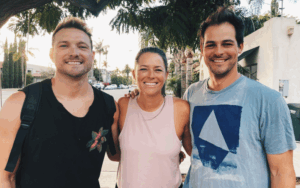
Substance abuse also became a problem. Injuries were frequent throughout his football career: torn ligaments, broken bones, and repetitive head injuries were treated with high dosage prescription opioids, leading to addiction. The COVID-19 pandemic kept Devon isolated, stifling his outgoing and extroverted personality. It undoubtedly drove him into the recesses of his already compromised mental state.
In 2020, Devon had his first DUI and a spiral of addiction, declining health, and what was later confirmed to be CTE wrecked a bright star, an athletic, fun-loving, and charismatic uncle, friend, brother, and son. He struggled in his relationships as he lost touch with reality. Interventions by loved ones ensued, but to very little avail.
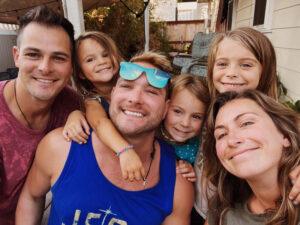
At the end of his life, Devon had severed most relationships and devolved into a hollow shell of his being. The smile and personality which brought so much joy to those around him was gone. He would send cryptic and scathing text messages to family members characterizing himself as victimized, abandoned, and worthless. On November 11, 2023, Devon Wylie was found dead at the age of 35. He’d been living homeless in a shopping center in Florida and overdosed from a combination of fentanyl, methamphetamines, and excessive alcohol.
Devon’s Legacy
Word spread quickly about Devon, the untimely death of a young former NFL player. We were contacted by Dr. Chris Nowinski from the Concussion & CTE Foundation who asked if we’d be willing to donate Devon’s brain for study at the UNITE Brain Bank.
The discussion within our family was brief and we quickly agreed to do so. We wanted to help anyone and everyone who might find themselves in the same situation as us. We continue to hope that despite tragedy, Devon’s contribution to research can help find answers to prevent this horrible disease.
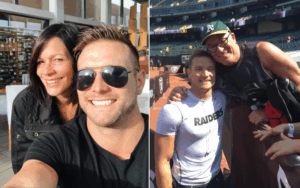
Upon conclusion of the study, Dr. Ann McKee of the BU CTE Center informed us of Devon’s diagnosis: stage 3 (of 4) CTE. Although hard to hear the news, we are thankful to know what was really going on with Dev. We would like to thank all the doctors and staff who helped walk us through this difficult process.
On behalf of our family, we ask that any athletes who’ve played football to please consider pledging your brain or participating in ongoing research. It is only through these continued studies that diagnosis during life, and one day, a cure for CTE may be possible.
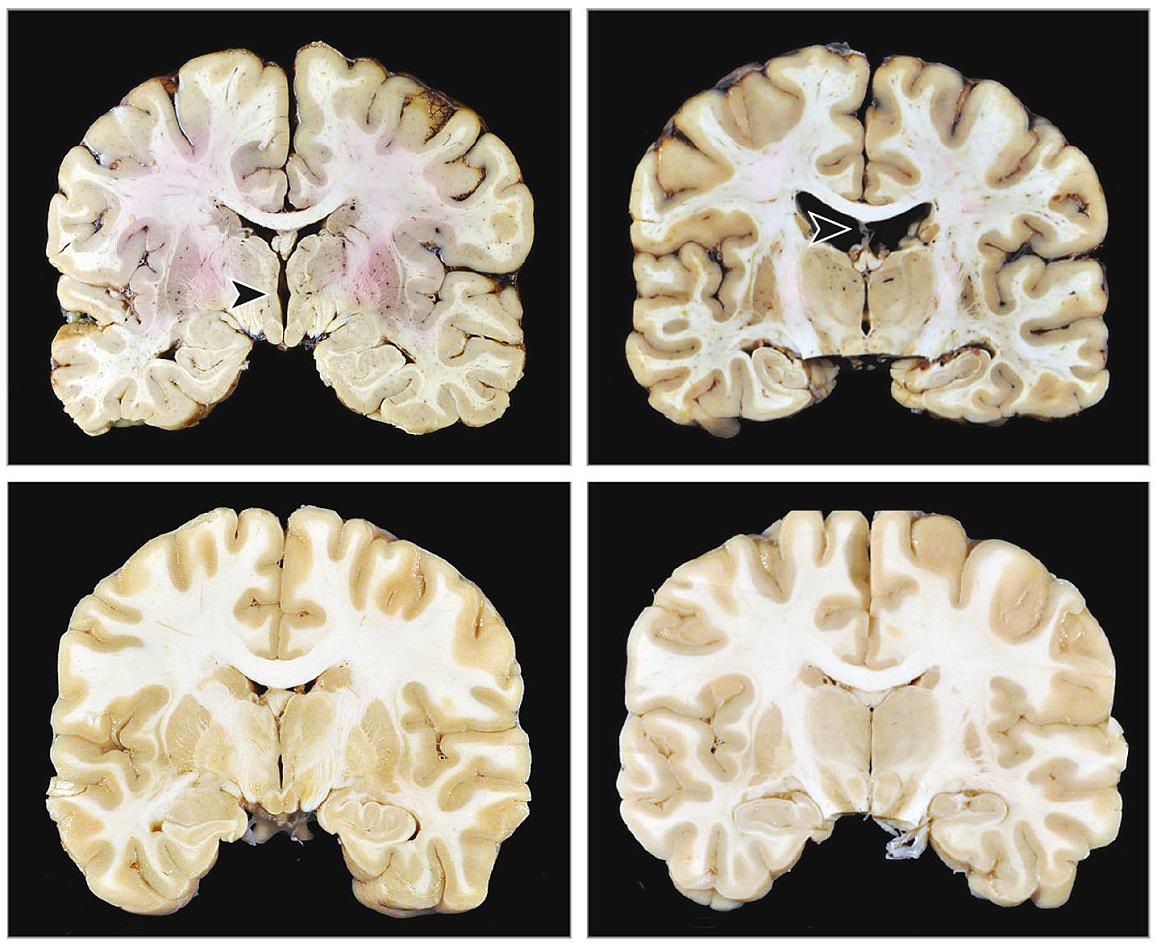
Learn about symptoms, risk factors, and what causes the neurodegenerative disease Chronic Traumatic Encephalopathy (CTE).
Through education and prevention programs, and research with our Global Brain Bank partners, we’re working tirelessly to End CTE.