Beginnings and Earliest Concussions
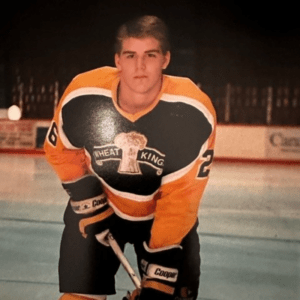
Cam Brown spent his life doing what he loved. From the time he first stepped onto the ice, hockey was part of his identity. He went on to play professionally for many years, earning the respect of teammates for his toughness, leadership, and love of the game.
Away from hockey, Cam was a devoted father to Logan and Rhyan, a proud grandfather, a loving husband, and someone who embraced adventure. During the six years we shared together, we traveled extensively, visited nearly every destination on his bucket list, and built a life filled with laughter, love, and everyday moments that I will always treasure.
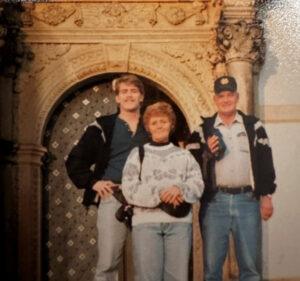
Like many players of his era, Cam experienced repeated head impacts throughout his hockey career. Concussions were simply considered part of the game. Neither of us understood at the time the long-term consequences those injuries could have in the decades ahead.
Changes in Cam
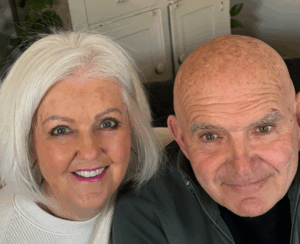
When I first met Cam in our twenties, he was disciplined, patient, emotionally steady, and deeply thoughtful. After reconnecting years later, those qualities were still very much part of who he was. Over time, however, I began noticing changes. His emotional regulation became more difficult, and he was impulsive. His memory became less reliable and alcohol often magnified behaviors that seemed completely unlike the man I knew. The hardest part was that Cam recognized he wasn’t himself. More than once, he said to me, “Something’s wrong with my brain.” Neither of us knew why.

Those changes were confusing and painful for both of us. There were times I questioned whether I was losing the man I had always known. Looking back now, I realize we were watching a progressive disease slowly take over someone who was fighting to remain himself.
Following Cam’s death in a motorcycle accident in October 2025, the decision was made to donate his brain to the BU CTE Center in hopes of finding answers and contributing to research that might help future athletes and families. Researchers confirmed his neuropathological examination: stage 3 CTE.
Receiving that diagnosis was heartbreaking, but it also brought clarity. It confirmed that the changes we had witnessed were real and had a neurological explanation. It also gave us an understanding that very few families receive: we were able to see the future that likely awaited him. While I would have chosen more time with Cam in a heartbeat, I’m glad he would not have to endure the progressive loss of independence he feared most. He often told me that if his time came, he hoped it would be quick, rather than after years of decline. The results of his brain study brought our family a measure of peace.

Cam’s Lasting Legacy
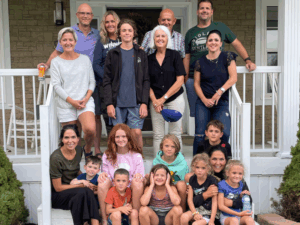
CTE is not Cam’s legacy. His legacy is the life he lived. He played the game he loved for as long as he could. He raised two wonderful children. He found forgiveness where there had once been bitterness. He became a grandfather and cherished every moment of it. Most importantly, he loved deeply and was deeply loved in return.

If there is one message I hope other families take away from Cam’s story, it is this: if your loved one tells you something feels wrong, believe them. If their personality begins changing in ways that doesn’t make sense, seek help and keep asking questions. CTE may explain behaviors that seem impossible to understand, but it does not erase the person you love. I still believe the kind, gentle, thoughtful man I met in my twenties was the real Cam. The diagnosis did not change who he was, it helped explain what was happening to him.
Our decision to donate Cam’s brain was his final contribution to the game that gave him so much. If his story helps another family find answers sooner than we did, then his legacy continues long after the final buzzer.