My Second Birthday

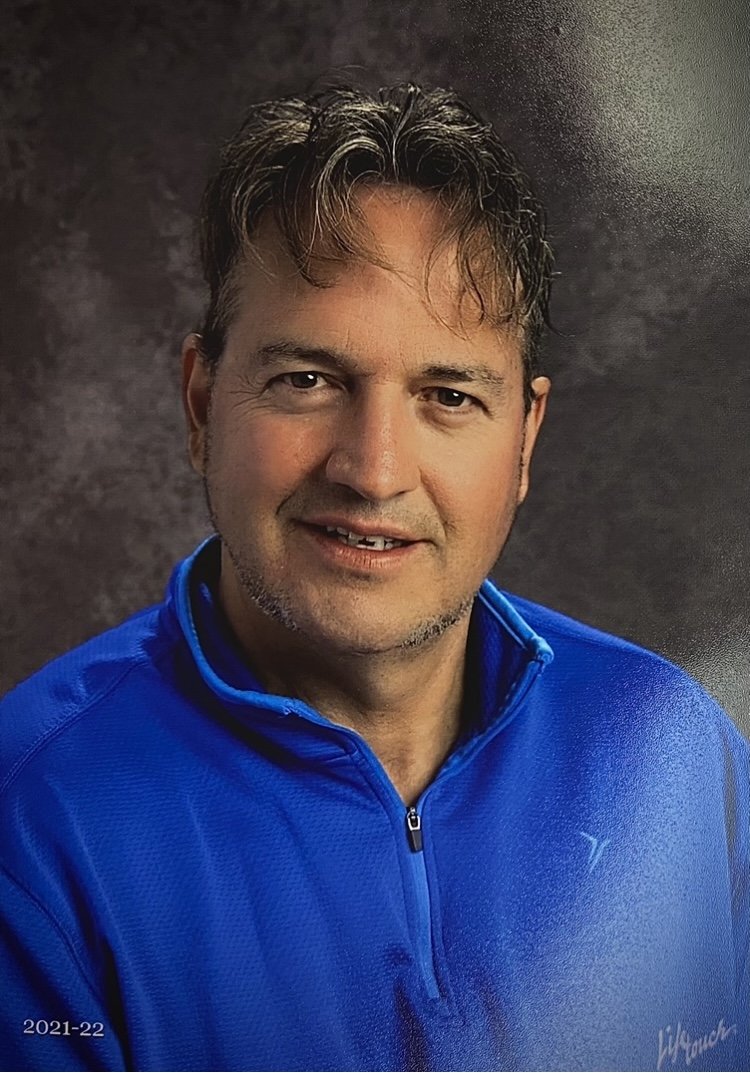
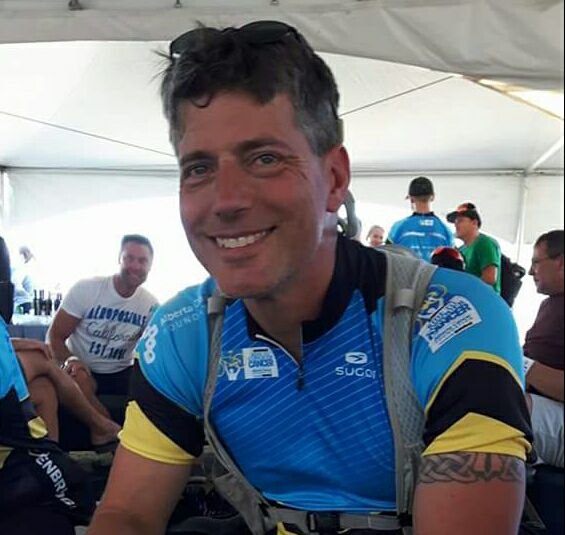
Mathew Hill is an Occupational/Physical Therapy Assistant living in Medicine Hat, Alberta, Canada. Originally from the United States, Mathew came to Canada in 2007 as a professional coffee roaster, a career he had pursued since 2000. Following a lifelong desire to help people, especially those pursuing neurorehabilitation, Mathew left behind his career in coffee in favour of receiving the education for and pursuing a career in rehabilitation where he could directly help people. In November 2021, Mathew married Mhairi Clare Donnelly, whom he met in Scotland while attending the AGM for the Robert Burns World Federation. Mhairi and Mathew stay in touch every day over Messenger and emails and look forward to a world post-COVID where they can begin their lives together.

And, Mathew has never lost his love of coffee!!!
 

Unlike most people in the world, I have two birthdays. My birth records show that I was born in San Antonio, Texas, on a May date in 1970. My second birthday, though, is August 22, 1986, in Anchorage, Alaska.

It was the summer between my sophomore and junior years at Bartlett-Begich High School and I was on top of the world. I was a varsity wrestler and swimmer at school, had made honour roll, was enrolled in Advanced Placement English and I had just gotten my first car. Nothing could go wrong. And, yet, true to a persistent gut feeling I couldn’t shake, something did.

I was at a friend’s birthday party the evening of August 22nd when another friend arrived riding a motorcycle. Eager to ride it, my friend said I could ride it only if I wore his helmet. Though I did not want to wear the helmet, he, thankfully, insisted. It was while riding the motorcycle that I lost control in a sudden acceleration and in swerving to miss a lamppost, struck the rear-end of another friend’s parked van. The force of the impact drove me head-first into the van’s rear section.

Quick to my side, my friends found me unconscious and beginning to convulse. One friend was quick to take control and put her make-up compact between my teeth so I wouldn’t swallow my tongue and made sure I wasn’t moved.

911 was immediately called and I was taken to Humana Hospital where my Father, Dr. Richard Hill, who also happened to be on staff that night, worked as a neuroradiologist. Still unconscious upon arrival, the diagnosis was that I had suffered a severe brain injury. CT scans proved this showing that I had suffered what is termed a “shearing injury” of the right hemisphere of my brain resulting in multiple bleeding points, or hematomas, in the frontal occipital lobe, and the motor cortex. The largest hematoma was a nickel-sized bleed located deep at the base of the brain just above the spinal cord where motor functions are localized before being transmitted down the spinal column. The diagnosis was quick and easy: the left side of my body was paralyzed.

The paralysis, though, was not the immediate concern. While already comatose, the swelling in my brain caused by the multiple hematomas had to be dealt with before the resulting increase in cranial pressure caused by the bleeding and swelling choked off the flow of blood to my brain and killed me. I was given sedatives to deepen the coma I had slipped into and to slow my metabolism, as well as strong cortical steroids to halt my body’s swelling/immune response. An intubation tube was placed down my throat connected to a respirator that delivered a constant flow of oxygen to my lungs. It was a race against time between the swelling in my brain and the administered treatments, with only my continued survival proving that the treatments were winning.

The CT scan had shown the bleeding points both too diffused throughout the brain and too deep to allow for surgical options to relieve the pressure. The initial prognosis was that I would likely die. If the treatments proved successful and I was able to survive and wake from the coma, the consensus was that I would be handicapped, both cognitively and physically, and would require living assistance for the remainder of my days.
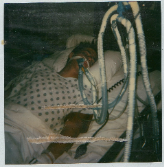
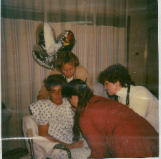
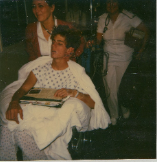
About two weeks later, having begun to wake from the coma a few days before, I gradually became aware of my surroundings and could tell by the smell and look of the room I was in that I was in a hospital, though I had no memory of how I got there. Days passed and as my lucid periods both lengthened and improved, I became aware that friends and family were constantly at my side. In addition to my friends from school, there was my mother, a nurse practitioner living at the time in Ohio, my brother, who lived in California, as well as my father and stepmother, with whom I lived in Anchorage, Alaska. Still very “groggy” and comprehending little, I couldn’t understand their concern, nor, as I had not yet become fully conscious, could I understand that the left side of my body was now completely paralyzed (a condition called hemiplegia), let alone that I even had a left side to my body. As far as I was concerned, the only side of my body that existed was the right side.

In addition to the paralyzed left side of my body, effects from the other hematomas in my brain began showing themselves. A hematoma in my frontal lobe, where emotion and individual identity are located, had changed me on a deeper, emotional and identity level; not only had my life been forever altered, but I couldn’t fathom how to “feel” about it, nor understand the feelings I was having. I felt like I had become a stranger to myself and I was being forced to get to know him in a rushed, nearly incomprehensible way. This identity confusion was compounded by the damage that had been done to my short-term memory. For all intents and purposes, my long-term memory was intact, but my short-term memory and ability to access both old and new memories was impaired. Recalling a memory, whether new or old, was a constant struggle, and often new memories, activities or conversations I just had, simply bled away until a trigger or reminder of the event or conversation brought the memory back to my conscious attention. Or, as in many instances, conversations had to be replayed for me to reinforce the memory of them. The memories were there, it was explained to me, but it was the “filing system” I used to access them that had been damaged and that needed to be retrained. Adding to this was the frustration stemming not being able to recognize faces, a condition called prosopagnosia. More times than I care to recall, friends I knew from school would come up to me and start talking about this or something else and I would have to ask them to stop and please remind me who they were and how I knew them. (This difficulty plagues me still today in that I need to have repeated contact with people to form strong, long-lasting memories of them. If an acquaintance goes away for a few months and then returns, I still need to get to know their face and identity all over again).

Initially, I also lacked what is termed insight. As far as I was concerned, since I couldn’t remember the accident happening (the 6 hours of my life prior to my accident had been completely wiped from my memory), that meant nothing was wrong with me. And because I felt nothing was wrong with me, I persisted in holding to this assertion, in spite of it obviously not being the case. This “denial” or lack of ability to understand the reality to my condition is called Anosognosia and is defined as a condition in which a person with a disability is cognitively unaware of having a disability due to an underlying physical condition.

The key issue lay in that in order for physical or cognitive therapy to take root and be effective, it is necessary for head injury survivors to become fully aware and conscious of their deficits (gain insight) so that they can actively participate in the work and exercises put before them for rehabilitating their cognitive and motor functions. If they are not able to make this mental shift towards insight, the health care professionals face the harder challenge of trying to motivate survivors who don’t feel the need or desire to work to get better.

In my case, thankfully, I was able to gain the insight to my condition from listening to my friends and family explain again and again what had happened to me, aided by seeing pictures my mother had taken of me in my intubated, comatose state. This, plus the fact that I knew I was in the hospital, helped me to make this vital mental shift. It took more than a few weeks, though. I know I argued with them, claiming everything was OK and that I could remember everything. Because of the initial lack of insight, as far as I was concerned, everything was just fine with me. Reality, though, was able to break through where I could see the gravity of my situation. I was finally able to recognize and accept that I was, in fact, paralyzed on the left side of my body and had trouble remembering much of anything moment to moment. The comprehension that I had a lot of work ahead of me, I also came to see, was a gross understatement.

Fortunately, I made daily improvement in both physical and cognitive rehabilitation, even quickly surpassing the initially conservative (dooming) diagnoses that I would never fully wake up. When my family asked the head doctor in charge of my care – a Physical Medicine and Rehabilitation Physician – how I was able to recover so well and so quickly, her answer to them was, “I don’t know and don’t tell him. Just let him do what he’s doing.” Rather than risk me thinking my recovery was somehow “not right” or unexpected, they all kept mum to me and let me continue progressing as far and as long as I could.

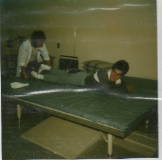
I was discharged a month and a half after waking from my coma and a month later began spending my days in rehabilitation at the Alaska Treatment Centre (ATC), which had a stroke/neuro rehab program. Following a month of intense full-day rehab, I returned to high-school part-time in the afternoons with mornings still spent at ATC where I continued my physical, cognitive and social rehabilitation. While eager to be back at school with the hope that familiar surroundings and friends would somehow help me to return my life back to the way it was before the accident, it was another shocking and disappointing realization that not only did I have trouble remembering fellow classmates I had known before, but I also couldn’t remember from where nor how I actually knew them. Additionally, school and education were no longer as easy as it had once had been. I was forced to drop out of Advanced Placement English, opting instead for a self-directed Creative Writing class, and I was forced to audit Algebra II and repeat it the following semester because understanding the methods for solving last night’s homework were completely lost to me the next day. As well, my slippery memory was always an issue in recalling subject matters and discussion topics, to say nothing of what had been read or studied in preparation for a class. Hours of repeatedly reading and re-reading the same assignments, preparing and reviewing flashcards, as well as crafting mnemonic memory cues became usual and necessary practices.

My occupational therapist accompanied me the first few weeks back at school not only to assist me in negotiating stairs and walking to and from my classes, but also to evaluate my ability to function as a student in a regular public high school setting. While I insisted, and fervently hoped, that I could return to the life of a “normal” teenager in high school, my therapists and doctors rightly insisted on assessing my performance to make sure this transition was an actual possibility.
As humbling it is, when I look back at that initial time back at school, I know that if the decision had been made that I had needed to switch to a different school geared more towards students with special needs, it would have been the right decision. Thankfully, though, and I can still feel this relief, I was able to successfully make the transition back to life as a “normal” high school student. Though “normal” would prove a term that not only no longer applied to me, but also one that seemed denied to me because I had changed in such fundamental and permanent ways. I was no longer the person my friends remembered me being and the challenges brought to me by the changes in me had little in common with the challenges they faced in their lives. Also, the physical limitations placed on me by the paralysis and the labored incremental improvements I worked to achieve meant my successes paled in comparison to their youthful dynamic physical development. I was no longer able to compete in wrestling and when I did return to swim on the school swim team, my previous speed and ability in the water had been taken away from me such that I was transitioned to swim in the slower lanes and compete in non-varsity races.

And now I walked with a notable limp and slight listing to my left side. I swung my left arm when I walked, but only when I remembered to, and even then it didn’t look the same as the arm swing on my right side. I had no physical bi-lateral symmetry; the left side was trying to keep up with the right side and the right side was working double-time to pick up the slack caused by the left side. This was most apparent in the swimming pool where I now had a markedly dominant right-sided stroke causing me to almost zig- zag in the swim lane.
But these were only the physical limitations. The changes in my personality and in how I understood life around me also had their challenges. I didn’t “get” things the way I used to be able to, or the way other people did. Many things, including myself, were a mystery to me and I often felt not only confused, but also lost in the maze of life that others appeared at ease in negotiating, whereas I limped along and found my way via trial and error. I had changed on a fundamental level and though my friends still remained friends, I found myself no longer included as an equal in their circle and was in a position where I needed to find a new circle of friends.

Life had dealt me a difficult blow and I had just barely begun the road to recovery, yet I was surviving. And just like in the hospital, I proved a resilient and determined person and was able to graduate with my original class and was accepted to a 4-year college with an academic scholarship.

From a Bachelors of Arts in Philosophy, I went on to attend paralegal school, receiving my diploma and a Certificate of Achievement. I later earned an MBA from John F. Kennedy University in Pleasant Hill, CA, which I parlayed into a profession in the coffee industry, working as a coffee roaster and production manager.

In 2012, I moved to Medicine Hat, Alberta, and decided to go back to school to get a 2-year degree for occupational/physical therapy assistant. It had been a long desire of mine to work with TBI survivors and help them in their rehabilitation.

In addition to working in a local clinic, where I have treated a number of TBI survivors, I speak to high school students and present seminars on the realities of TBIs and the long road of neurorehabilitation.

When I present on TBI rehabilitation today, I am often asked how long it took me to recover from the TBI. My answer is always, “What day is it?”. Whatever date they give, I tell them, “I am still recovering”.

I am fortunate to say that I have led an active and interesting life despite the TBI. This having been said, I can say with certainty that it is the unseen, what I call “insidious” effects of the TBI that persist and that I still work on. These are the emotional, behavioural, social effects that affect my ability to regulate my emotions, my stimulus response and my decision-making.

I am 34+ years since the injury I received. I am no less involved with my rehab as I was the day I was first wheeled into the PT department at Humana Hospital in 1986. And, like those first days in rehab, every day begins with the decision to work on what I can, try to apply what I learn, practice insight and maintain my self-awareness.

In my world, this is what it means to be a TBI survivor.

MH
Believe 100% in Your Ability to Recover

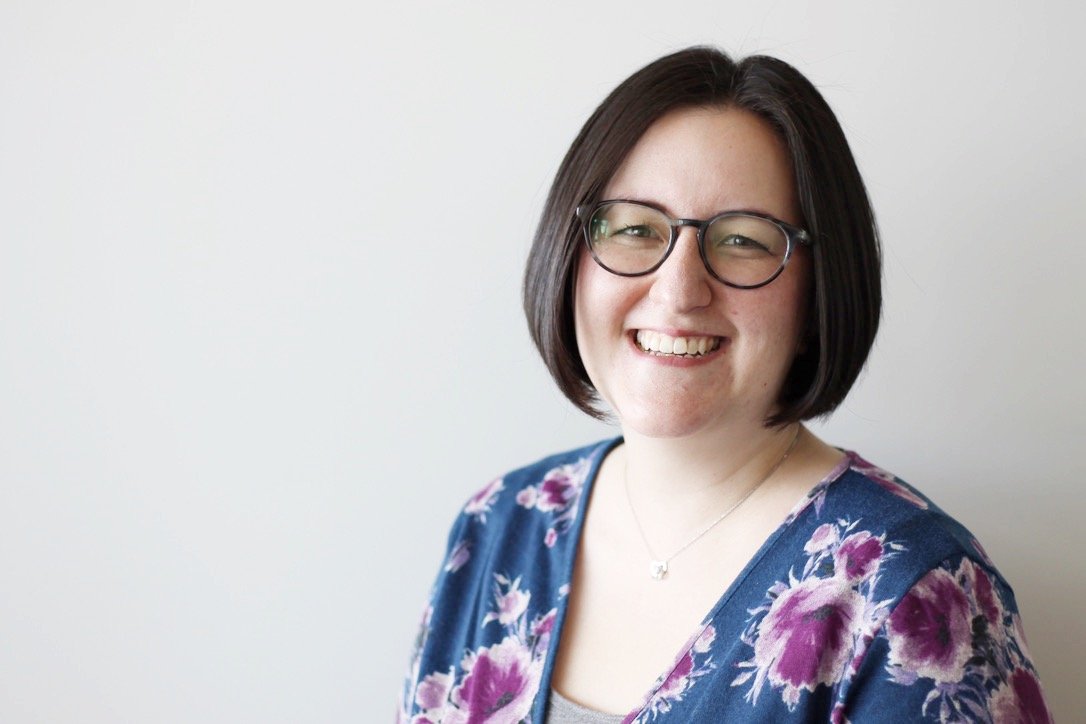
Emily Fraser (she/her) is the Community Engagement Coordinator at Mount Royal University in Calgary, Alberta, Canada. Prior to her brain injury, she was an educator and musician. Emily is passionate about creating inclusive spaces where everyone feels a sense of belonging. Outside of the workplace, she is the host of “The Calm Podcast with Emily Fraser” and runs @post_concussion_support on Instagram.

THE EARLY DAYS

In October of 2018 I was rear-ended as I was leaving work. At first I thought I was fine and even drove myself home, but the symptoms quickly started piling up. Despite many attempts, returning to work as a middle school band teacher was impossible. I spent months unable to tolerate light or noise or physical activity. The headaches were unbearable, I could barely move my neck, and my eyes felt like they were constantly burning. I was having panic attacks almost daily and my life consisted of doing pain relief meditations and attending several medical appointments per week. I remember being so dizzy that turning over in bed made my head spin. I had always been such a high achiever, leading various student clubs, volunteering outside of work, directing musical productions and performing oboe in symphonies. In the blink of an eye, my entire life had changed.

Prior to my injury, I had always believed that my self-worth was related to how busy or productive I was. The first several months of my recovery were so challenging because it was the first time I had been forced to slow down. I became depressed and felt I had no purpose or reason to live. My nervous system was stuck in fight or flight, so I was always crying or screaming. I knew my behaviour was pushing my family and friends away. At that point, I found a couple of post concussion syndrome support groups on Facebook. Finding a group of people who understood what I was going through and being a part of the virtual concussion community changed the course of my healing journey.

FINDING COMMUNITY

I eventually created @post_concussion_support on Instagram to reflect on my experience, connect with others, and share resources. Exposing myself to uplifting individuals on social media really helped me adopt a growth mindset. I started learning how to set boundaries, how to advocate for myself, and how to clearly communicate my needs with loved ones. The quality of information online was incredible, and I was able to trust my intuition on what I needed and find some amazing health practitioners. In the fall, I started my gradual return to work teaching one “Career and Life Management” course. I was only working three hours a week, and even that was exhausting and led to major setbacks. I would meditate in the car before entering the building, had a pillow under my desk to rest often, and would wear sunglasses and earplugs while teaching with the lights off. Looking back, I should not have been back at work yet, but at that time I still associated my career with my identity and refused to “give up.” I had to be vulnerable with my students, and they were so empathetic. They took breaks to silently write in their journals when I was overwhelmed, and joined me in deep breathing exercises when my symptoms were flaring. I feel grateful to have formed that bond with them.

COVID-19

Then the global pandemic happened. Although the restrictions negatively impacted so many people, I felt like the world was finally living like I had been for months. No more FOMO (Fear Of Missing Out)! Teaching remotely was unexpectedly ideal for me. Yes, I missed the connection with students, but I had so much more energy not having to drive to work and be in an overstimulating school environment. Wearing sweatpants to work was an added bonus. During this time, I started my podcast and offered temporary virtual support groups for others in the concussion community who could no longer access in-person treatment. It was so fulfilling, but I was falling back into old patterns of being busy to prove my worth. I had to take a step back and make myself a priority. The lesson of needing to put my oxygen mask on before helping others is one that I seem to have to re-learn constantly.

By the fall of 2020, I had worked my way up to 12 hours of teaching per week, but it was becoming obvious that I would need to shift careers if I was ever going to get back to full time. Despite making tremendous improvements, directing junior high band is one of the worst work environments for someone with persistent concussion symptoms. I also still wasn’t able to cover my supervision, homeroom, or co-curricular requirements. I signed-up for the online program “Concussion Compass” and completed all of the mini-courses. I started seeing some new doctors, committed to an exercise routine, and increased my focus on planning/pacing. I also started visualizing my body healing every night as I was falling asleep. Instead of acting like my body was against me, I worked with it, offered myself compassion, and started to truly believe in my ability to recover. These changes led to huge improvements in the early months of 2021. I was able to resume my Masters of Education online, graduate from vision therapy, and find a new job at a university that met all of my requirements for accommodations.

CHANGED FOR THE BETTER

As I write this, many of my symptoms have significantly decreased or disappeared. Many of my health practitioners ask me how close I am to my pre-injury self. It is so hard to answer that question. Emotionally, mentally, and spiritually, I am in a better place than I ever have been. I have learned so many tools, discovered how resilient I am, and found such a strong support network. I am more grounded and connected to myself than ever before. Physically, I still feel limited at times, but I have learned how to plan and structure my day so that I can avoid or manage symptoms.

Every morning I am grateful that taking a shower or putting on clothes doesn’t wipe me out for the entire day. When I was in the darkest times, I couldn’t find anyone who had recovered from Post Concussion Syndrome. I saw over 25 medical practitioners while searching for answers. I am sharing my story because I want everyone to know that healing is possible. I know how isolating this experience can be. The invisibility of our injuries doesn’t make it easy for others to understand and support us. No matter what stage you are in, ups and downs are part of the process. Recovery isn’t linear. If you start to believe 100% in your ability to heal, you will get better.

Don’t give up. You are not alone. Please reach out anytime for support. I would love to share more about what treatments helped me and connect with you. Send me a text or voice message @post_concussion_support on Instagram.

How Honesty and Openness Create Hope

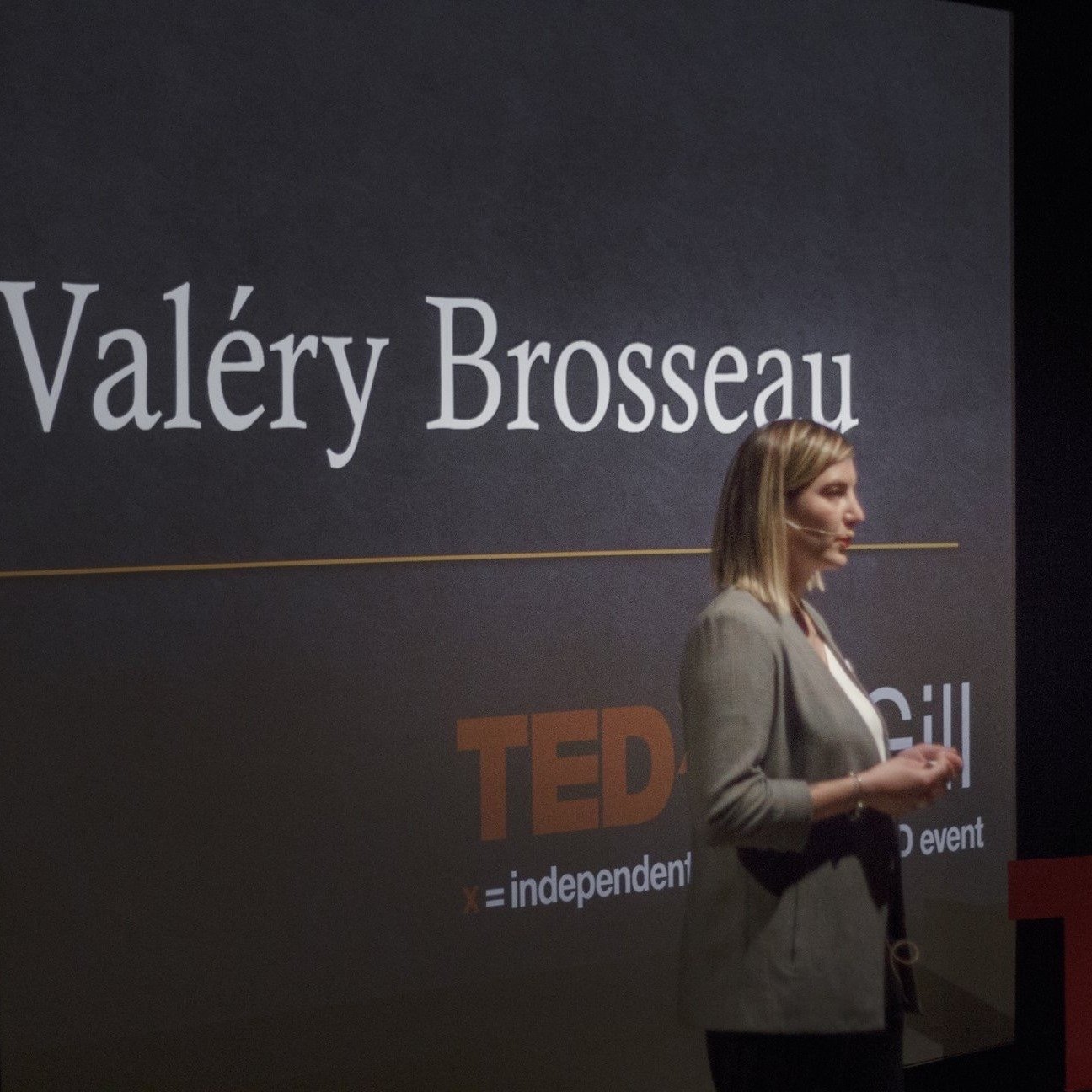
Valéry Brosseau is a passionate speaker, writer and mental health advocate whose lived experience with mental illness has taken her on a journey to combat stigma through mental health awareness. She began volunteering in mental health in 2013, winning awards for her volunteer work, and then pursued further education and training in this field. Valéry now delivers talks and workshops, raising awareness and equipping people with the tools and language to support others and manage their own mental health. In 2019, she delivered a TEDx talk on the stigma surrounding suicide.

Warning: This story contains mentions of suicide and may be triggering to some readers.

In 2014, I tried to kill myself. I overdosed and had a seizure on the tile floor, which resulted in a concussion. A few weeks later, I attempted again. The doctors told me that my concussion was most likely a factor in this.

I started my process of recovery managing the concussion as well as setting myself up for the mental healthcare I needed. Though I did not experience long-lasting symptoms following this concussion, I know how closely related concussions and mental health are.

When I woke up in the hospital after that second attempt, I started thinking maybe there was a reason neither time worked. Maybe there was a reason I was sticking around. I never could have imagined that 5 years later I would become someone who educates people on mental illness and speaks in front of crowds. I could never have imagined that my story would have power, that it would effect positive change and inspire people. However, what I’ve overcome is what makes what I have to say all the more compelling.

I spent years believing that if I tried harder I could be better – “normal”. I saw most people living without crumbling at every onset of emotion and decided that I was doing something wrong. It took me years to realize there was a reason things were more difficult for me, but even then I continued to believe that failing to experience things normally was a flaw in character as opposed to a medical condition. I was taught by the stigma placed on mental illness and the attitude society often takes toward mental health issues that I should be blamed for it.

I now know I have struggled with mental illness my whole life. Having reached the other end of the tunnel alive, diagnosed, and supported I can understand what is different about me, how it affects my life and how I can manage it. In the case of so many people like me, mental illness is a chronic problem that will be managed for years if not the rest of their lives. The key to managing these issues is speaking openly, candidly and honestly about mental illness. Things are no different with head injuries. Concussions and post-concussion syndrome can stay with us for extended periods of time, if not the rest of our lives. Talking about it without judgment or stigma is the best way to receive the help we deserve. This is what I hope to promote and support.

At a time in my recovery when I was feeling more stable, I decided to seek a volunteer position at a crisis helpline. I wanted to help provide a service I wish I knew existed when I was struggling. I was living in Oshawa at the time and found Distress Centre Durham’s website. I have now been involved with DCD for over 7 years, volunteering as a helpline responder, taking on leadership roles and helping train new volunteers. Through this work, I became more and more involved in mental health, taking every training that was made available to me and furthering my skills and knowledge.

In 2016, Distress Centre Durham named me Volunteer of the Year. In 2017, I was awarded a province-wide volunteer award by Distress and Crisis Ontario called “The Spirit of Volunteerism Award” for my outstanding dedication to the distress centre and my volunteer work there.

During my time as a volunteer, I started understanding the importance of speaking up and being honest. I began sharing my story with fellow volunteers and to the volunteers I was training. I found that they were inspired and that they gained a better understanding of the people they were connecting with on the helpline. This encouraged me to keep sharing and keep trying to promote understanding and compassion. In 2019, I delivered a TEDx talk on the stigma surrounding suicide, encouraging openness and honesty. This non-judgment and willingness to share can help us take strides towards a better understanding and more support for head injuries as well. When we experience a concussion, it is important to be able to speak up about our experience and our needs. This can only be done when we are met with compassion.

The mental health field has become my passion. This passion prompted me to start a business as a speaker and workshop facilitator. I aim to use the platform I am creating to connect with people on a genuine level and encourage them to talk about mental health. Talking about it with kindness and empathy is the only way to create a safe space to reach out and seek help.

You might say I have learned resilience and found my passion the hard way, however my struggles have helped me understand on a deeper level the power my story can have. I don’t regret the pain I have been through. I have seen how hard I can fight this thing and all I know is I’m going to keep trying. Whether you are faced with the long terms effects of a brain injury and the mental health concerns that accompany it, or you have an official diagnosis, don’t be ashamed of what you’ve been through – be proud of how far you have come.

Concussed in the Blink of an Eye

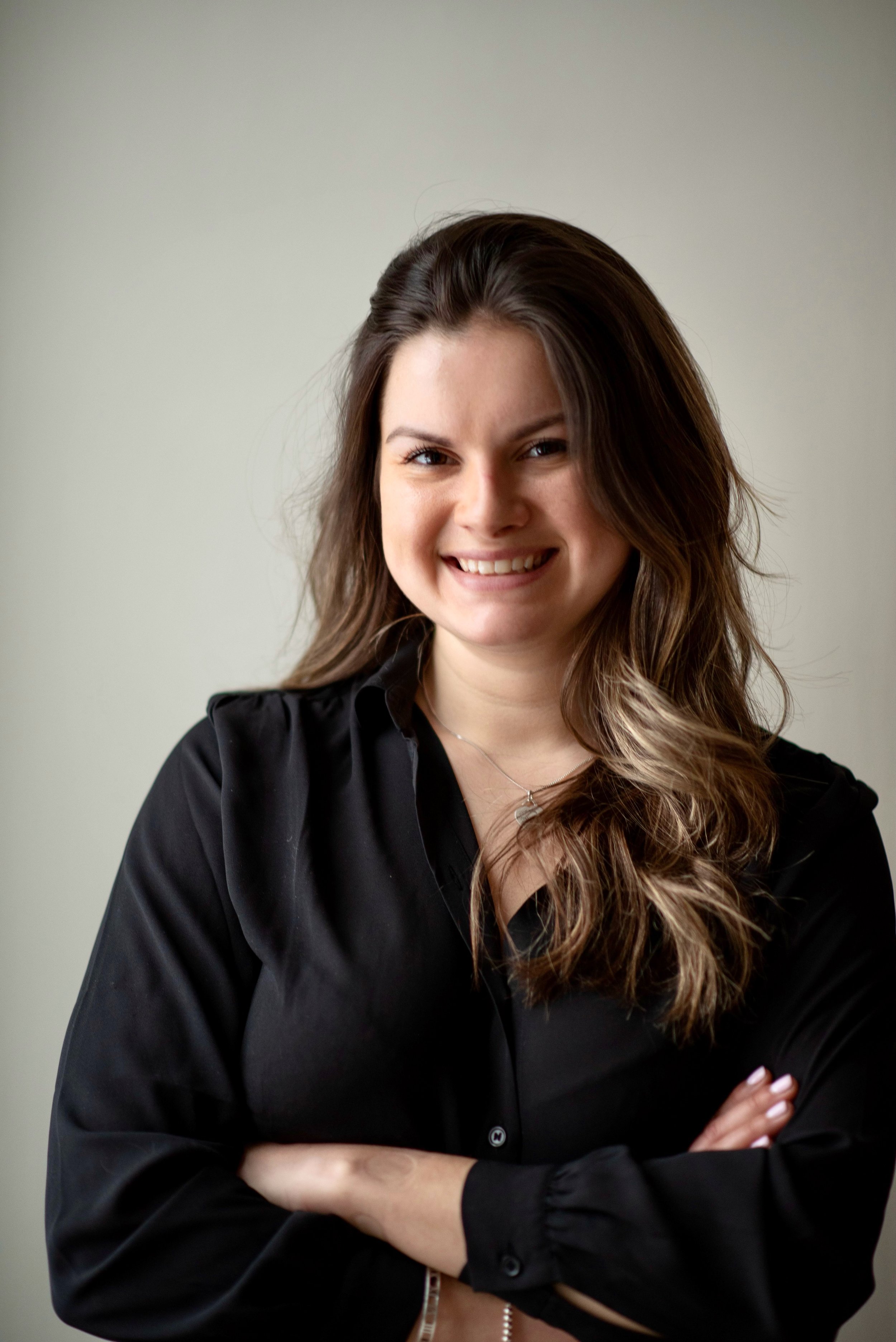
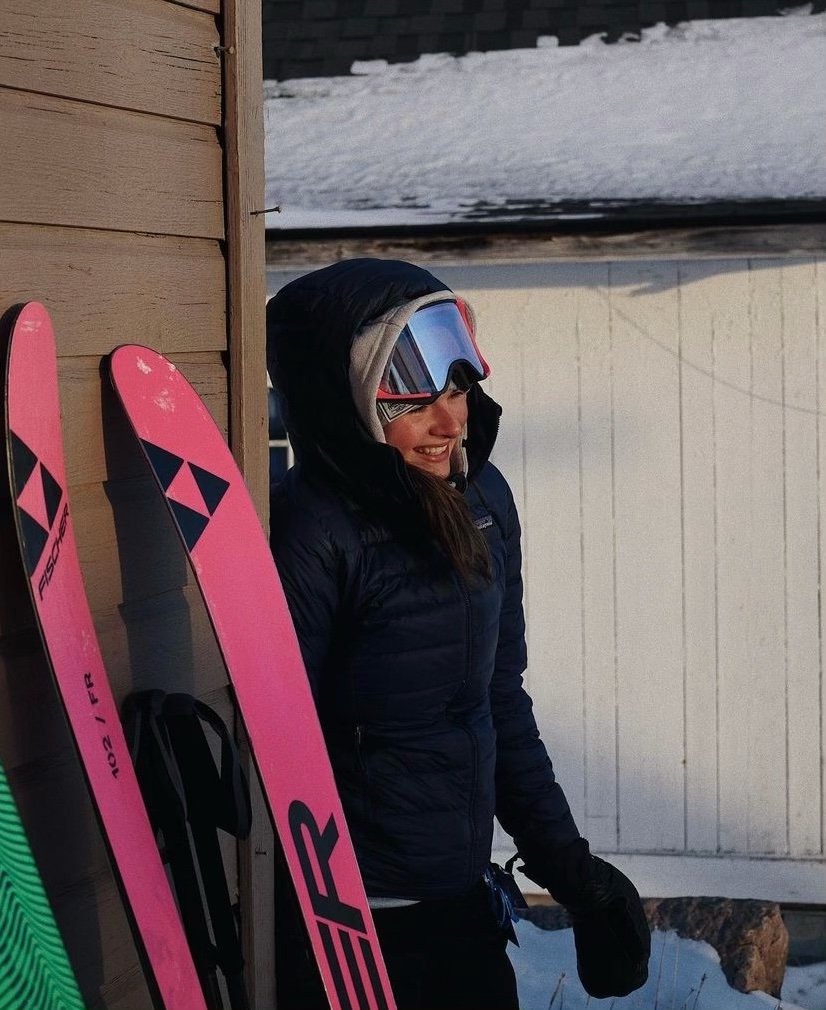
My name is Alexa Pepper and I am currently Communications Director at Ski Quebec Alpin, Quebec’s Alpine Ski Federation. At 24 years old, I am fortunate to be able to marry a passion for sports, and more specifically my experience as a skier and coach, with a communications background and a particular focus on social media. I am responsible for creating marketing tools for the federation, its partners, and participants alike.

How did you receive your brain injury?

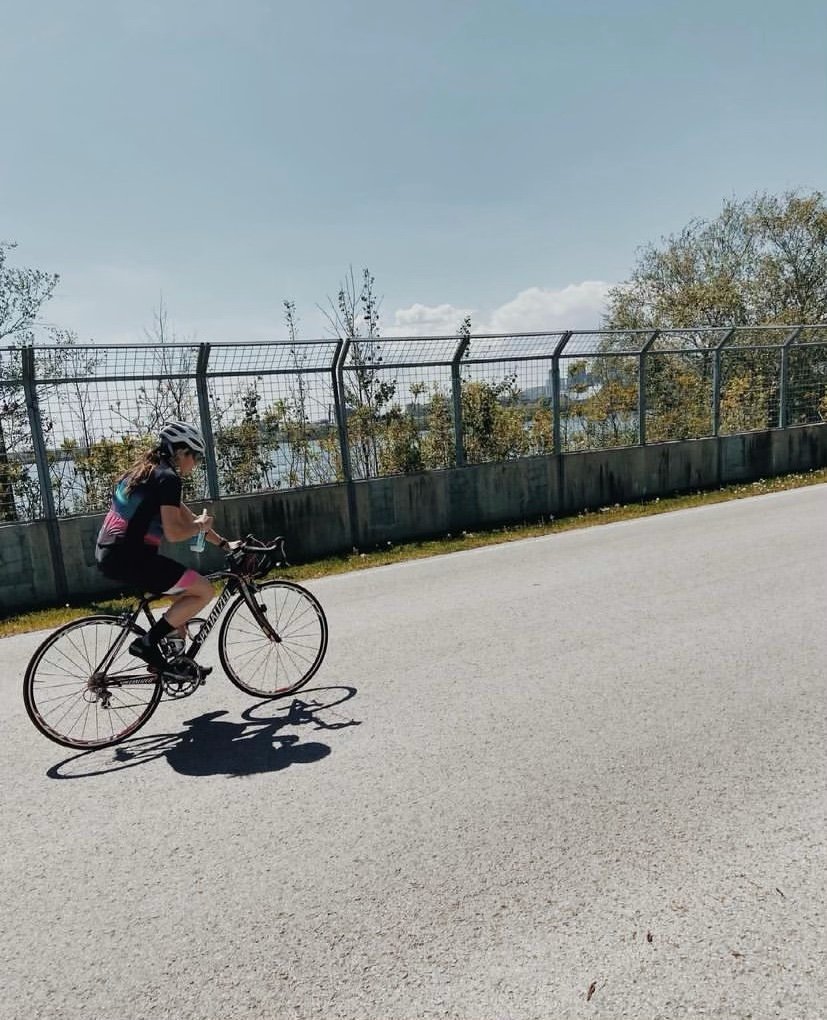
I received my brain injury while road biking. I completely blacked out so I do not remember the details, which was the scariest part for me. I must have hit a pothole and flew over my handle bars, landing on my upper right side. My head and collar bone area received the entire impact. I was VERY fortunate to be riding with the Quebec Ski Team who handled the situation immaculately. An ambulance was called and I was brought to the hospital where they diagnosed my concussion along with a badly fractured collar bone which required surgery. I was operated on the next day and began the recovery process. Although a helmet doesn’t prevent a concussion, the doctors were clear that my helmet saved my life.

What symptoms did you endure?

My concussion symptoms were severe. I suffered from short term memory loss, confusion, bad nausea and migraines to name a few. In addition, I was sensitive to light and noise for 10 days or so. I managed my symptoms by following my protocol. What helped me in a sense, was my clavicle injury which forced me to stay in bed doing absolutely nothing. I stayed away from all of my triggers for 10 days: no work, no screens, no exposure to light or noise. I prioritized rest and communicated my needs to those who surrounded me. I also made sure to eat healthy and stay very hydrated because of all the medication I was on. Mentally, what helped me was short visits from friends and loved ones once I felt strong enough to receive them. I am very thankful to all of those who reached out!

Did you notice any struggles/setbacks during your recovery?

I have been struggling with recovery as far as not being able to practice sports and be active. A set back I had was after watching a movie two weeks after the accident. A severe migraine followed and I was clearly not ready for that much screen time.

Any inspiration that helped you push through your recovery?

The inspiration that helped me push through recovery was knowing that I would eventually feel better. I look up to athletes like my friend Valerie Grenier who went through very painful injuries and came back even stronger.

What motivation would you tell someone if they received a concussion?

I would tell anyone that receives a concussion to listen to their doctors and follow their protocol. This is easier said than done, however doing this is what helped me recover. I am very thankful for the team of people who are following me and helping me recover. As someone who works in the sports industry I cannot stress this enough. Recovering from a concussion takes time and you cannot be too hard on yourself.

Conquering Concussions: From Struggling to Studying

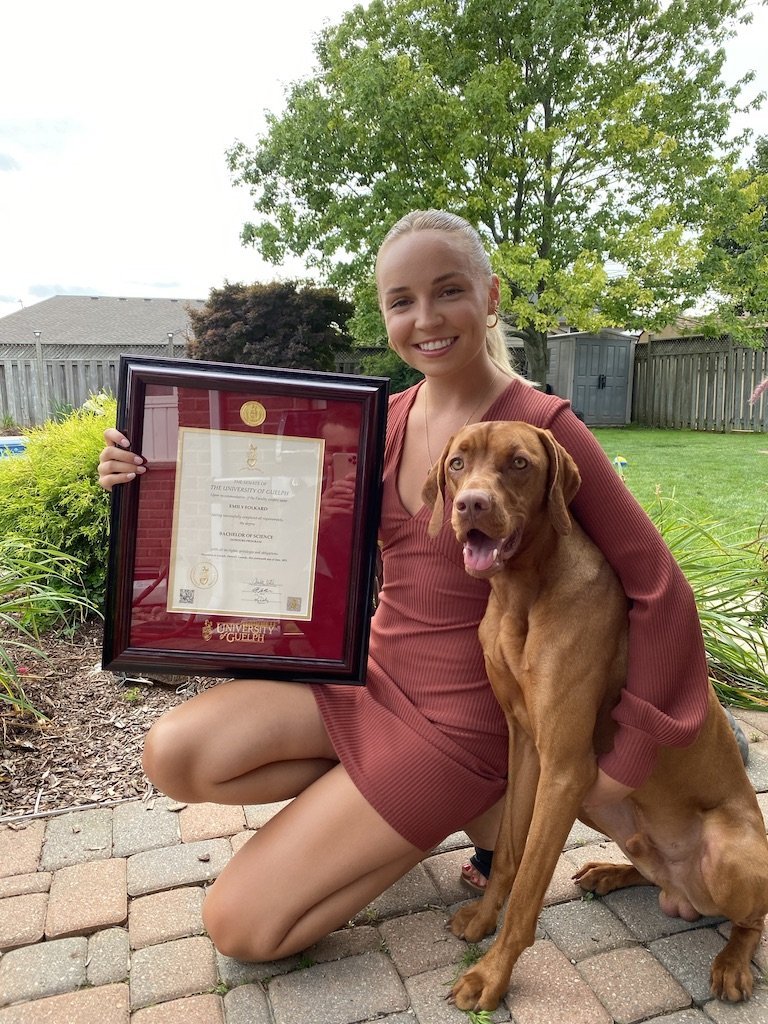
Meet Emily, a 2nd year Master’s student and head of the new CLF Canada chapter at the University of Guelph. In high school, Emily suffered two concussions that ended her time in sport. Her experience with concussions and post concussion syndrome ultimately led to a decision to pursue an education in Neuroscience and a future career in brain injury and mental health research.

Eight years ago I unknowingly suffered my first concussion in a hockey practice. At the time, my coaches had not discussed the importance of concussion symptoms and what to do if you were experiencing them. As a result, I continued to practice and play games despite the symptoms I was experiencing. If I had understood the significance of my symptoms, I would have stopped participating in practices and games and ultimately prevented the second concussion I experienced in a game only 2 weeks later. After this second concussion, I experienced overwhelming pain in my neck and head, light and noise sensitivity, extreme nausea and dizziness, and a feeling of grogginess that made simple tasks feel next to impossible. As a result, I was finally directed to seek treatment from a doctor who diagnosed my concussions. I ended up missing 2 months of my grade 10 year and was advised by my doctors to give up all contact sports.

The next few months took a significant toll on my physical, mental, and emotional well-being. Firstly, I was not able to attend nearly 2 months of school in my grade 10 year. During this time, I remember feeling extremely isolated from my friends and teammates, and feeling sad about the opportunities I was missing out on. I spent the majority of each day laying in bed in the dark, with occasional outings to doctor and physiotherapy appointments. A lot of my friends didn’t understand what I was going through, and I found it difficult to describe the feelings of isolation and emptiness I was experiencing.

Discontinuing sport also had a significant negative impact on my well-being. A lot of my identity was rooted in the sports I played, a lot of my time was taken up by practices and games, and I maintained a lot of my friendships through these commitments. I found myself questioning who I was and what I was passionate about without sports, which is something I still struggle with to this day.

I received treatment for my concussions for multiple years before receiving a diagnosis of post-concussion syndrome (PCS). Some of the symptoms I experienced as a result of PCS are fatigue, irritability, anxiety, nausea, trouble concentrating, and blurred vision. Over the years since my diagnosis, I have received ongoing treatment for my anxiety and irritability, and been prescribed glasses to help with my vision. PCS is something I continue to manage everyday, and I will forever be grateful for the love and support I have and continue to receive from doctors, therapists, friends, and family.

My experience with concussions and PCS over the years allowed me to develop an interest in the brain and how it functions after injury. This interest pushed me to pursue and complete an undergraduate degree in Neuroscience at the University of Guelph, where I am now working towards a Master’s degree in Clinical Studies with a specialization in Neuroscience. Throughout my degrees, I have developed a deeper interest in the impact of concussions and other traumatic brain injuries on mental health, and hope to find a career that allows me to combine the fields of mental health and brain injury.

In search of careers in the mental health and brain injury fields, I came across CLF Canada. I felt immediately drawn and connected to their story and wanted to get involved. After discussion with some wonderful CLF Canada team members, I have decided to start a Team Up Chapter here at the University of Guelph. With CLF Canada, I hope to use my knowledge and personal experience with TBI to enhance the quality and accessibility of resources available to young athletes regarding concussion prevention and post-concussion syndrome. Becoming involved with CLF Canada will allow me to be involved in sport in a way that is safe for me, all while teaching others how to remain safe in their sport so they can continue to enjoy doing what they love.

To Play or Not to Play, Shouldn’t Even Have Been a Question!

Melanie lives with her husband and young daughter in a small town in Canada. Her family has opened their home as a billet family for Junior hockey players multiple times. The following is a story involving one of her hockey player billets.

The day I became a mother, something shifted inside me. I became more in tune with others’ feelings and more aware of dangerous situations before they happened. Not just for my daughter, but for everyone around me. The Mamma bear reference is a real thing, you don’t truly experience until that magical day arrives.

Recently, the scariest night of my life happened, in my own home. I wasn’t experiencing fear for myself, but fear for my daughter and fear for the safety of a Junior A hockey player left in my care.

At around 4am on a Tuesday morning, I was abruptly awoken by loud voices outside my bedroom door. I opened my bedroom door and it was a team of OPP officers who had been dispatched to my residence for reports of gunshots and a murder having taken place. My husband and my murder, to be exact. Reported by our hallucinating billeted hockey player. After stepping into the hallway I could clearly see about 8 heavily armed Police officers in my house, and multiple squad cars parked outside.

Now, this is a description of a scene out of a TV series or movie. Not something a family living in a small community should ever have to experience. How we got to this moment is where the real story is, and what happened after this experience. Let me start at the beginning.

This wasn’t our first time taking in and being a billet family for hockey players who played for our local Junior A team. When our player arrived, he had already experienced a negative situation with his previous billet family. On day 2 of having him in my home, we noticed little things with his behaviour that were “different”. He would be very forgetful and often spoke to himself. He informed us he had suffered a concussion a year before and he had been experiencing a few minor symptoms (in his opinion, ones that weren’t of concern at all). It was then we first raised concern and questions with the team about his concussion and ability to play safely.

A few days later after practice one night our hockey player had an emotional breakdown. We discussed going home with him, and he was on the fence about it. He carried on with the team even though he was being bullied by other players and unhappy.

A few weeks later, it came to our attention that a work vehicle had been taken from our property without authorization by our hockey player. This was a serious lack of judgment on his part. The team was aware of this happening and we called into question his mental state. Nothing was done to check into his health. After that incident there were other noticeable behaviours which led us to suspect he was experiencing further post-concussion symptoms. He had eye sensitivity to light, headaches, insomnia, almost immediate forgetfulness after speaking about something, and a glazed look when we spoke to him. We raised further concerns with the team, suggested he go home to be checked out but no further action was made by them.

The day before the big incident our hockey player was taken to the hospital first thing in the morning complaining of headaches, dizziness, trouble breathing, and numbness in his legs. He wasn’t there more than a few hours, and returned back to us with the diagnosis of having a flu virus. If he had been sent for further testing, maybe the incident wouldn’t have happened at all.

After the incident, we asked for the officers to take him for an evaluation and they said they spoke to him and he was ok. Despite the fact he had just hallucinated our murders and reported them to the police. We explained what we had been experiencing and they still left him in our care. The next day we asked for further support from the hockey team leadership. We finally spoke with his parents (after repeated requests for contact information), and they were also in denial. They were unaware of anything we had been experiencing. Instead of being sent home for proper evaluation, the team convinced him he was ok to continue playing and they were looking for a new billet family to take him in. I am also sad to say, they denied knowing anything about him having a previous concussion. They were putting his health below the needs of the team. Our hockey player was making excuses for the event taking place and remained in denial about the seriousness of his current condition. With the team constantly calling and messaging him he was being heavily influenced to stay and play.

That night, I slept in my daughter’s room with her and we barricaded the door just in case. Our hockey player remained in our care for 80 hours until his parents finally arrived to bring him home. I had mixed feelings about having him stay with us. We decided we weren’t having him leave our home unless he was safe back with his parents. It was a scary time for me personally. I wasn’t sleeping properly and experiencing anxiety about it. My daughter had nightmares almost every night for 2 weeks (and was insistent on sleeping in our bed).

As a parent it is often difficult to think of our children being in an unhealthy state or unsafe situation. Especially being put in the situation by someone of authority like the hockey leadership team. There needs to be proper health and safety regulations put in place for minor sports and the management of concussions. Education is the first step, to educating those involved in sports on what symptoms to look out for and how to manage post-concussion experiences.

That mamma bear instinct is far reaching. If my story can help touch the life of even one athlete, then I can feel relief. My goal is to bring awareness to post concussion symptoms and behaviours and educate on what parents, friends, coaches, and almost strangers should be on alert for.

Evolution of Concussion Management with Dr. Angela Carol

You’d be hard-pressed to find an organ more complex than the brain – a wrinkly lump of electrified tissue responsible for our every thought, action, and emotion. Rarely do we pay it any attention, content to let it labour away on our behalf… that is, until something goes wrong. Perhaps you slipped on an icy driveway, or maybe you took a tumble on the slopes. Regardless of how it happened, the result is likely the same: a Traumatic Brain Injury (TBI). Suddenly, your hard-working brain is struggling to keep up, and you’re left to deal with the consequences.

A TBI occurs when there is a forceful bump, blow, or jolt to the head or body, or when an object pierces the skull and enters the brain. The most common form of TBI is a mild TBI (mTBI), also known as “concussion”. The brain “floats” within the skull in a protective fluid, anchored at its base to your spinal cord. When the head moves rapidly, the brain can slam into your skull, which can cause a concussion. Some symptoms of concussion can include headache, irritability, and fatigue [1].

The McMaster Students for the Concussion Legacy Foundation spoke with Dr. Angela Carol, a physician with the Hamilton Urban Core Community Health Centre in Hamilton, Ontario. She shared with us her insights regarding the evolution of concussion management, as well as the challenges associated with treating concussions in people experiencing homelessness.

Dr. Carol advised us that the way medical professionals treat concussions has changed as they’ve learned more about them. Ten years ago, it wasn’t even mandatory for youth to wear helmets when figure skating. We also used to wake kids up who hit their head because we thought they were in danger of dying while asleep. We now know that this practice isn’t necessary; in fact, it’s probably detrimental, given that we’re disrupting the child’s sleep during a key period in recovery.

We also used to adopt a strict rest protocol to treat concussions. We would tell patients to sit in a dark room until their symptoms improved. It was believed that sheltering patients from overly stimulating environments would prevent the aggravation of their symptoms, allowing their brains to recover. Doing so would also limit their risk of incurring secondary concussions, the symptoms of which are often worse than the initial injury.

However, extensive research has shown that prolonged periods of strict rest can delay the recovery process [2]. Instead, clinicians now advise patients to adopt a stepwise approach, gradually allowing them to return to their usual activities so long as they do not aggravate their symptoms [3]. In adults, research has suggested that slow, controlled physical activity like walking or riding a stationary bike below the symptom threshold may aid recovery [4]. Today, we generally believe that after 24-48 hours, incorporating exercise can help someone recover faster [4].

Dr. Carol also informed us that concussions have long been without any objective diagnostic tests. Instead, we relied on patient symptoms alone to guide our management. In the last few years, we have implemented more objective testing, such as the Buffalo Concussion Treadmill Test (BCTT) in adults, a graded exercise protocol [5]. When the athlete completes the BCTT without exacerbating their symptoms, they can begin a return to sport. Return to sport would include introducing sport-specific activities over an extended period before the athlete can compete again. Besides the BCTT, Dr. Carol informed us that physicians have begun using neuroimaging to guide management. For example, if a child has positive neuroimaging findings, they should take at least three months off from contact sports [6].

One of the most powerful tools to combat the burden associated with TBIs is also one of the simplest – awareness and education. Knowing what TBIs are, who they affect, and how they present are simple ways to ensure that they are adequately addressed. Data demonstrates an increasing prevalence of TBIs in Canada, warranting dedicated efforts to quell what some have referred to as a “silent epidemic” [7].

McMaster Students for the Concussion Legacy Foundation (MSCLF) hopes to be a part of the solution. Leveraging our medical training and community connections, we hope to increase TBI awareness amongst the McMaster student community and the Hamilton area. If you would like to get in touch with us, please reach out via email at [email protected] – we would love to hear from you!

  1. Tator, C.H., Concussions and their consequences: current diagnosis, management and prevention. CMAJ, 2013. 185(11): p. 975-9.
  2. Silverberg, N.D. and T. Otamendi, Advice to Rest for More Than 2 Days After Mild Traumatic Brain Injury Is Associated With Delayed Return to Productivity: A Case-Control Study. Front Neurol, 2019. 10: p. 362.
  3. Harmon, K.G., et al., American Medical Society for Sports Medicine position statement: concussion in sport. Clin J Sport Med, 2013. 23(1): p. 1-18.
  4. Haider, M.N., et al., Exercise for Sport-Related Concussion and Persistent Postconcussive Symptoms. Sports Health, 2021. 13(2): p. 154-160.
  5. Haider, M.N., et al., The Predictive Capacity of the Buffalo Concussion Treadmill Test After Sport-Related Concussion in Adolescents. Front Neurol, 2019. 10: p. 395.
  6. Recommendations for Return to Contact Sport After Multiple Concussions. 2018 [cited 2023 March 9]; Available from: https://canchild.ca/system/tenon/assets/attachments/000/002/574/original/Return_to_Activity_Guideline_WEB_1_.pdf.
  7. Buck, P.W., Mild traumatic brain injury: a silent epidemic in our practices. Health Soc Work, 2011. 36(4): p. 299-302.

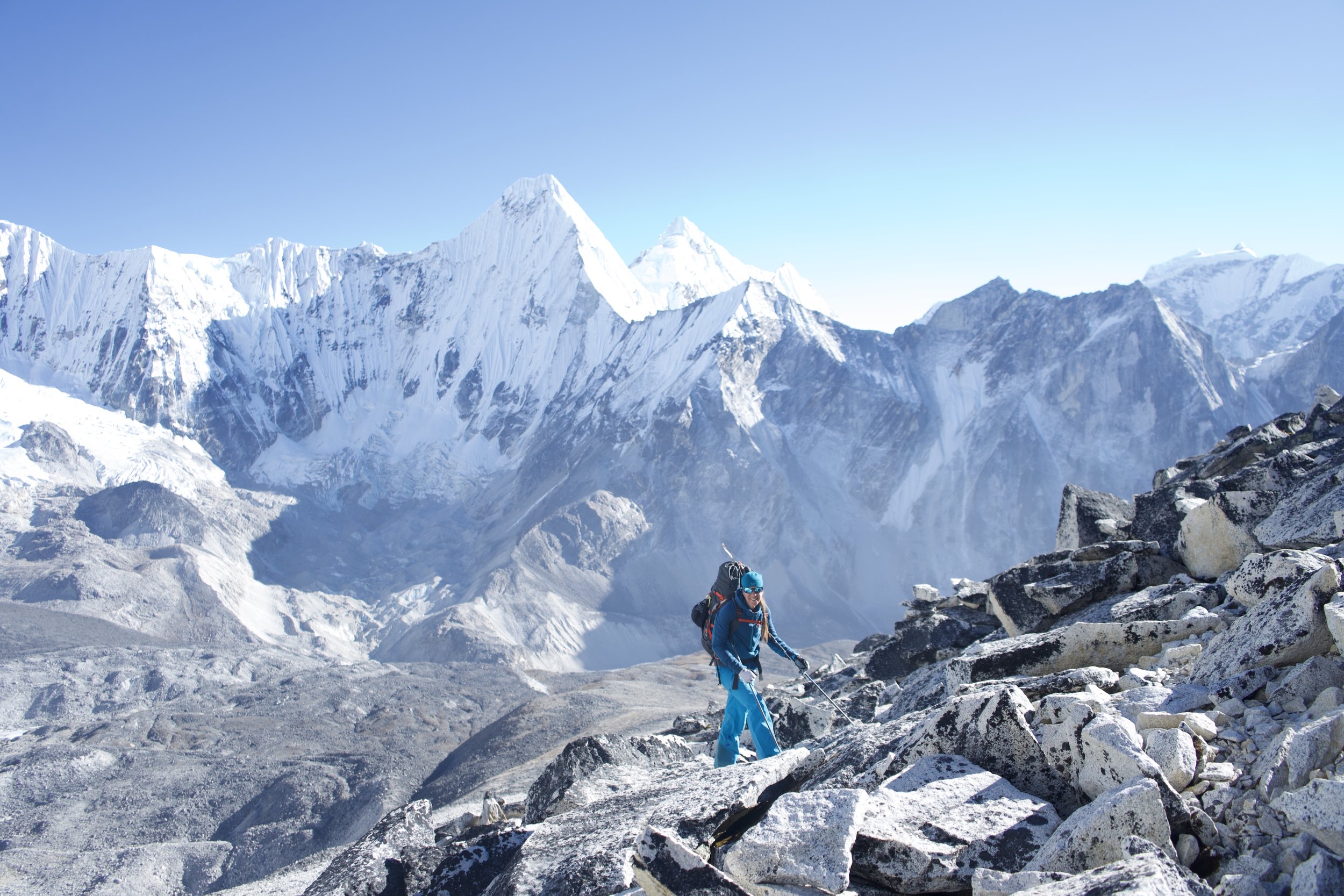
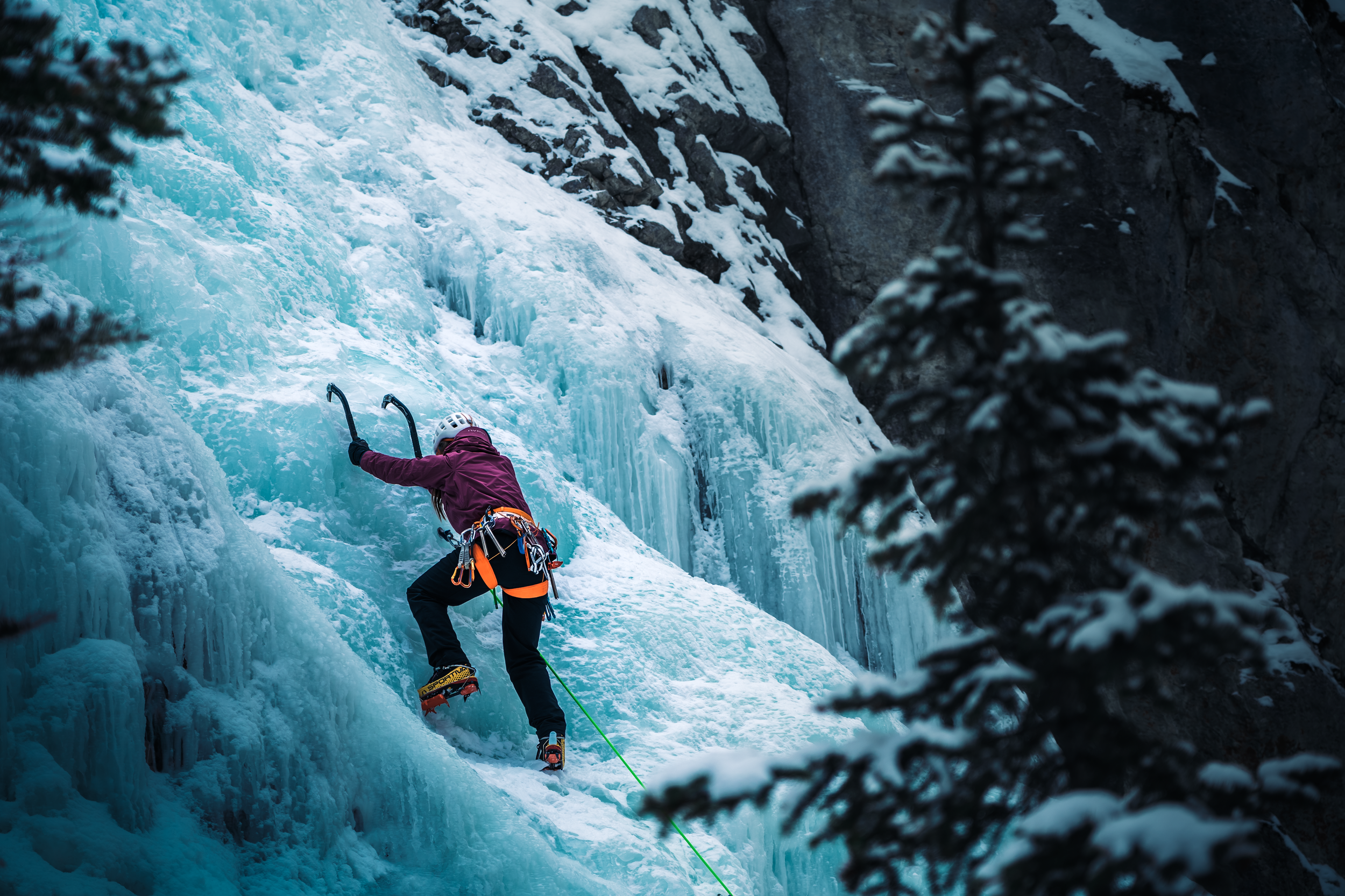
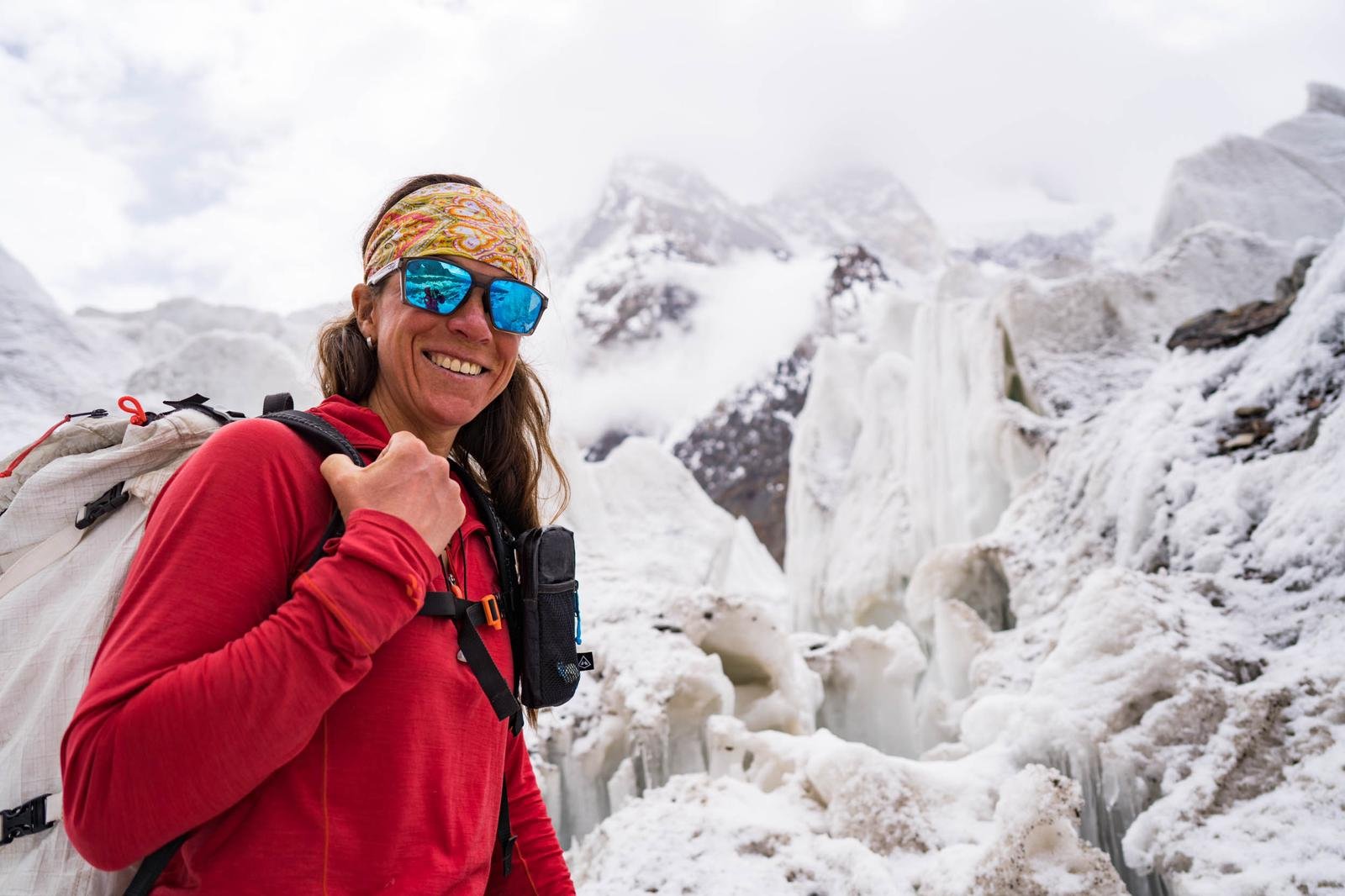
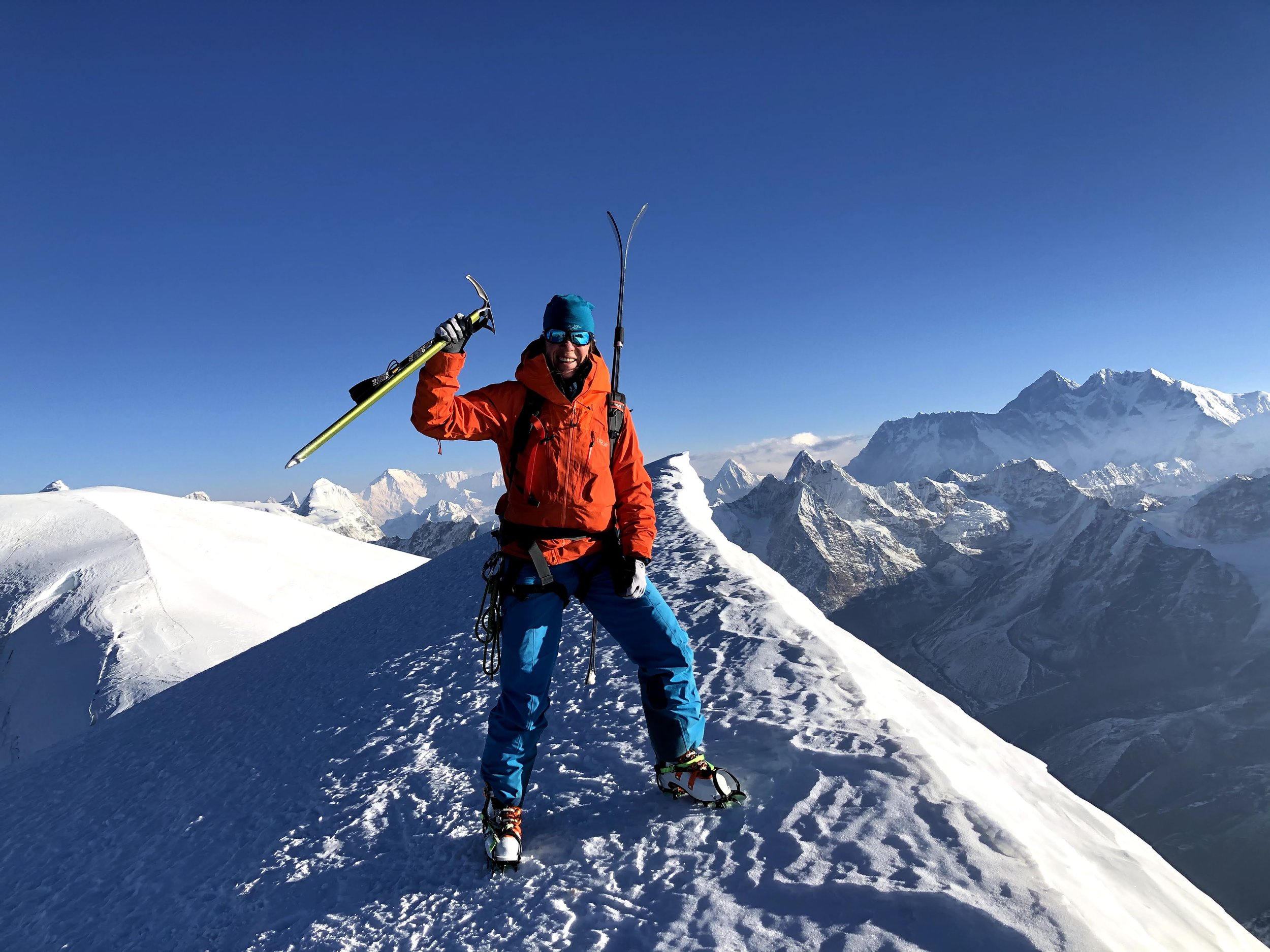
Moving Mountains: Perspective and Possibility from Brain Injury and Vision Loss to the World’s Highest Peaks

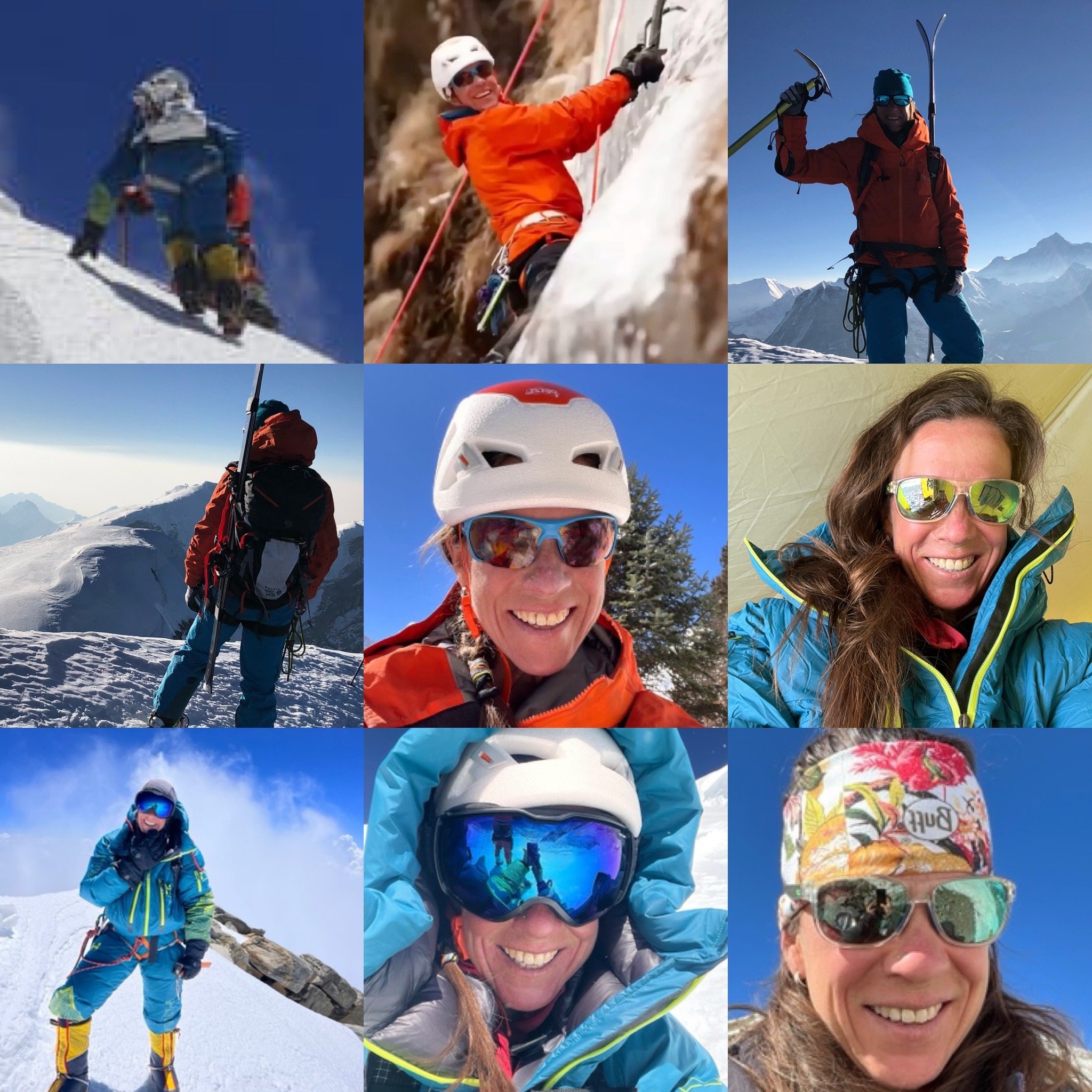
Read more about Jill Wheatley and her story on her website, Mountains of My Mind

Between intolerable headaches, cravings wavered between an intense desire to transcend deep in a timewarp to life the way it used to be and yearning for life to be no more.

From autonomous athlete, teacher, and coach racing bikes in the Alps to an ambulance racing down the Autobahn. From intensive care to wheelchair. From teetering footsteps to navigating hospital wings. From one diagnosis to countless others, in a dark crevasse, endless labels quickly led to lost hope for life.

The accident took 70% of my eyesight, my appetite, my memory, and every ounce of my optimism with it. Suggesting I would not survive without intensive medical intervention, navigating a trail back to life among Bavaria’s pristine peaks that had been a playground for my skis, bikes, snowshoes and running shoes was impossible to imagine.

Too weak to walk, I struggled physically, emotionally and, a nightmare patient, was not willing to comply with doctor’s orders. Unable to lift a leg to 90 degrees, stand in the shower, or ever be unsupervised, this horrifying mountain would never lead to a worthy view. Dependent on a gastro-jejunal feeding tube, I am left with another scar; a hole in my abdomen will forever remind me of what I have survived. As I became more stable, my cognitive deficits began to be addressed and, with that, harsh reality and frustration. I could see less than half of what I used to and felt like a different person with an inept ability to think, plan, concentrate, or remember. The capable, clear thinker I once was an utter stranger. This character, full of shame in her scars, was not welcome in my story; a story that felt fictitious, a horror in fact.

The surreal story, set throughout 7 hospitals in 3 countries for more than 26 months; filled with caregivers, hundreds of hands and hearts who believed something that I did not. They are the reason I can share this story of serendipity.

No driver’s license, no apartment, no residency, work permit or inner light. The only sign I could see pointed towards mountains. I chose mountains to shelter me from society, to be alone with mother nature in search of acceptance and purpose. What I found was perspective and possibility.

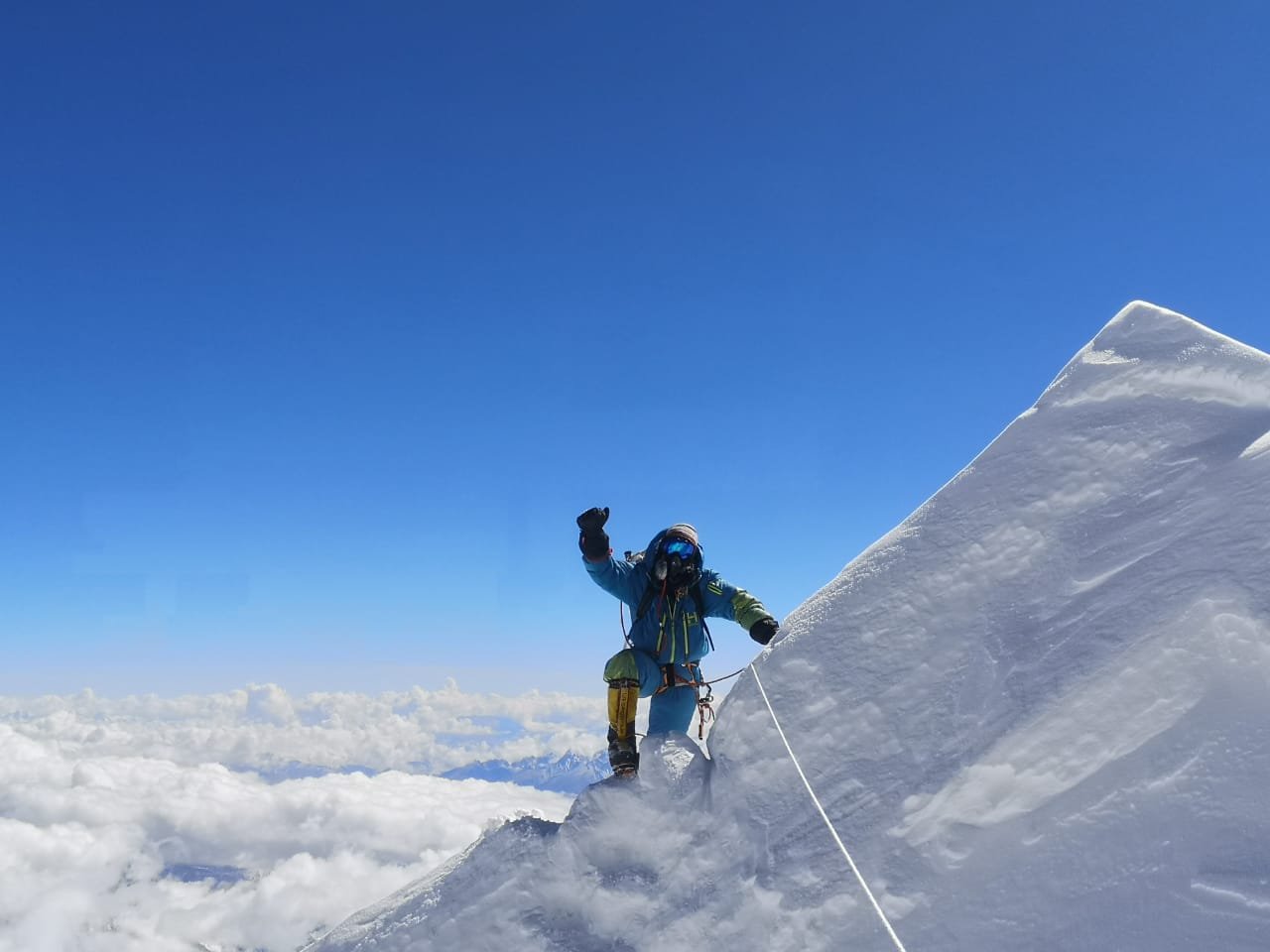
From the darkest crevasse – traumatic brain injury, to the world’s highest peaks, being an adaptive adventure athlete I choose to embrace the life I nearly lost. I choose to climb challenging mountains; I choose to challenge the mountains of my mind.

While climbing all of the world’s 14 peaks that stand above 8 000 m, I aim to break down the stigma associated with traumatic brain injury, vision loss, and eating disorders. Having summited 7 of our world’s highest Himals within the last year, half way through Vision 8000, though no longer a teacher in the literal sense, my choices allow others to learn the power of perspective and possibility.

When I am asked for “motivation/helpful tips that helped you during your recovery periods”:

I prefer to steer clear of the term recovery because to recover is to return to something and I feel that, thanks to the lessons of my Traumatic Brain Injury, I have learned and grown, I am a better person, more in touch with my values than I was at the time my life took a turbulent turn.

Accepting and adapting to the ways traumatic brain injury has changed my life is the most challenging mountain I have faced. Finding lessons has been a gift of TBI which I hope others struggling with adversity can connect to:

  1. Choice
    • Though I did not choose my TBI I have the opportunity to choose my response.
  2. The Power of Perspective
    • Shift from what I lost to what I have gained (e.g. new perspective of what is important, connection to my values, ability to ‘see’ how I can help others)
  3. Embracing Impermanence
    • Nothing stays the same forever (e.g. I was stuck and did not believe life with a ‘disability’ was worth fighting for)
    • Acceptance: Shift from ‘normal’, to shock and disbelief; not ready to feel better; now wanting to feel better)
  4. Authenticity
    • Letting go of “shoulds” and who society can lead us to believe who we are supposed to be
    • Secrets keep us sick (e.g. talk about struggles, not alone)
  5. Vulnerability
    • Courage to be seen creates connections: authenticity + vulnerability = connection

Values

Who I want to be, what I stand for and how I want to relate to the world. I aim to …

Health balance physical and mental health to thrive holistically.

Empathy understand and share the feelings of others.

Connection invite others in my days.

Communication listen first; share feelings openly.

Authenticity be true to myself.

Vulnerability speak my truth to help myself and others.

Humour see and appreciate the humorous side of life.

Mission

My mission is to release the shackles of stigma that traumatic brain injury, vision loss, eating disorders and posttraumatic stress disorder hold. Through mountain experiences, I develop acceptance and shine light on the power of perspective and possibility.

Vision

From surviving to thriving, I aim to

  • be completely present in the moment.
  • explore curiously in mountains and within myself.
  • shine light on the power of perspective.
  • move beyond barriers, adventuring in mountains.
  • use my vulnerability to connect and encourage.

Sparring with Life: The Fight Beyond Boxing

**Trigger Warning**

This piece mentions suicidal ideation. If you feel like you are in crisis and need someone to speak with, please call Talk Suicide Canada at 1.833.456.4566.

For SMS text support please text 45645.

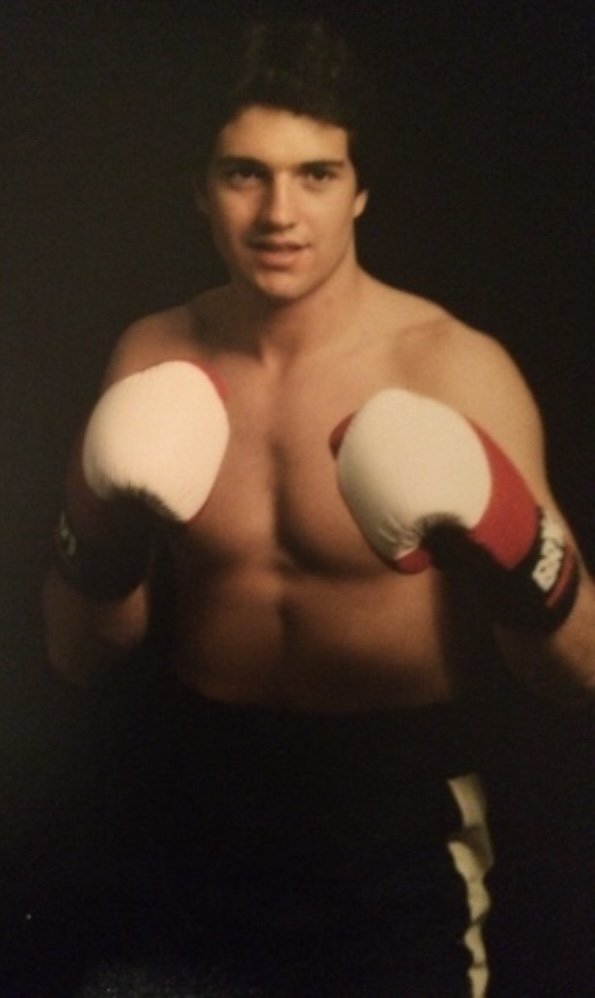
In my younger days, when I witnessed the world through youthful, impressionable eyes, I found sports to be a perfect outlet for me to fuel my competitive spirit, and to enjoy the riches of being physically fit, while being active. The first sport I tried was hockey and I found success in it. However, upon my family moving to a smaller community when I was 12 years old, and not having hockey as an option because of the move, my pursuit of an athletic outlet switched to basketball. After a few years of playing that, I realized I was interested in pursuing an individual sport; a sport where I alone determined my own successes and failures. Not long after that realization, and together with my attraction to the sport of boxing, most notably the incredible demands the sport has on its athletes to maintain a significantly high fitness level, I joined one of the two boxing clubs in the city I lived just outside of.

My introduction to boxing came with much motivation, and significant work ethic. After just my first workout at the boxing club’s facility, I realized I was a quick study, and I immersed myself into the training, deciding that I wanted to achieve success at boxing more than anything in the world. I trained and worked out every day, either at the club, or at home. Home was more for road work, and the club was where I would develop my boxing skills.

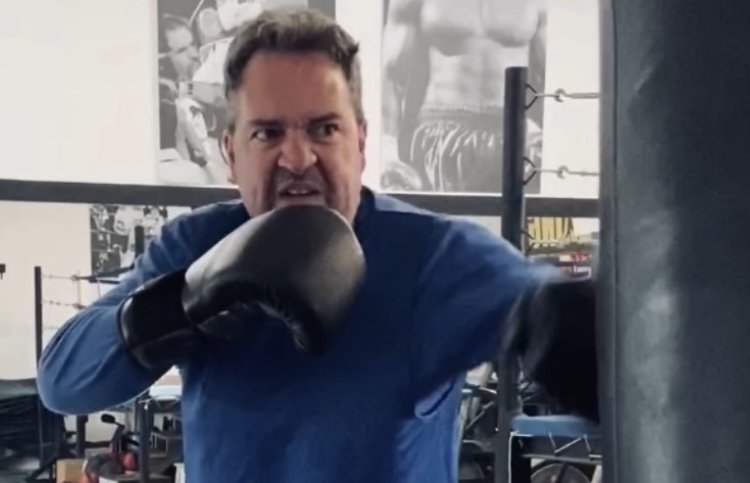
The coach at the club trained me by making me hit a heavy bag, participate in many hard sparring matches, along with skipping rope, and other exercises regularly, always with sweat pouring down my face. I worked hard, sometimes to the point of passing out, especially when I trained in the summer months, when the temperature outside was extraordinarily hot.

I always worked energetically because I wanted to win and wanted to be first, “That’s the most important thing,” the coach preached. I completely bought into his philosophy. The coach worked me harder and more vigorously until I thought I could not take it anymore. Then, he would remind me to appreciate the physical discomfort. “Be a little bit uncomfortable, at all times. When life becomes really rough, especially in the ring, you will already be familiar with that feeling,” being his mantra.

The message embedded in my training was to always go at it to the extreme. It is the price one pays for winning. Of course, there were days when I questioned what the point of it all was. Especially if all the training I was doing ended in a loss during competition, or if I did not get out of the sport what I was putting into it. I did feel that if I were in the best physical shape I could be in, the better the chance I had to win. This type of thinking also decreased the chance of getting an injury in a sport that was known for its very serious injuries. That was the way I thought back then.

The boxing coach was very dedicated and lived and breathed the sport 24 hours a day, 7 days a week. I found myself going to the club’s training facility on weekends and holidays too, as I knew he would help me train at any time. I was dead set on being in the absolute best shape I could be in, so that I would win and be invincible in doing so.

Ego played into my mindset as well. I wanted to be a hero. I wanted all the glory that goes with being at the pinnacle of a sport that only a few could master. I wanted to represent my club and city positively at tournaments, and my country at the Olympics and other international events, if I were so lucky to compete in them.

I won a lot of my bouts, but as my time competing went on, I lost enough, and injured myself ample times to have a more realistic approach to what my future in the sport would look like.

Admittedly, when I lost, I was upset and felt like I had been robbed of an opportunity for distinction. After a loss I was ashamed to be around other people, especially when the results were published in the local newspaper. Of course, the losses also included greater concern regarding the multiple and hard punches to the head I was receiving; made worse by the reminders given my seemingly endless suffering of headaches.

In a bout at a simple boxing card in a city not far from my club’s location, I also lost, but that loss was the worst one I ever experienced, and became the inciting incident which triggered the challenges I am dealing with now.

Two fighters were going at it. One, myself, had features covered in blood after receiving multiple shots to the face. My nose was broken, one of many broken noses I received in the years I spent as a boxer. Yet, on this day, I kept fighting, despite the blood and pain I was experiencing as a result of the shots to the head. My opponent, a kid slightly younger than myself, was working hard, with sweat and blood bathing the both of us. He was the aggressor, and countered my back-peddling boxing style. Move in, throw a punch, or combination of punches, then immediately move away for distance and safety, being my strategy. My opponent banged combinations onto my skull with great accuracy. My head jerked back as his punches to my frontal lobe landed multiple times. Although there was significant pain in receiving the blows, the punches were ignored, and I continued to compete, despite my getting hit frequently, and being various points behind on the judges’ scorecards.

Every now and then I would get in a shot to my opponent, which was what I was in there to do, however all that did was prolong the battle, and the hard punches I was receiving. He definitely got the better of me. The end came when he threw a quick and very solid straight right to my left temple, that I did not see. I felt a thud. I heard a full buzzing sound. I sensed my balance being very off. My body bounced off one of the three ropes surrounding the boxing ring, and I collapsed onto the canvas covering the flooring of the ring. I landed a few feet from my corner, which was a good place to end up, as it allowed my coach to very quickly assess the critical circumstance I found myself in. Thankfully, he did not hesitate when he threw in the towel, ending the ordeal.

As if I had been in a bad car accident, the hours and days after the knockout are still memorable and fresh in my mind. I was knocked out in the afternoon, on a very cold winter day in 1986. I do not recall being checked by a physician after the loss. I simply went into the dressing room, changed into street clothes, and then returned to the hotel that myself and the other boxers competing were staying at overnight.

My mind was distracted by a gash on my chin that was so deep that I could feel the bone. My chin had been sliced wide open after a clinch in the bout, where my opponent threw an uppercut on the break, which landed square on the bottom of my chin, and cut it. Along with the broken nose that I described earlier, I now had an open wound that needed stitching. Prior to me telling my coach that I should perhaps go to the hospital for what ended up being 18 stitches, I vomited in a plastic garbage bag in my hotel room. Once finished, I tied the end of it, and placed it outside the door of my room, and let it sit in the freezing cold, for it to be picked up eventually by housekeeping. I did not go back into my room as soon as I dropped the bag, however. Instead, I stood in the frigid air, taking it in as it helped soothe the sharpness of the pain inside my head.

My coach drove me to the hospital hours later, after the last bout of the boxing card had taken place. The doctor who attended to me simply stitched me up. There was no concern, and no discussion regarding the punches I received that made that mess, also causing obvious head trauma resulting in me being beaten unconscious. The priority was to fix the visible injury.

The boxing protocol after a knock out was a suspension of competitive bouts for a month, however my training regime was not affected. I could train normally, with intensity, and I could participate in hard sparring. In other words, the more things change, the more they stay the same.

Once home the next day, I picked up my training routine as if I had won the bout, and as if I had not even been touched, never mind knocked out cold. I trained despite the headaches and grogginess, which this time lasted a long while, and I was now dealing with another in a long list of concussions, as this was not my first, not by a long shot.

Now, 37 years later I have to deal with the after-effects of receiving way too many hard punches to the head, and not having someone suggest that I should take care of that before anything else.

At that time, I was mindful of the serious consequences of receiving concussions as a result of participating in a sport, but trained harder as a way of disguising or distracting the thought of it. Every fight I was in, whether I won or lost, dominated, or was being dominated, I received severe punches to the head, and when training and participating in hard sparring matches, received more blows, just days after being concussed in a different competitive bout. Now that I am older, the injuries I received then, and my ignorance and the ignorance of others who never even hinted at taking time away from competing and training, have created changes in my behaviour, which are very hard to control, if I am even aware that they need to be managed.

About four years ago, I was sitting at my desk in the school I taught at when I received an email from a car dealership. It was promoting a sports car that was a new addition to its fleet. It was a beautiful European inspired sedan; red, with an engine that could reach significant speed very quickly. I was smitten by it. As a young man I had a sports car but got rid of it because I felt I was not using it enough to warrant keeping it. Now though, it was very appealing. As my thoughts regarding owning it grew, the sooner I purchased it, the better. At no time did my financial situation ever play into my narrow thinking. If there was a way, and I knew there was a way, I would own it. I already had a vehicle, and a very good one at that, which had very few miles on it. But my impulse suggested I buy the sports sedan. I could not control the urge to purchase it. It was the focus of my existence.

The first moment I sat in the car at the dealership I knew it was essentially bought. When I went through the purchasing protocols, it did not matter what was being offered, I agreed to it. The car was priced at $50,000, but I did not even think about the costs for extras like taxes, protective coatings, or the interest rate that I agreed to, which was quite high. My mind was gripped on its purchase and what I would do with the car once I owned it. The price ended up coming in at around $70,000 when all was signed and the purchase completed.

The first few days of ownership were amazing. It was brand new and it was everything I dreamed of when owning a perfect vehicle. It felt so good in fact, that a week later I negotiated the purchase of an SUV for my girlfriend, who needed a change of vehicle as hers was getting older. Again, I was so locked into purchasing a brand-new vehicle for her, that I signed and purchased all the extras offered by the dealership. The end result was another vehicle, this time costing around $60,000.

At that time as well, my daughter was about to turn 16 years old, and I had spent considerable time teaching her how to drive. She was very motivated to become a good driver and she passed her driver’s test on the first try. Now that she was legal to operate a motor vehicle, I again took the opportunity to buy her a car, her first. With that one, I spent $15,000. Again, without any concern for the finances involved.

In one fell swoop I had spent an incredible $145,000 on three vehicles, two of which I gave to other people to drive. I would simply pay the loans, registration, and the insurance on them.

A month later I noticed that my bank account was dwindling at an alarming rate. At first, I was confused as to why such a flush of funds was happening. That is when I finally realized what I had done, and that is when my already problematic anxiety and depression shifted up a notch, and a realization that the severe blows that I had received during my boxing career were affecting my rational ability to think things out properly.

In 2015 I experienced a significant mental compromise, which changed the trajectory of my life, that I am constantly adapting to, even up to this minute. However, the years before the mental compromise were extremely challenging as well. During my post-secondary education, I learned to focus and work hard to overcome deficiencies in my ability to remember things being taught. I had to really concentrate on the materials being instructed in order to retain the information. I was never a good test-taker during that time, as trying to remember significant volumes of information in the short-term was very challenging. However, I was able to successfully pass everything and achieve good grades, but the work to achieve that was significant. The work ethic that I placed onto myself while boxing continued into my academic efforts.

My first university degree was in Theatre, where I somehow managed to memorize significant amounts of dialogue and blocking schemes while participating in many theatrical productions. I challenged myself to master and deliver the performances by keeping the script close by, writing notes on every page of it, and reading it over constantly in order to memorize, capture, internalize and maintain all the information from it, and perform it to audiences, without it in my hand, night after night. Moments when I was not on stage though, I was in the dressing room going over my script, so I would not forget anything.

As mentioned, in 2015, after working in the challenging and stressful role of a school teacher for a number of years, and after living through a change in life circumstance, I had a compromise that was significant and required eventual hospitalization, as well as a few medical leaves of absences from my workplace in the years since. Unfortunately, the medical leaves resulted in much stigma placed upon my capacity to live a normal life, even though I had a celebrated career up to that point, and great relationships supplementing it. Stigma only added to the significant challenges while coping with, and overcoming severe bouts of anxiety and depression; circumstances that no one deserves to be burdened with.

Now, I see my psychiatrist and psychologist, along with other medical supports, regularly. Obviously, all are well aware that I impulsively purchased vehicles in the $145,000 range.

Unfortunately, this amount was and continues to be way more than I can afford, and after the monthly payments have cleared my bank account, I do not have enough money to live off. I do not know why I purchased the vehicles, as my brain impulsively found some kind of reasonable logic in the decision-making, which caused me to sign all the documentation needed to make the purchases, with three different banks lending me the money.

There really is not much a medical practitioner can do to help that specific situation, other than to promote the idea of getting rid of the debt in some way. That in itself is a lot harder than it sounds, and a challenge that I am still trying to find a path to. In the time spent once I realized what I had done, getting rid of the financial burden, became an impossible task.

I am constantly investigating ways to rid myself of the enormous debt that I accumulated. Unfortunately, without any luck. Fixing mistakes can be tricky, especially when having to cope with anxiety and depression on top of the problem at hand. Everything I did to try and correct the mistake reminded me of the mistake. When trying to correct the misstep, I often found myself encouraged by possible situational conditions that could resolve the issue, only for it to be slammed back into my face by the source of the proposed resolution, shortly thereafter.

I also became acutely sensitive to criticism, something that I had managed quite well, given that I was a teacher, and susceptible to criticisms on a daily basis. I found myself secretly trying to correct the mistake by seeking as little help as I could, as I felt ashamed that an impulse to spend an enormous amount of money, led me into making my battle with mental illness worse than it already was. I canceled my Facebook and Instagram accounts, because people are rude on them, and when they try to help, they simply suggest useless, blunt, off-the-cuff statements that lack any kind of detail or knowledge.

I continue to struggle with memory issues. They have gotten worse. In the last few years I have to write everything down, then take screen-shots of the written note, along with placing important, upcoming items into my phone’s calendar, or I will forget them within minutes. The years after 2015 when teaching, I would go through stacks and stacks of sticky notes, writing every little task down and pasting them onto my desk, as reminders that I needed to complete them. I would even write on a sticky note, “Get more sticky notes.”

I used to be a huge movie connoisseur. A few years ago, I built a media room in my house as an example of my need to consume as many films as I possibly could, in the comfort of my own home. Now though, I cannot make it through even a 90-minute movie in one sitting. I have around six movies and I currently have two books in queue that I have to watch or read, but in increments of 20-minutes here and 20-minutes there, as my concentration on one subject matter for a sustained amount of time has seen a decline.

My girlfriend and daughter continue to drive and take care of the vehicles I purchased them, but the red sports sedan I bought sits in a garage most of the time. I find that when I operate it, I become paranoid that it will get damaged, or it will accumulate too many miles on it for it to have any value, if someone were interested in purchasing it from me at some point in the future.

After I described to my psychiatrist my terrible error in judgment, and the impulsivity that I acted on, my thought-process shifted to possible consequences of such a massive purchase by convincing myself that eventually when all the money I have, had been expended, that I would lose not only the vehicles to the bank, but my house as well, and I would end up homeless and living on the street. I began rationalizing that thinking and imagined myself living in that condition. I would observe homeless people in my neighbourhood, and their daily routines. They seemed to move about, not going too far away from a general location within a few city blocks. They appeared to wander, and then stop and rest for a while. Eventually, they would get up and move about again. They would repeat this pattern all the time, occasionally stopping to chat with others experiencing the same circumstance. Interestingly, as a basic human trait, the need to have personal items remained, so they would gather things and place them either in bags, or in shopping carts, and then drag them along as they roamed about on a typical day. I envisioned which part of the city I would take over, and imagined myself collecting bottles to take to a depot for a few dollars here and there.

After rationalizing my future living conditions and the need to be resilient when occupying that situation, along with convincing myself that it would eventually be a reality, I would experience more periods of imaginative thinking, where I envisioned how uncomfortable the thought of being homeless would be, and reassured myself that the better choice would be to simply die, and not experience the struggles and the unbearable lifestyle homelessness would bring. Death seemed made up of a lot of nothingness; which was a whole lot better than suffering in filth and simply existing somewhere outside.

Lately though, with my seeking out charitable organizations and speaking to many of their professional personnel who understand the plight of those who suffer with mental illness, I have gotten more motivated to find ways to feel better, and learn to live with a disability. I have set aside this year to utilize as many strategies that I can, to feel healthier. I am already on my third medication in order to try to find the right med and correct dosage for my chronic anxiety and depression, as I will be a consumer of medication for the rest of my life, and have gotten acquainted with the side effects that accompany it. One of the more concerning is that of weight gain. As a boxer, my priority, and something I did well at, was to always maintain and make weight prior to a bout. Now, I find it very hard to control. However, if I can combine the correct med, regardless of its side effects, along with having the proper support infrastructure in place, I will definitely be in the right spot, going the appropriate direction.

I continue to work alongside medical supports to help with the anxiety, depression, panic, paranoia, suicidal ideation, and numerous negative thoughts that placed me in hospital wards, and have caused me to utilize extended medical leaves to battle the demons. It is helpful having measures in place to recover properly with time off from my workplace, but my salary has now been reduced to around 75% of what it normally would be. This brings about even more challenges, and tests my ability to adapt to yet another condition, when coping with a medical issue.

I still get headaches, and new aliments creep in once in a while too. I had to combat a bout of Vertigo a few months ago. That was uncomfortable. It felt like I had been punched in the head, yet again. When I attempted to walk, I would stagger to my destination. I spoke to my psychiatrist about it, but luckily it ended up going away naturally a couple of weeks upon its arrival, without the need for any formal medical practice to get rid of it.

Right now, I find that I live within the cliched motto, ‘One Day At A Time’. I cannot think too far into the future because that will create a lot of chaos in my head, and I will jump to conclusions on what could possibly happen to me. It does help to live hour to hour, and day to day, instead of week to week, and month to month. I do what I can to survive and am curious about the world, which helps me live to discover the next day. I live alone so I can easily create calmness in my home. I also attempt to do at least one practical thing every day, whether that be writing, reaching out and meeting with one of my many supports, or simply going for a walk in the neighbourhood I reside in. I also leave myself open to other possibilities, such as group support experiences, which I know would be beneficial.

The many trophies and medals I won when I competed in boxing can now be found in a tote bin, stored under my basement staircase. I never pull them out to look at them. However, my memories of the time I spent competing in the sport never go away. Especially the memories of the many severe blows to the head I received while training and competing.

Perhaps it is my unequivocal trust in the medical profession, and my support of all processes when it comes to my health, that I now offer myself as a “guinea pig” of sorts when it comes to my own medical circumstance, and my need to help others who suffer the same plight. Recently, I pledged to donate my brain to the Concussion Legacy Foundation in their request for a practical means in which to support their research efforts. I find that sort of action on my part as being a logical next step in my experiences as a human being; by medically helping other people in any capacity that I can.

A few years ago, I decided to sign a donor card that is now indicated on my driver’s license. I appreciate words like “generous” and “majestic” that many use when describing donor intent. When I donated my brain and received the proper notification regarding the steps needed to officially do so, I felt overwhelmingly happy by what I am committing to do. For a moment, the constant anxiety and overwhelming depression that is a normal feeling for me presently, went away, if only fleeting, but it went away. I felt the need to celebrate, however my celebration stayed contained in my mind, which was now at ease, if only for a brief period of time. I was able to glow in the prospect of helping the medical world continue to discover more about the brain’s capacity, and what happens to it as a result of injury and continuous trauma.

Still, I continue to press on despite the challenges handed me. I am looking at a career change as I have a lot to offer professionally. My medical supports have all suggested that I switch careers, given the significant stress and chaos that today’s typical classroom teaching environment consists of. I have set forth a path to discover potential new career options where I can utilize the deep skill set that I developed as an educator. Currently, in my motivation to stay productive, I write daily and have volunteered to write for charitable organizations, along with maintaining a personal blog. I find writing to be a very therapeutic endeavour.

Despite the issues I am dealt, I stand pat on the idea of hope. I hope that someone benefits from my sharing of my life experiences, and finds value in what I bring as a person who epitomizes work ethic, tried his best, adapted, made mistakes, suffered, but continues to persevere.

I am looking to connect with others, especially athletes and former athletes, to support one another. If you would like to get in touch, please reach out to [email protected] and they will be able to facilitate a connection via email.

Moving Forward in the Face of Tragedy

**Trigger Warning**

This piece mentions suicide. If you feel like you are in crisis and need someone to speak with, please call the Suicide Crisis HelpLine at 988.

Ryan was my first child, born on March 31, 2003.

I had waited 35 years to have him after I met my husband Terry when I was 30. As a Police Detective specialising in Child Protection, he sure was a blessing. Terry was a renowned Osteopath – treating patients all over the world.

Ryan was born into a loving healthy family. We lived in a beautiful home looking at the Ocean. His nan and pop were just 600 metres from us and as the boys grew, they used to ride their little bikes there for french toast for breakfast. It was one of Ryan’s favourite things to do.

Ryan has a brother, Oskar, who is 21 months his junior. He is now 19 and without his best friend and brother. Right now, he doesn’t know how to articulate what he is feeling. He is angry, and lonely and only just the other day admitted to these feelings of missing his brother.

Ryan was a sporty kid. It didn’t help that his mum and dad came from a sporting background. I was a triathlon coach and just loved taking the boys swimming, running and riding with me and the squad. I remember all too well swimming alongside him stroke for stroke and him smiling at me as we swam. It was a beautiful moment. I am grateful, so very grateful.

It was a healthy, good life and he had a wonderful tribe of people around him.

Ryan wanted to play rugby, not because he really wanted to, but because all of his mates were. To fit in, he felt he needed to play.

I was reluctant. Very reluctant. He was in sixth grade at school and training equated to two afternoons a week. It was very basic and skills on tackling were not a priority. Ryan was a tall skinny boy being a triathlete. He wasn’t built to play rugby or football. In one of his first finals matches in Rugby, I recall him being tackled by a much bigger boy. I still recall this day.

The crowd, the sun, the fresh air. It was a big crowd. The match was close.

Ryan got the ball and was running on the wing when a big boy came from the middle and tackled him. Suddenly, he was smashed into the hard ground. There was a moment of silence. The crowd, who all had sons on the field, stood and let out an audible gasp. When he got tackled, there was silence. He should have been taken off the field. In hindsight, I should have run on and got him off knowing what I know now. A mother lacking the knowledge to protect her son.

The difference between him and the boy who tackled Ryan was so very obvious, probably 10 to 15 kilograms. Some schools were known to scout for certain boys of size and stature to inflict as much damage as possible on the opposition. It worked on this occasion.

I recall him coming off the field that day, over 11 years ago, and him telling me his head hurt. To think of that now and what I should have done breaks my heart. His little body standing in front of me holding his head saying, “Mum my head,”.

Ryan’s next concussion was when he was playing basketball and the ball hit him in the head and knocked him out. He fell to the ground and lost consciousness. The school put him in the sick bay and let him rest and that was the only protocol at that time.

Ryan was a champion swimmer and runner. He was a naturally gifted athlete with size 11 feet by the time he was 13. He was wearing a men’s size small shirt. He had the most amazing big blue eyes, they sparkled, and his smile would light up a room. He was cheeky by nature and just a beautiful soul.

He and his brother went to boarding school for their senior schooling, like their dad, and became involved in Rugby. Ryan didn’t want to be involved, but being in an all-boys school, he felt he had to be part of a team. He wasn’t that kid, he was tall and strong, but oh so very soft-hearted.

He was away at a game, and I received a call from the school. They told me I had better come and get him as he had had another concussion and was a bit “doughy.” I will never forget that day, the day I picked him up from school, he was tired and wanted to sleep. He was usually a chatterbox full of good humour. Not on this day, He was on the precipice of 16, he was tall and so very handsome. I later found out he had had two concussions in one game, the initial concussion where he was left on the field, and the second concussion shortly after, where he was knocked out cold.

My husband Terry was away in the USA for work, I called him and told him what had happened. He said to keep an eye on him, which I did. On that night, at 7 p.m., I saw there was swelling under his left eye. I took him straight to the hospital. At the hospital, they examined him but wanted me to drive him to another hospital to treat pediatric patients.

I refused, worried he could have a brain bleed. They refused to do a CT due to his age and there was no specialist available until I demanded it. Eventually, he was examined and found to have a moderate concussion. He was sent home in the early hours of the morning with me where I slept in the room next to his to be close to him.

It was from this point on, I liken it to me treading water, holding him above my head, trying to save him. He went back to school gradually.

He never recovered.

He was never the same. He couldn’t cope with the isolation of not playing football and being part of a team. He had issues being able to focus and was extremely emotional. He went from not wearing glasses to needing glasses. Some months later he left school, and we brought him home. He was struggling, I saw him go from an outgoing young man to withdrawn, struggling to sleep, moody and depressed. On reflection, there was no doubt he was suffering from Post-Concussion Syndrome.

As a mother, I felt he was lost. We spent so much time trying to help him. No one would listen to us.

Over the next two years he started to become impulsive. He was emotive and self-medicating. He attempted suicide on the 26th of February, 2020.

His note read, “To my loving family, I love you all so much, but I can’t do this anymore, I haven’t been the same since the head knocks. I’m sorry.”

Luckily on this occasion, we found him.

We had him examined by a specialist brain clinic and they summed up that he had a MODERATE brain injury. Not mild, moderate. There were another nine suicide attempts, sleepless nights, impulsive, aggressive behaviour, self-medication and erratic behaviour before he left us.

And so on May 27, 2021, just three weeks after the death of his father, my husband, at age 18, my beautiful boy left us. He was just two months into his 18th year of life.

His struggle was just too much. In one of his letters, he wrote, “My head’s never quite working right these past few years after the injury. I have noticed the changes in who I am and it’s heartbreaking for me knowing that’s not who I am.”

How is a concussion worth a life so young?

If there is one thing I want to get across to parents of children playing sports it is this:

Concussions are real. It is a brain injury and if treated correctly 80% of people suffering can recover, but only when we are serious and understand concussions and what they are. It doesn’t just equate to a direct head knock. It can be a shoulder charge, it can be a landing where the brain is moved with such dramatic force to create movement in the skull. It should be treated as a concussion.

I have lost my son. My heart is eternally broken and if by doing so I can make just one parent realise that we need to take concussions seriously then that’s one person we can save.

I am not suggesting we shouldn’t play sports, I am saying please be educated about concussions, their effects, treatment, the seriousness of it and the long-term effects.